
Last updated November 25, 2026
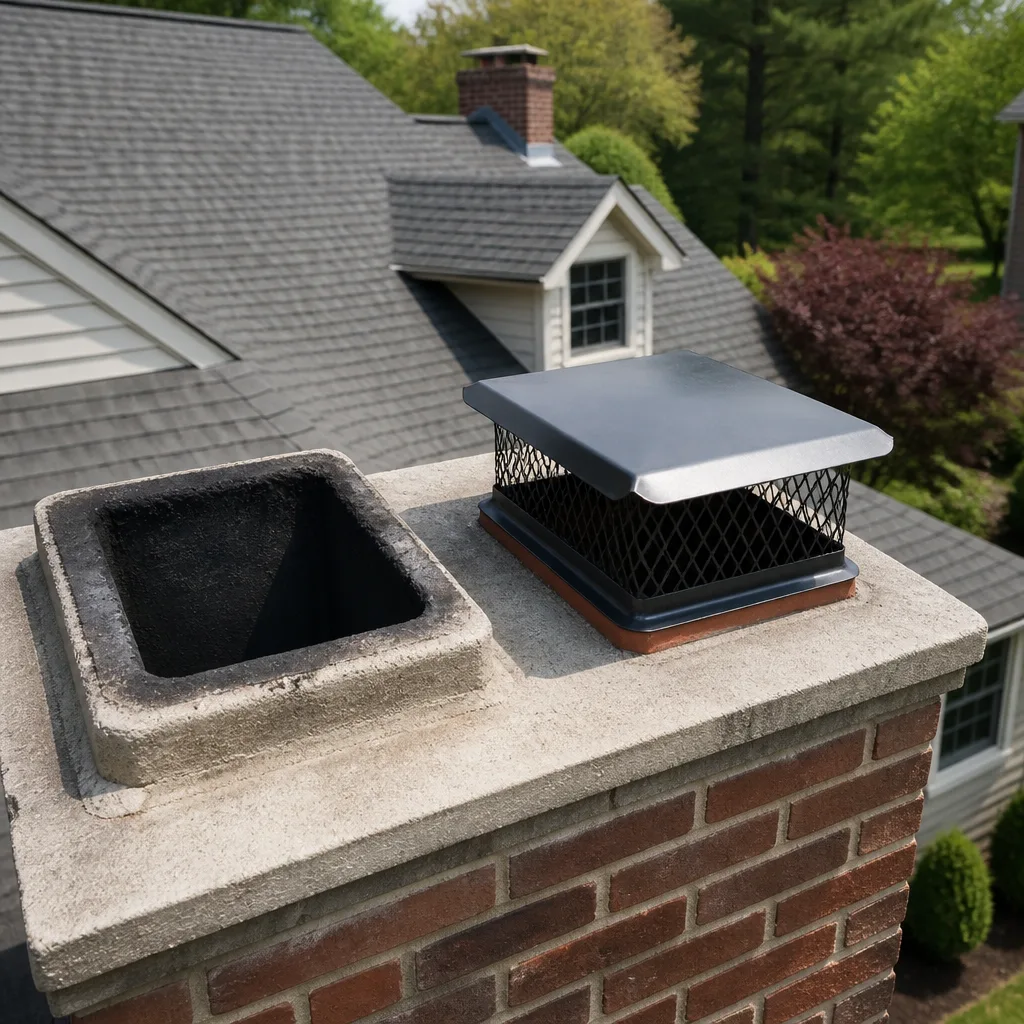 Sweep & inspection
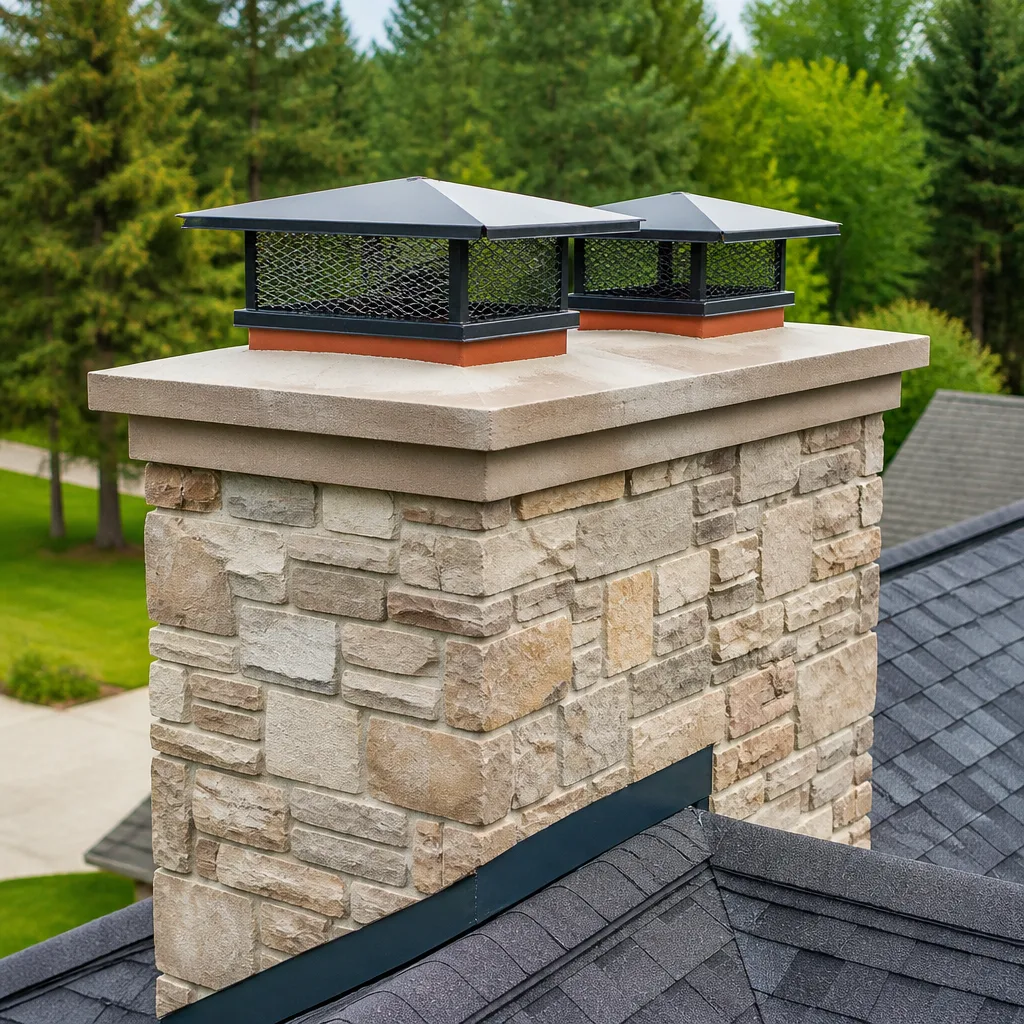 Caps & crowns
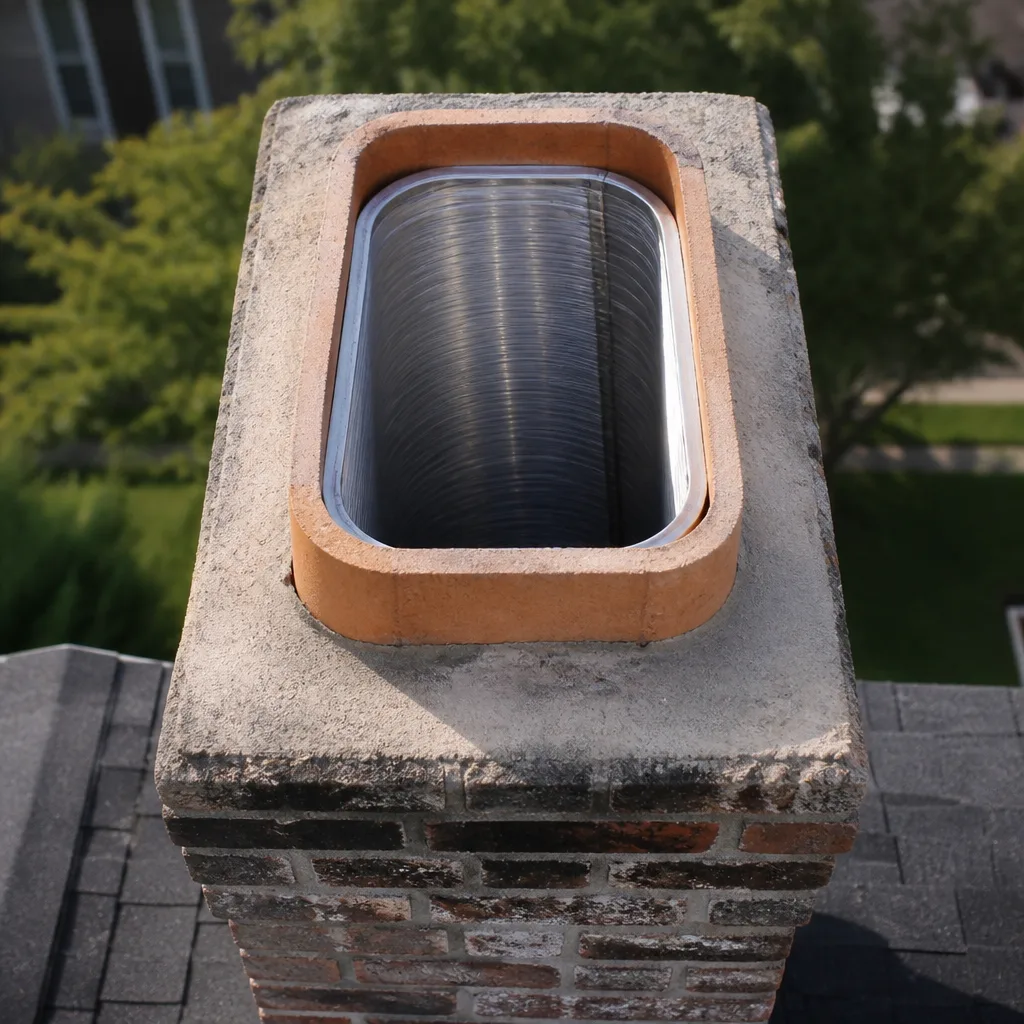 Flue relining
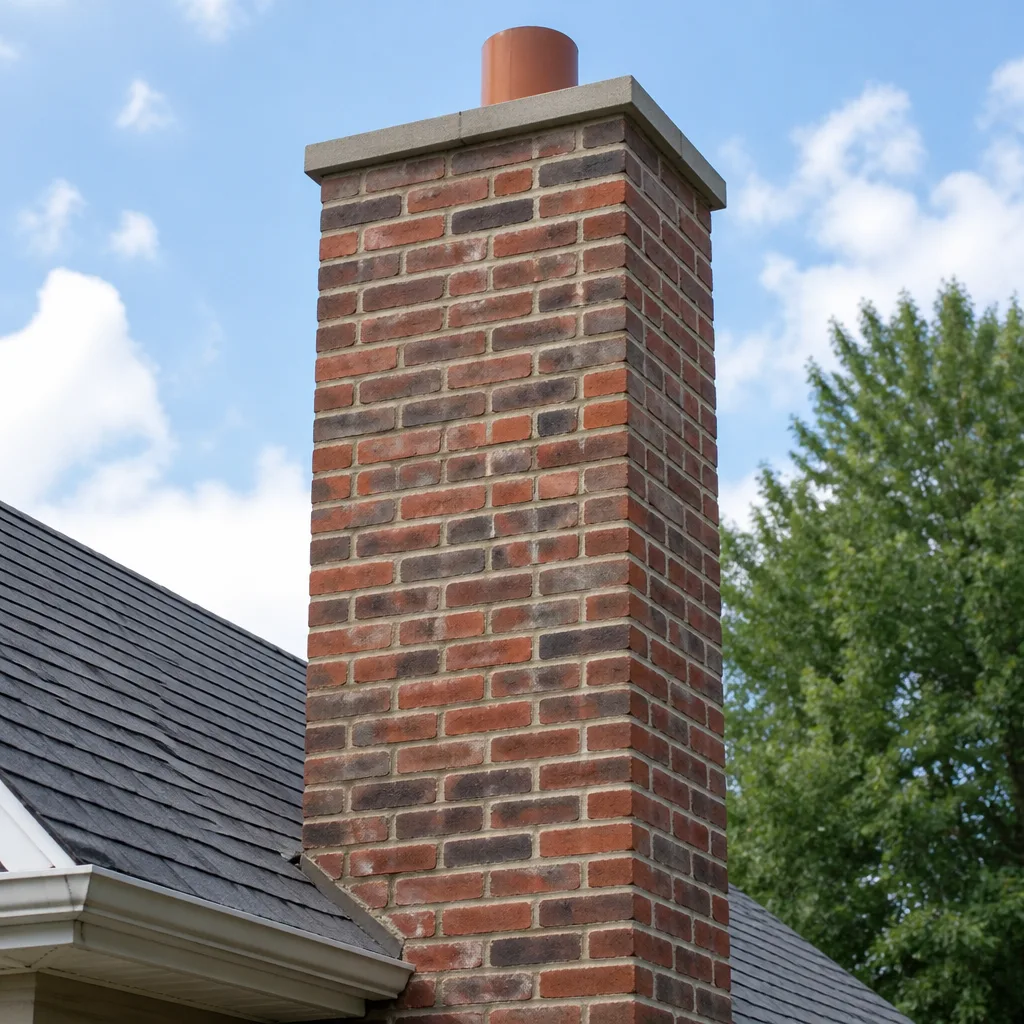 Masonry repair
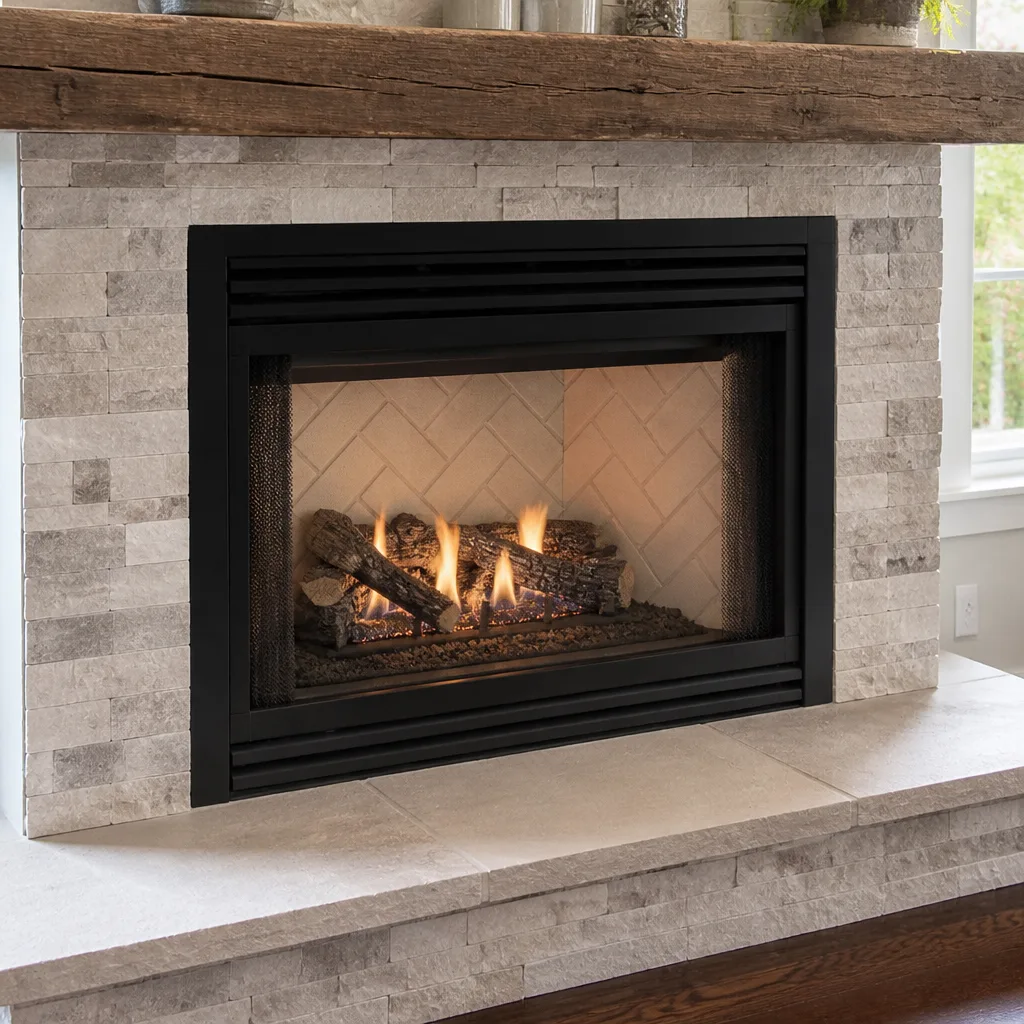 Gas fireplace service
Level 1 sweep and inspection to the NFPA 211 annual standard - flue, crown, cap, and flashing checked and photographed
Chimney sweep logs do not sweep chimneys. They loosen some creosote - which then falls where a brush and vacuum still have to collect it.
The Complete Guide to Chimney Cleaning in Stanton
Most Stanton homeowners light fewer than fifteen fires a year. That sounds like the safest possible chimney habit, and it’s the opposite. Occasional burning, the kind where a fire gets lit for a cool December evening and then sits cold for three weeks, is exactly the pattern that builds sticky, glazed creosote. A high-frequency burner in a cold climate runs hot fires that dry the flue and leave light, brushable soot. A Stanton fire often smolders in a cool flue, and the residue that forms bakes on hard. This guide walks through what actually accumulates in a Stanton chimney, what a real sweep involves from start to finish, and how to tell which inspection your home needs.
Quick Answer
Chimney cleaning in Stanton is an annual service for most wood-burning homes and a periodic one for gas fireplaces, and it involves far more than running a brush up the flue. A professional sweep includes a visual inspection, a camera check of the flue interior, removal of soot and creosote stage by stage, and a final look at the smoke chamber, damper, and cap. Because Stanton’s mild winters produce inconsistent, low-heat burning, the creosote here tends toward dense and glazed rather than light and powdery, so the sweep sometimes has to be paired with chemical treatment or resurfacing before the flue is clean.
Styles & brands we work with
- Sweep & inspection
- Caps & crowns
- Flue relining
- Masonry repair
- Gas fireplace service
Table of Contents
- Why Chimney Cleaning in Stanton Is Different
- What Creosote Looks Like in a Mild-Climate Chimney
- What Happens During a Professional Sweep
- Gas Fireplaces in Stanton Still Need Cleaning
- Level 1, 2, and 3 Inspections: Which One You Need
- How Stanton’s Housing Stock Affects Cleaning Frequency
- What Chimney Cleaning Typically Costs in Stanton
- Common Mistakes to Avoid
Why Chimney Cleaning in Stanton Is Different
Chimney cleaning in Stanton is shaped by a climate and a burning habit that national chimney guides rarely account for. Most of the chimney advice you’ll find online comes from cold-climate markets where a wood stove runs daily from October through March. In those homes, the firebox stays hot, the flue stays warm, and creosote forms thin and dry. A Stanton home runs the opposite pattern: a few fires during the cooler months, long gaps where the flue stays cold, and fires that often burn down to embers overnight without ever reaching the temperatures needed to burn off residue.
What that produces is a specific creosote profile. When a wood fire cools before the flue has fully warmed, the smoke condenses inside the chimney and leaves a tacky layer on the flue wall. Burn again on top of that layer and it sets harder. Repeat over a full season and you get glazed creosote, a dark, glossy, tar-like coating that brushes off only with difficulty and sometimes not at all. That sticky layer is what makes a Stanton sweep more involved than the twenty-minute brush-out some homeowners expect.
Three local conditions drive the pattern we see most in Stanton chimneys:
- Intermittent use. Fires separated by weeks mean the flue cools fully between burns, and each cold start deposits fresh condensation on whatever was already there.
- Under-fired burns. Many Stanton homeowners run fires with the damper partly closed to slow the burn, which keeps heat in the room but pushes smoke up a cooler flue.
- Wood moisture. Firewood that hasn’t had time to fully dry through a Southern California summer burns cooler and smokes more, and wet wood accelerates creosote accumulation far faster than dry.
None of this means Stanton chimneys are dangerous by default. It means the cleaning schedule and the cleaning method need to match the actual burning pattern, not the pattern in a climate that gets a real winter. Our technicians have up to 14 years of experience, and that experience includes a lot of Southern California fireplaces where the creosote was denser and stickier than a standard visual inspection would suggest.
What Creosote Looks Like in a Mild-Climate Chimney
Creosote forms in three recognized stages, and understanding them is the difference between a routine sweep and a repair conversation. Stage 1 is flaky soot that brushes off easily. Stage 2 is a sticky, tar-like layer that requires both brushes and chemical treatment to remove. Stage 3 is glazed, hardened creosote that has essentially bonded to the flue wall and sometimes needs ceramic resurfacing rather than a brush. National guides put most attention on Stage 1 because that’s what high-frequency burners produce. In Stanton, Stage 2 shows up quickly and Stage 3 shows up more often than the average homeowner expects.
Here’s why. The key variable in creosote formation isn’t how much wood you burn, it’s the temperature of the flue when smoke cools. A continuous burner keeps the flue hot enough that most of the vapor burns off. An intermittent burner never gets the flue hot enough to burn off anything. The smoke cools against a cold flue, condenses, and sets. The same wood, in two different burning patterns, produces two completely different residues.
You can estimate what stage is likely in your chimney by the consistency of what comes off when a sweep runs the first brush. Stage 1 brushes out as soot and light flakes. Stage 2 comes off as visible tar flakes, or clings and smears. Stage 3 is a hard, shiny glaze that doesn’t respond to a standard chimney brush and has to be mechanically removed or chemically softened and then resurfaced. When we find Stage 3 glazing, we’re the ones who tell the homeowner honestly, because there’s no way to hide it. The camera shows exactly what’s inside the flue, and the homeowner gets to look at the same image the technician does.
That is also where repair-first products matter. HeatShield, a ceramic flue resurfacing system, handles Stage 3 damage and minor flue deterioration by resurfacing the flue interior rather than removing it and starting over. A DuraFlex stainless-steel flexible liner is the alternative when the flue itself has failed, cracked, or is too damaged to resurface. We discuss both when the flue condition calls for one, and skip straight past both when it doesn’t. A lightly sooted flue in a Stanton home is sometimes just a sweep, and nothing more.
What Happens During a Professional Sweep
A professional chimney sweep in Stanton follows a sequence, and knowing the sequence is the practical difference between a careful job and a fast one. Any sweep, ours or anyone else’s, should walk through most or all of these steps. If a sweep happens in under fifteen minutes with no camera check, the flue interior wasn’t actually examined, and the homeowner is paying for the exterior only.
Here is the sweep sequence from start to finish:
- Pre-work inspection. Before any tools come out, we check the firebox, damper, and the outside of the chimney. This is where obvious cracks, water staining, or cap damage get caught before the sweep begins.
- Floor and hearth protection. Drop cloths and a sealed containment sheet around the fireplace opening keep soot out of the room. Any sweep that doesn’t do this is a sweep that leaves a mess behind.
- Camera inspection of the flue. A flue camera goes down the length of the chimney and captures the interior on video. This is the step that identifies creosote stage, liner condition, and any cracks or offsets the eye can’t see from below.
- Flue brushing. A rotary brush matched to the flue size and material clears soot and loose creosote from the full length of the flue. On hard glazed creosote, a standard brush alone won’t remove it, so chemical treatment is applied and the flue is re-brushed.
- Smoke chamber and damper brushing. The smoke chamber above the damper is the most overlooked part of most chimneys, and it’s also where creosote accumulates heavily in a Slow-burning Stanton fireplace. We brush it by hand.
- Cap and crown check. The cap and crown are the two most common points of water intrusion into a chimney, and a sweep is the natural moment to check both.
- Post-sweep camera verification. After brushing, the camera goes back down to confirm the flue is clear. This is where we photograph the result and share it with the homeowner.
The camera images and the post-sweep verification are what make the difference between a recommendation and a guess. If a technician suggests liner work after the sweep, the images should show the reason. If the images show a healthy flue, the recommendation is nothing. That’s the standard we hold to. Nothing gets recommended that the homeowner can’t see for themselves.
Gas Fireplaces in Stanton Still Need Cleaning
Gas fireplaces in Stanton need cleaning too, though for different reasons than wood. A gas fireplace produces almost no soot, so a homeowner reasonably assumes the chimney never needs attention. That assumption skips the actual risks. Gas appliance chimneys are vulnerable to moisture, debris, and small-animal intrusion, and none of those have anything to do with combustion residue.
What typically accumulates in a gas fireplace chimney:
- Moisture. Gas combustion produces water vapor, and a cold flue in a mild climate doesn’t always vent that moisture efficiently. That vapor condenses inside the flue and promotes rust on metal liners and deterioration in masonry.
- Debris. Leaves, dust, and small twigs find their way past a loose or damaged cap. Over a season, that accumulates into a blockage that restricts the draft.
- Nesting. Birds and small animals can enter a flue that lacks a proper cap. A starling nest in a gas flue is a real draft problem and a real fire hazard, because the nesting material is sitting right in the path of the exhaust.
- Spider webs and dust. A small amount, generally, but enough to affect venting when the flue has been idle for months.
Gas fireplaces should be inspected and the flue checked at least once a year, the same as wood. The scope of the work is different, though. A gas flue check is usually a visual inspection plus a mechanical block. The masonry doesn’t get brushed, because there’s nothing to brush. What we look for is the liner condition, the cap, the termination fitting, and the draft. Components matter here, which is why we source gas venting and termination details through supply chains like Olympia Chimney and Copperfield rather than whatever’s on the shelf at a hardware store. The fitting has to actually match the appliance and the venting configuration.
Carbon monoxide is the reason to take gas fireplace venting seriously. A blocked or deteriorated gas vent can allow exhaust to enter the home instead of the outdoors. Any chimney that serves a gas appliance should be verified clear and sealed before the fireplace is used again after a long idle period. A sweep is a low-cost way to confirm that before the season starts.
Level 1, 2, and 3 Inspections: Which One You Need
A chimney inspection in Stanton is classified by one of three standard levels, and the correct level depends on what’s being done and what’s changed since the last inspection. Most homeowners only ever need Level 1 or Level 2, but knowing the difference makes the invoice easier to read and the recommendation easier to question.
Here’s how the three levels break down:
- Level 1 – Visual inspection. A visual check of the readily accessible portions of the chimney, firebox, and venting system, without tools that require opening or disassembly. This is the annual before-burning-season inspection for a chimney with no known problems and no changes since last year.
- Level 2 – Camera and accessible-interior inspection. Adds a video camera inspection of the flue interior and checks on accessible portions of the attic, crawlspace, and other adjoining areas. This level is required after a change in the system, such as a new appliance, a new liner, a change in fuel type, or a chimney that’s changed hands with the house.
- Level 3 – Diagnostic, with disassembly. Reserved for a suspected hidden problem, and involves opening concealed parts of the chimney to inspect them. Level 3 is diagnostic rather than routine, and it’s not something done as part of an annual sweep.
For a first sweep in a Stanton home, the practical answer is Level 2. If you’ve never had the chimney inspected, or the home changed hands since the last service, the camera check is the only way to know the flue condition, and it determines whether you need a simple sweep or something more. After that first Level 2, subsequent annual inspections can often drop to Level 1 unless something has changed. If the appliance, liner, or fuel type changes, or a repair is done, the inspection level goes back to Level 2. If the flue camera shows a crack or a damaged section, that’s when the repair conversation starts, and that’s when we look at whether HeatShield resurfacing or a DuraFlex liner is the right answer.
How Stanton’s Housing Stock Affects Cleaning Frequency
Stanton’s housing stock spans several eras, and the chimneys built in different decades age in different ways. A chimney and flue constructed during the mid-century suburban build-out doesn’t wear like one from the 1970s tract-home wave, and the maintenance schedule should account for the difference. In our experience, the two patterns we see most in Stanton are older solid masonry chimneys and the thinner-walled chimneys typical of 1970s construction.
Older solid masonry chimneys were built with thicker walls and more mass. They hold heat longer, and the flue stays warm between fires, which can mean slightly slower creosote buildup despite the intermittent burning pattern. The trade-off is that older masonry is more likely to have developed mortar joint deterioration or spalling, particularly where the chimney terminates near a roofline that gets sun on one side and shade on the other. Those chimneys benefit from a careful Level 2 inspection and a watch on the crown, because water is the actual long-term threat, not soot.
The 1970s-era chimneys in Stanton that we see tend to be thinner-walled and often have a clay tile liner. Clay tile does its job, but it cracks. A cracked tile creates a path for hot gases and creosote to reach the chimney’s framing. Once that path exists, no amount of sweeping fixes it, which is where relining enters. A DuraFlex stainless-steel flexible liner is the standard solution for a deteriorated masonry flue, and it’s recognized by NFPA standards for exactly that application. For a flue that’s damaged but not failed, HeatShield ceramic resurfacing often does the job without removing the existing liner.
The other housing factor that surprises people is the fireplace that was never much used. A fireplace with a few dozen fires over several decades, in a house that’s been through multiple owners, has a flue condition nobody actually knows. A Level 2 inspection on a first visit tells you whether the flue is a simple sweep or something else entirely. In our experience, first-time inspections on older Stanton homes are where the more interesting findings show up, and where honest “this can wait” answers matter most.
What Chimney Cleaning Typically Costs in Stanton
What chimney cleaning costs in Stanton depends on three variables: the creosote stage, whether an inspection is included, and whether the flue needs any repair work. A sweep with soot only is the simplest job. A sweep with heavy Stage 2 or Stage 3 creosote takes longer, sometimes considerable longer, and the work expands accordingly. A first-time visit that includes a full Level 2 inspection is a different scope than a routine annual sweep.
Pricing on any chimney job is set by the written estimate before we book the sweep. There’s no fee to get a written estimate, and the estimate sets the price for the work. That’s the number the homeowner should focus on, not a quoted range from a website.
What’s included in a standard chimney sweep in Stanton:
- Pre-work visual inspection of the firebox, damper, and exterior
- Floor and hearth protection with drop cloths and containment
- Camera inspection of the flue interior, with images
- Full-length flue brushing
- Smoke chamber and damper brushing
- Cap and crown condition check
- Post-sweep camera verification with a copy of the images
If the sweep finds something that needs repair, we’re the ones who tell the homeowner, with images, and it’s the homeowner’s call whether to proceed. HeatShield resurfacing, DuraFlex liner installation, and cap and crown work are all separate services that get their own written estimate. Nothing is bundled into the sweep cost without the homeowner agreeing to it beforehand. If there’s no repair needed, the recommendation is nothing, and the images prove why.
Chimney Sweep Stanton covers sweeping, inspection, fireplace repair, chimney repair, and cap and crown installation. That covers the full chimney system from firebox to crown, which means a homeowner doesn’t need to line up several vendors when the sweep, the fireplace, and the cap all need attention. If you want a free written estimate for chimney cleaning in Stanton, you can book a chimney sweep and get the exact number before anything is scheduled.
Common Mistakes to Avoid
Here are the mistakes we see most often in Stanton chimney maintenance, in no particular order:
- Assuming a low-use chimney is a clean chimney. The occasional-use burning pattern produces the stickiest creosote, not the safest. Fewer fires than a cold-climate home does not mean less need to inspect.
- Skipping the annual inspection because the fireplace works fine. A chimney can have a cracked liner or a damaged crown and still draft normally. The problem isn’t visible from the room, and the annual inspection is the only way to catch it before it becomes structural.
- Burning unseasoned wood to save a few dollars. Wet wood burns cool and smolders, which is the worst possible condition for creosote formation. Dry, well-seasoned firewood produces less smoke and less residue.
- Ignoring the cap and crown. These are the two most common points of water intrusion into a chimney, and water damage is the leading cause of expensive chimney repair. A damaged cap or a cracked crown lets water down into the flue and the masonry every time it rains.
- Assuming gas fireplaces don’t need attention. A gas vent can be blocked by debris or a nest while the fireplace lights up perfectly. Gas appliances produce carbon monoxide, and a blocked vent sends it into the home.
- Letting a sweep happen without a camera check. A brush-down without a camera inspection cleans the flue without knowing the flue’s condition. That’s not a sweep, it’s a surface scrub.
- Treating a chimney repair recommendation as a sales pitch without asking to see the images. A legitimate repair conversation always comes with camera images. Ask to see them, and if a contractor can’t show them, ask why.
When to Call a Professional
Some chimney conditions are worth watching and waiting on. Others aren’t. Call a professional when a fire produces a strong, acrid smell even with the damper open, when the smoke doesn’t draw up the flue and spills into the room, or when you see dark staining on the exterior chimney or the ceiling around the fireplace. Call if the firebox has visible cracks, if the damper doesn’t seal, if the cap has come loose, or if the crown shows a visible crack. Call before the first fire of the season if the chimney hasn’t been inspected in over a year. And call if the fireplace has been idle for a long time, since a first inspection on an unfamiliar chimney is the time to establish the baseline.
If the chimney has been in active use and the sweep has never been done, that’s a call, not a wait. Chimney Sweep Stanton offers free estimates in Stanton. Call (844) 625-7031. We answer 24/7. Fast dispatch from 7am to 7pm, Sunday through Friday.
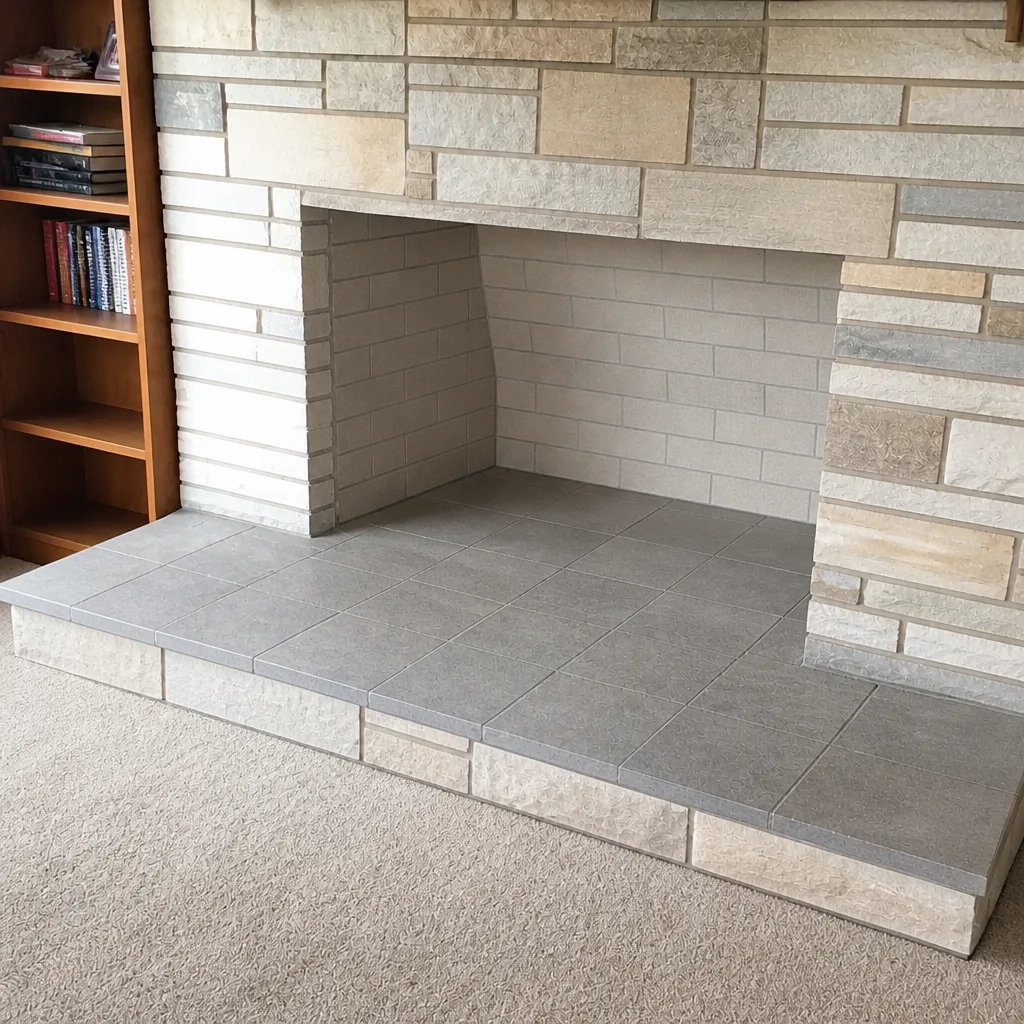
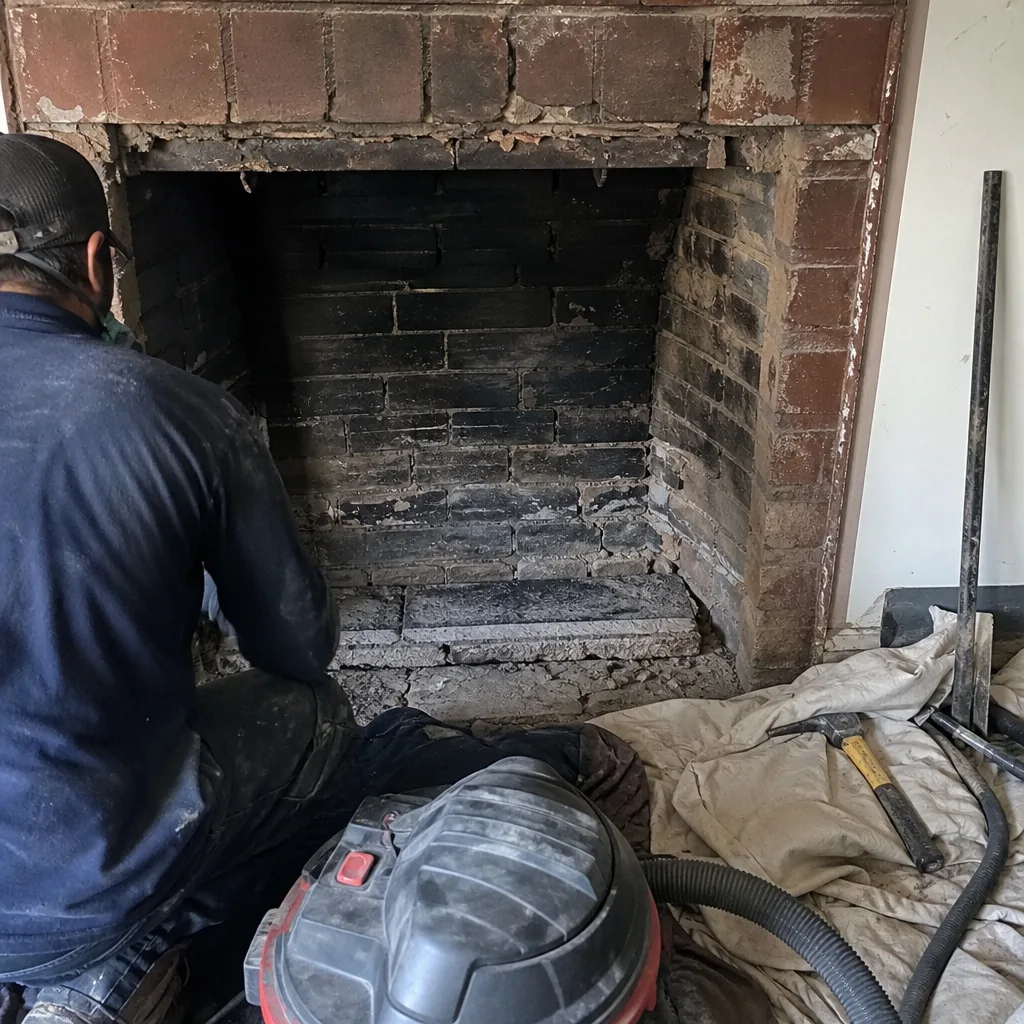
See the difference
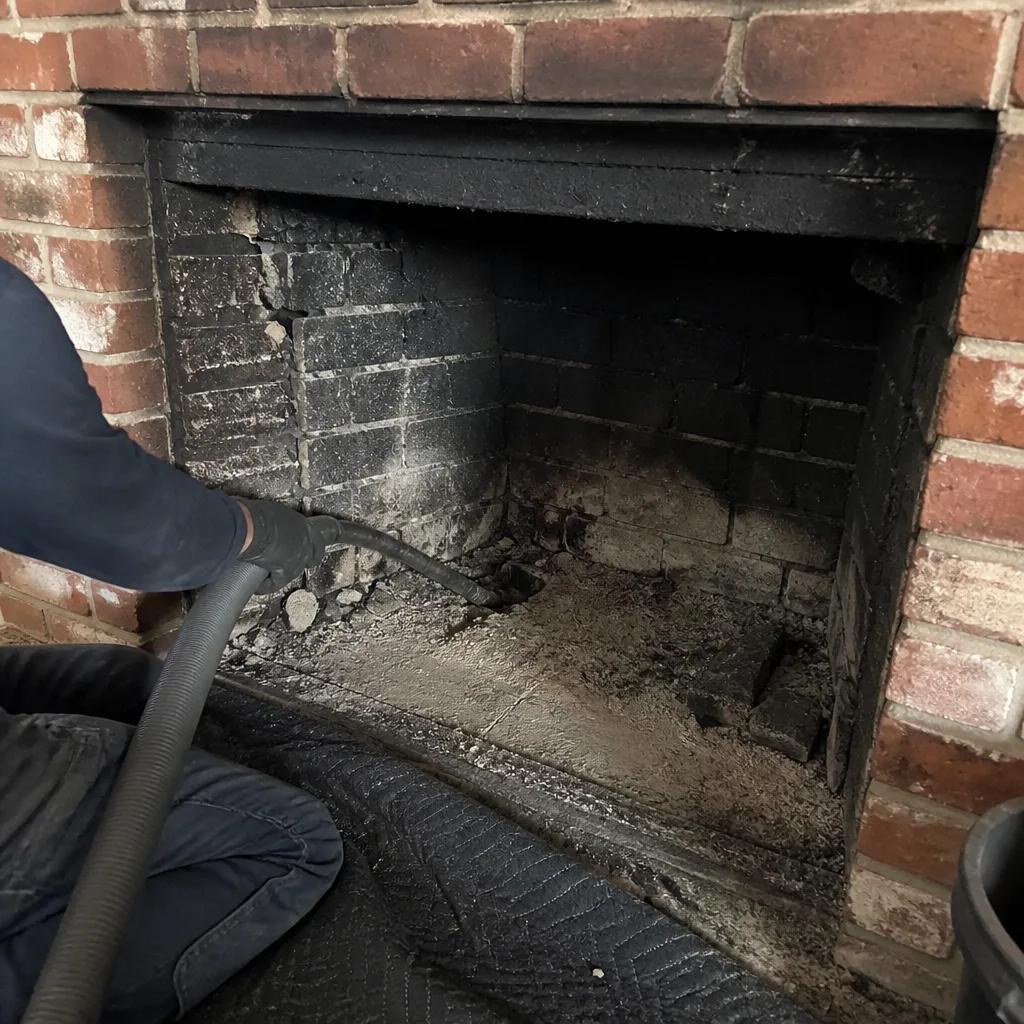 Before
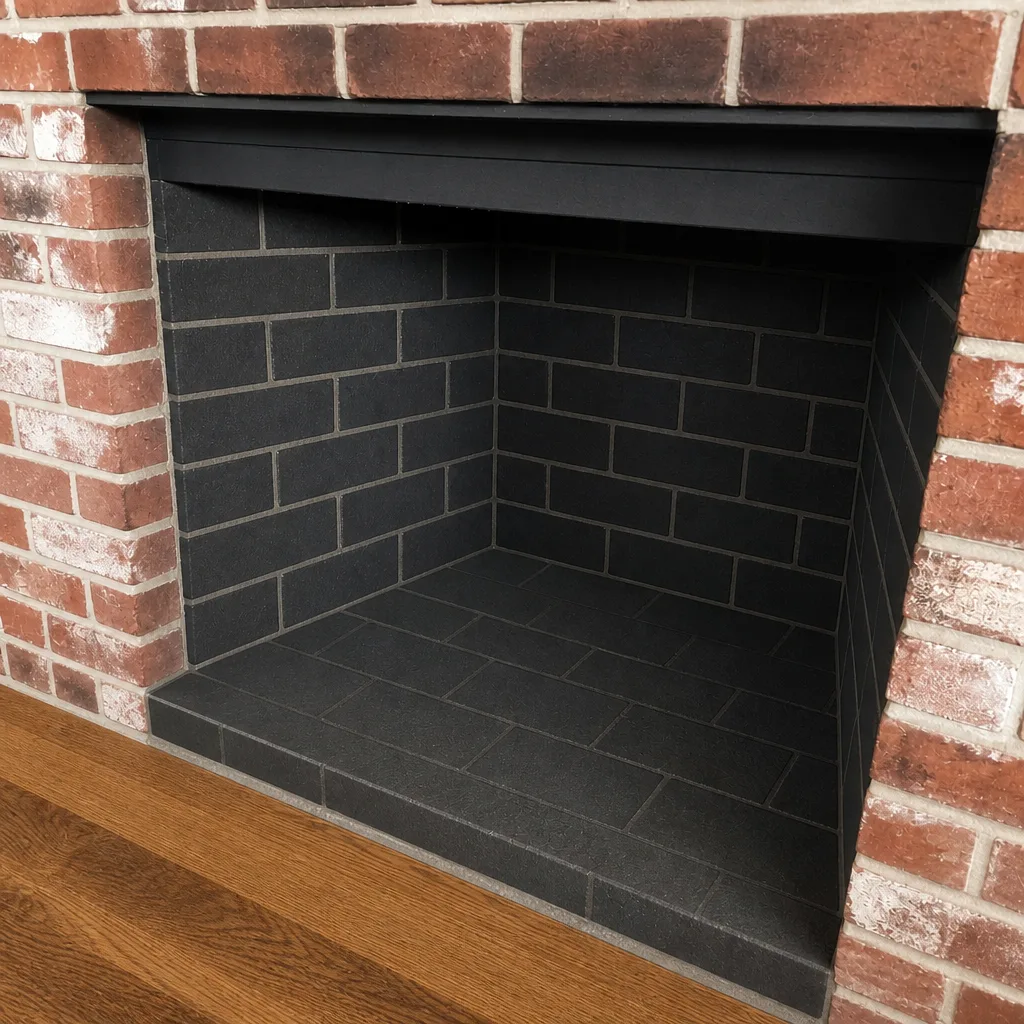 After
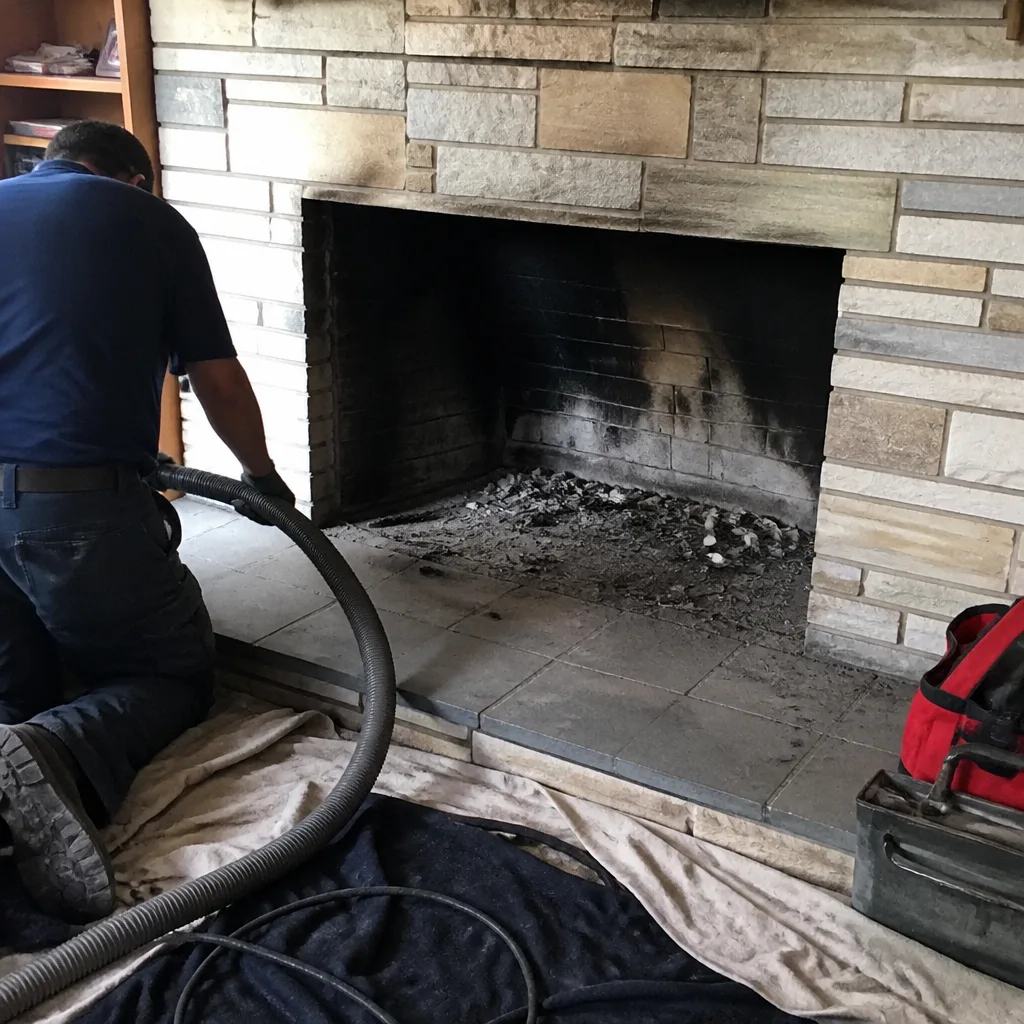 Before
 After
 Before
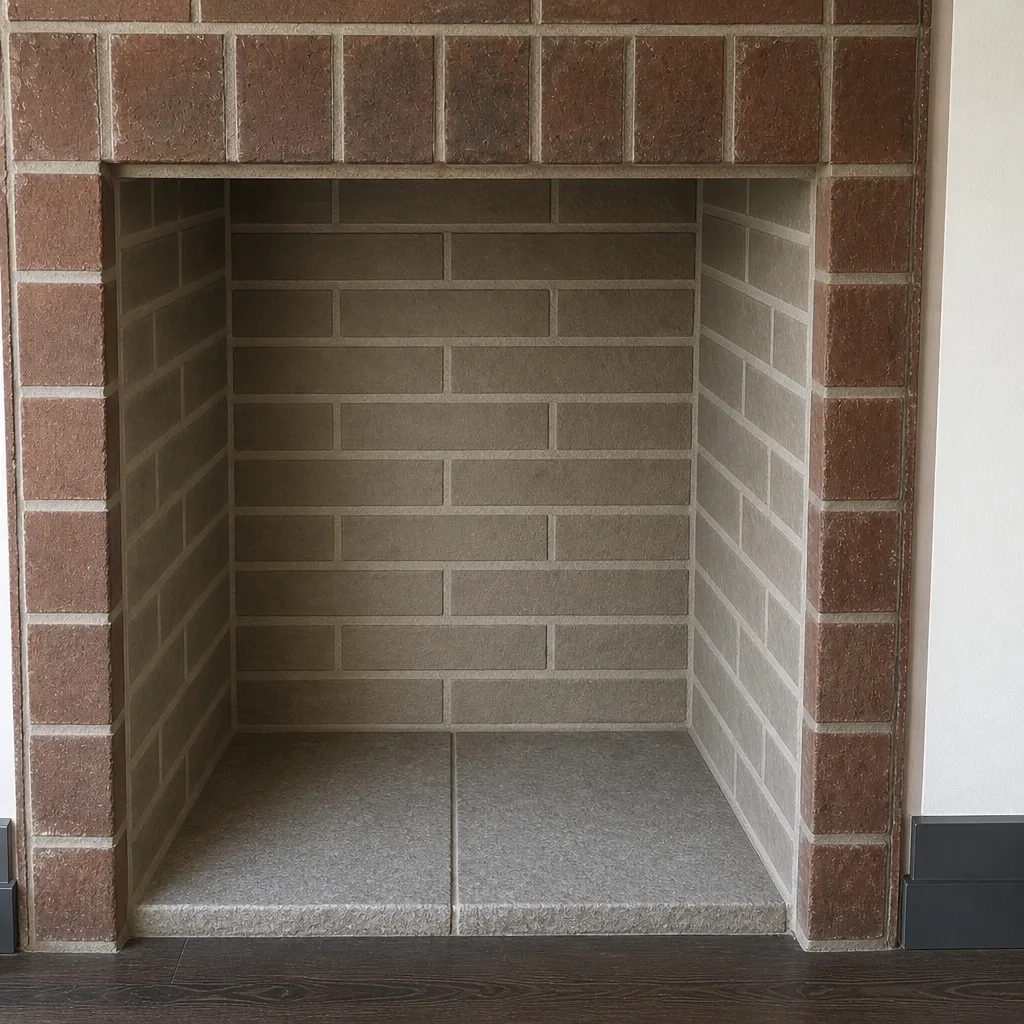 After
Frequently Asked Questions
The cost depends on the creosote stage and whether a Level 2 inspection is included, and the written estimate sets the final price. We give a written estimate before booking, and there’s no fee to get one. Call (844) 625-7031 for an exact quote. Estimates are free.
Only if the flue itself has failed, cracked, or deteriorated beyond what resurfacing can fix. A flue camera image shows exactly what’s happening inside. If the flue is sound and simply has heavy creosote, a sweep and heat treatment often resolves it without any liner work. HeatShield ceramic resurfacing handles many liner-level problems without removing the existing flue, and a DuraFlex stainless liner is the answer when the flue has actually failed. Nothing is recommended without camera evidence you can see, and if the images don’t support the recommendation, we don’t make it. Call (844) 625-7031 for a free estimate.
Once a year for most wood-burning fireplaces, whether or not the fireplace is used heavily. The annual inspection is the key step. Sweeping frequency depends on what the inspection finds, and an intermittent low-use Stanton fireplace can build creosote faster than a frequently used one. Gas fireplace chimneys should be checked at least once a year for moisture, debris, and nesting. Call (844) 625-7031 for a free estimate and to book the inspection.
Creosote accumulates to a point where a chimney fire becomes possible, and a chimney fire can crack the flue or spread into the framing without any visible sign from the room. Separately, a blocked or damaged gas vent can allow carbon monoxide into the home. And water intrusion through a damaged cap or crown, left alone, can lead to masonry and interior damage that costs far more than a sweep. Call (844) 625-7031 for a free estimate before the burning season starts.
A Level 1 is a visual inspection of readily accessible portions of the chimney and venting system. A Level 2 adds a camera inspection of the flue interior and checks on accessible portions of adjoining areas, and it’s the level required after a change in appliance, fuel, or liner. For a first inspection on a Stanton home, Level 2 is the correct level, because it’s the only one that reveals actual flue condition. Call (844) 625-7031 for a free estimate on the correct inspection for your chimney.
Yes, though not for soot. Gas fireplaces need the flue checked for moisture intrusion, debris, and nesting, all of which can block the vent and let carbon monoxide enter the home. The inspection scope is different from a wood sweep, but the annual check is just as important. We work with HVAC-appropriate venting and termination components through Olympia Chimney and Copperfield. You can also ask about fireplace repair if the fireplace itself needs work. Call (844) 625-7031 for a free estimate.
The Bottom Line
Chimney cleaning in Stanton is not the same job as chimney cleaning in a cold-climate market, and treating it like one is the core mistake. Occasional-use burning produces denser, stickier creosote than a daily fire, and the sweep method has to match. A professional sweep includes a camera inspection, staged creosote removal, smoke chamber brushing, and post-sweep verification, and the report should show the homeowner exactly what’s inside the flue. Gas fireplaces need annual attention for moisture and debris, not soot. The inspection level matters, and a Level 2 is the right starting point for a Stanton home that hasn’t been inspected recently. When work is suggested, the images should back it up, and when it can safely wait, we say so. From the firebox to the crown, chimney repair and sweeping are part of the same system, and we handle the whole arc.
Contact
If your chimney hasn’t been inspected this year, or you’re noticing something that doesn’t look right, call us. Chimney Sweep Stanton offers free written estimates for sweeping, inspection, fireplace repair, chimney repair, and cap and crown installation across the full chimney system. We name the product because the product matters, and we use professional-grade materials, including DuraFlex, HeatShield, and components from Famco, Gelco, Olympia Chimney, and Copperfield, rather than retail substitutes. Call (844) 625-7031. We answer 24/7. Fast dispatch from 7am to 7pm, Sunday through Friday.
Written by the team at Chimney Sweep Stanton.