
Last updated November 25, 2026
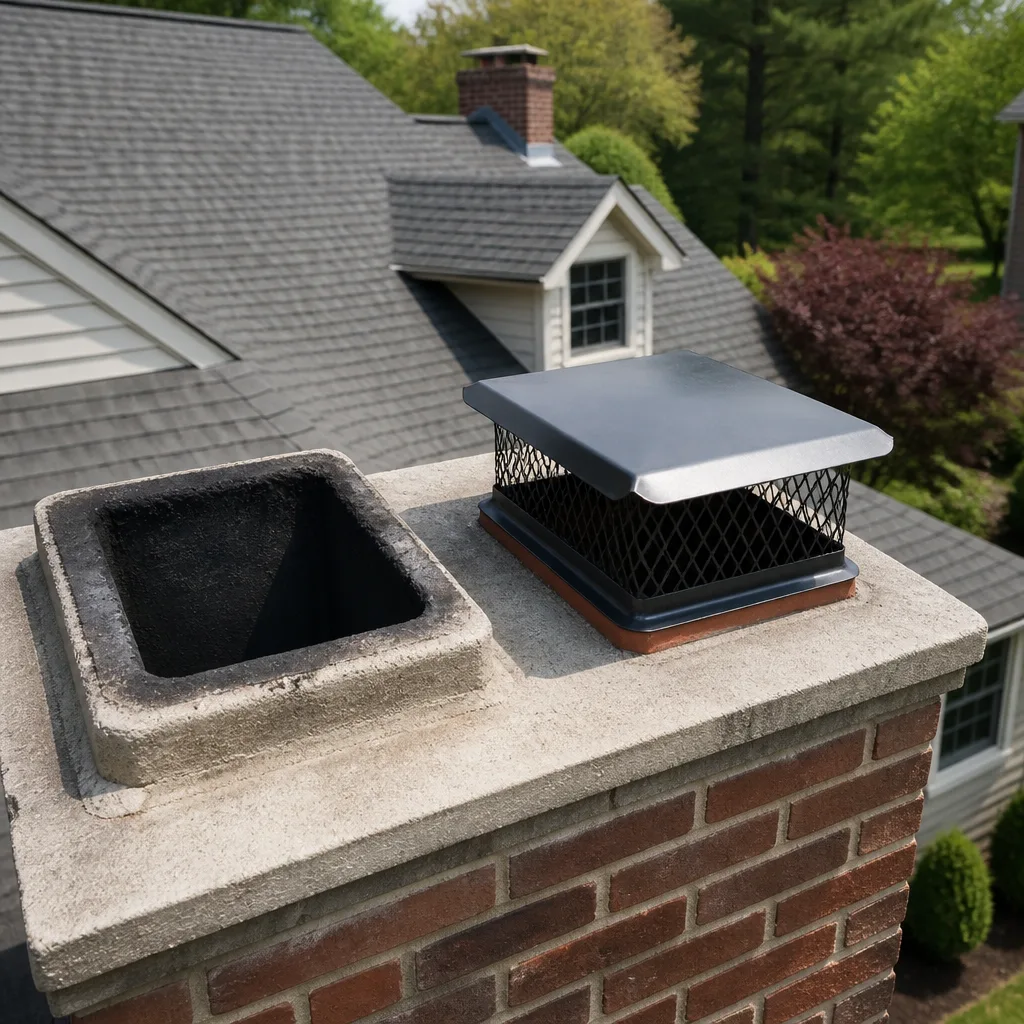 Sweep & inspection
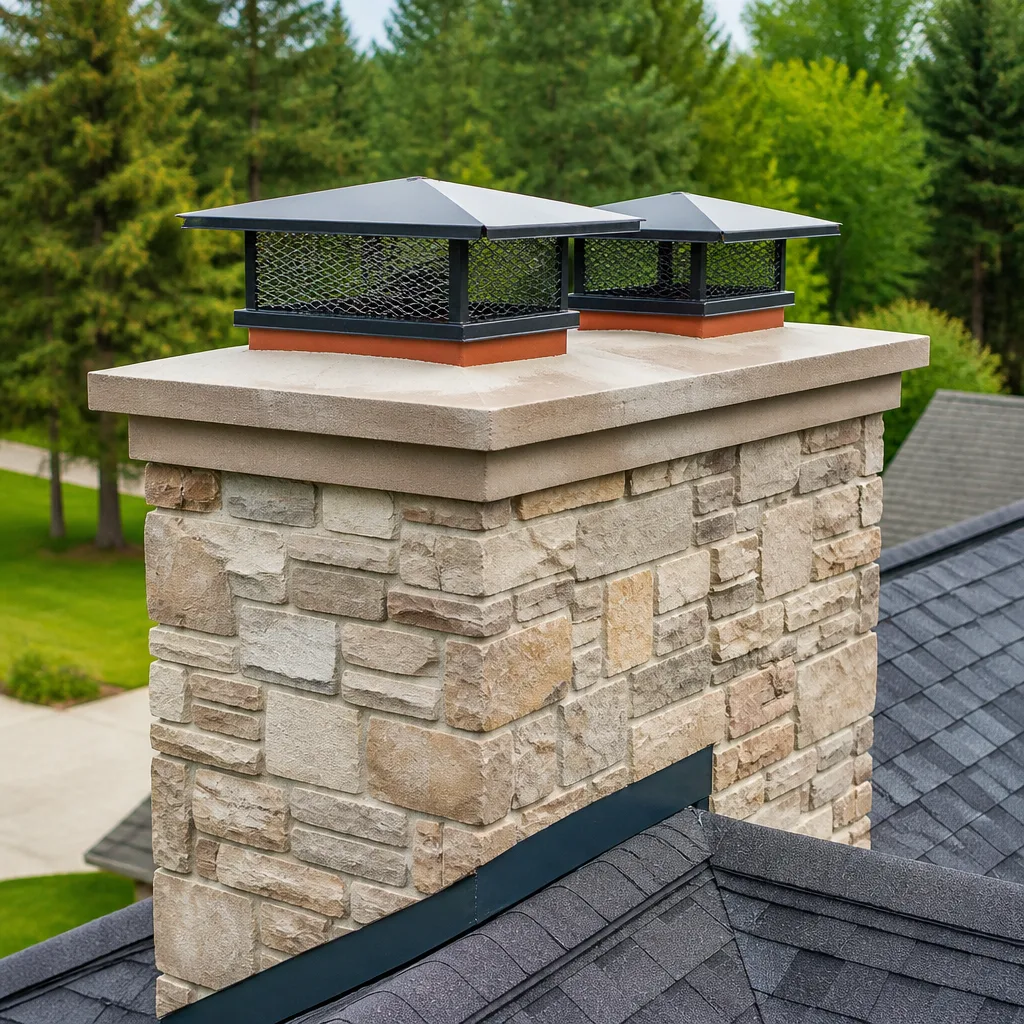 Caps & crowns
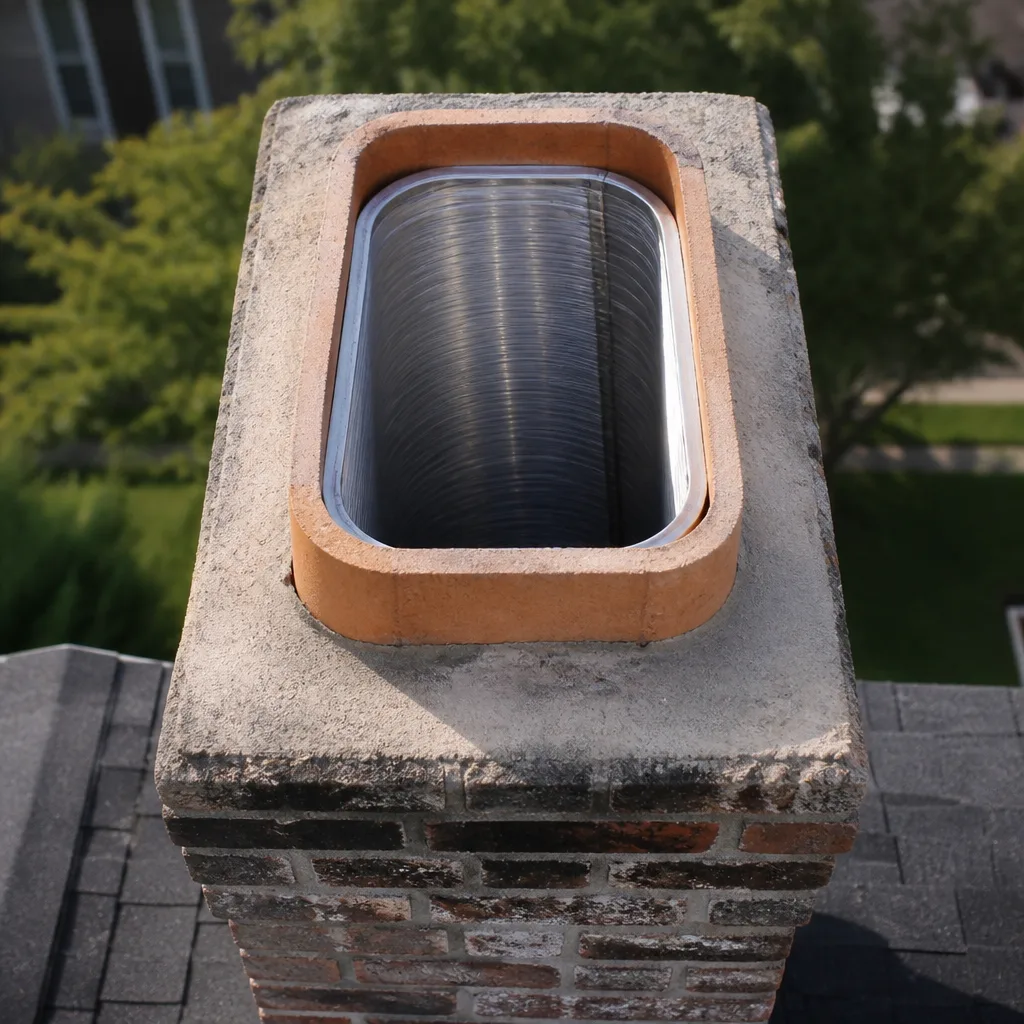 Flue relining
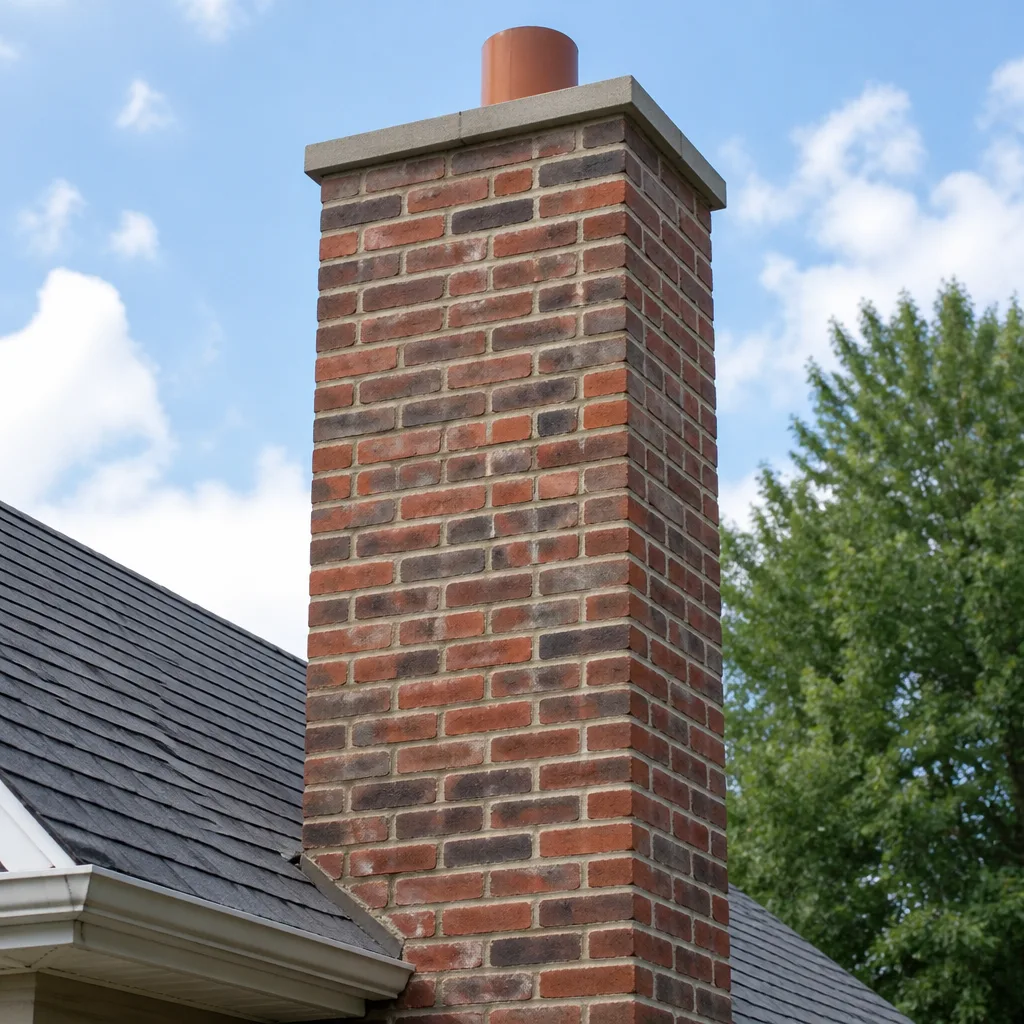 Masonry repair
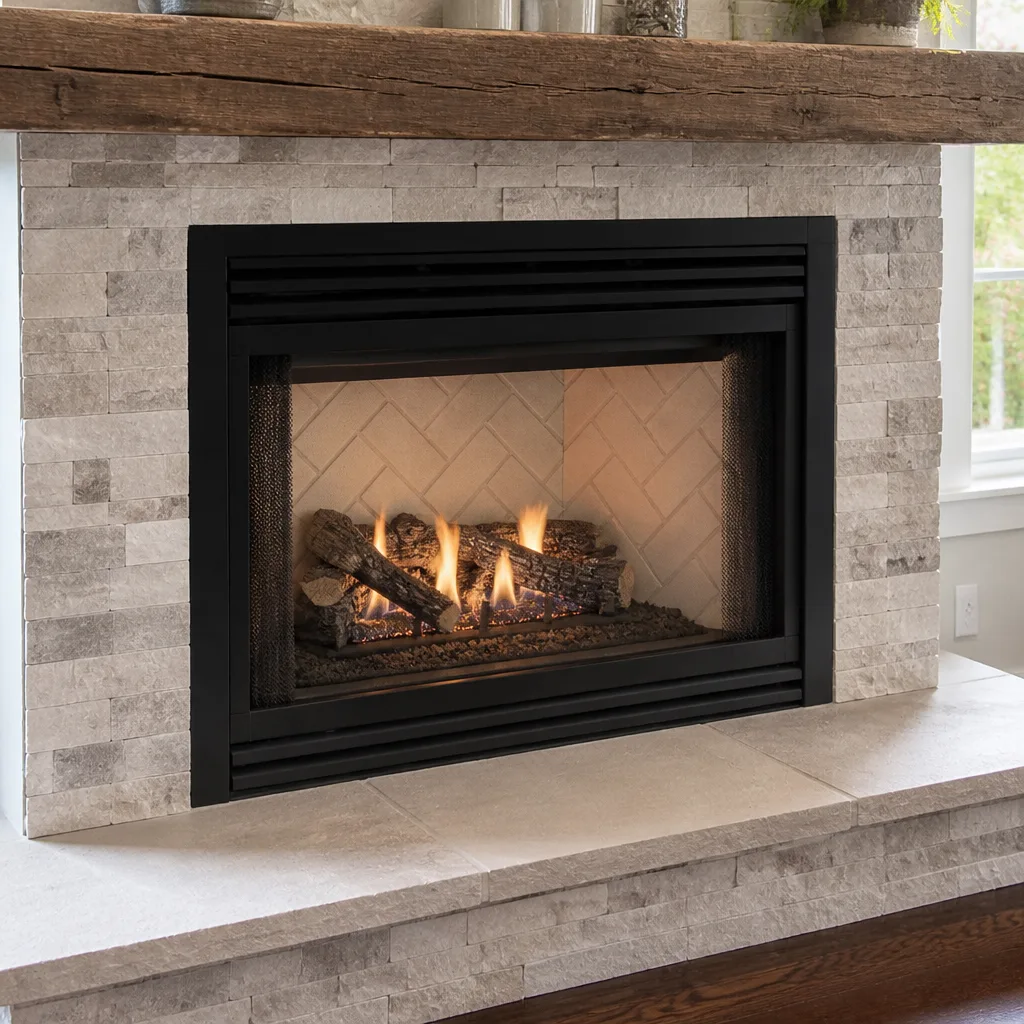 Gas fireplace service
Level 1 sweep and inspection to the NFPA 211 annual standard - flue, crown, cap, and flashing checked and photographed
Chimney sweep logs do not sweep chimneys. They loosen some creosote - which then falls where a brush and vacuum still have to collect it.
DIY vs Professional Chimney Cleaning: The Stanton Homeowner’s Decision Guide
A chimney brush kit from a home improvement store is built for one job: knocking light, powdery soot off the walls of a flue during routine maintenance. It has no meaningful effect on glazed creosote, the hard, tar-like deposit that inconsistent burning habits tend to produce. That gap matters here in Stanton, where many fireplaces get used in short bursts through the cooler months rather than as a steady heat source. This guide walks through what a prepared homeowner can genuinely accomplish, where the equipment and knowledge gap turns into a safety problem, and the specific conditions that make DIY a reasonable choice or a risky one.
Quick Answer
DIY chimney cleaning is reasonable only for light, powdery soot in a straight flue with a sound liner and no history of problems, done with correctly sized brushes and proper protective gear. For most Stanton homes, the brushing is the easy part and the inspection is the irreplaceable part: a professional sweep uses closed-circuit flue cameras, rotary power systems, and commercial-grade solvents to find and remove what a hand brush and a flashlight cannot. If your flue has ever had a heavy fire, a chimney fire, or a glaze of hard creosote, it needs a professional evaluation before anyone gets on the roof.
Styles & brands we work with
- Sweep & inspection
- Caps & crowns
- Flue relining
- Masonry repair
- Gas fireplace service
Table of Contents
- What a Prepared DIYer Can Actually Accomplish
- Why the Inspection, Not the Brushing, Is the Irreplaceable Part
- The Professional Tools You Can’t Buy at a Hardware Store
- Understanding Creosote Stages and Why It Matters
- The Insurance and Liability Reality of DIY Chimney Work
- The Decision Framework: 3 Conditions for DIY, 4 Against
- How a Professional Sweep Actually Works, Step by Step
- Repair First, Replace When Necessary: What That Means for Your Flue
What a Prepared DIYer Can Actually Accomplish
Let’s be fair to the mechanically inclined homeowner. A flue cleaning is not surgery. If you have a straight vertical flue, a sound clay tile liner, a modest accumulation of soft soot, and no history of smoking or chimney fires, you can physically run a brush down that flue. People do it. Some of them do it competently.
Here’s what a realistic DIY effort includes:
- Correct brush sizing. The brush must match the flue’s interior dimensions closely. Too small and it skips the walls; too large and it can crack clay tile. You need to know your flue’s actual measurements, which means a proper look inside, not a guess.
- Poly brushes for clay tile. Metal brushes on clay tile can score and damage the liner surface. Poly is the safer choice for masonry flues.
- Rod sections long enough to reach the full run. A brush that stops two-thirds of the way up hasn’t cleaned the top third, which is often the coolest, most deposit-prone zone.
- Drop cloths, a sealed work area, and a shop vacuum with a fine-particle filter. Soot travels. It gets into carpet, furniture, and lungs.
- Respirators, eye protection, and gloves. Creosote and soot are respiratory irritants and skin irritants.
What a DIYer typically cannot accomplish is any of the diagnostic work. You can look up the flue with a flashlight and see a fraction of what’s there. You cannot see the offset, the smoke shelf, the crown, or the interior face of the liner at height. You can’t check the joints for gaps. You can’t tell the difference between a hairline crack that’s harmless and one that’s letting heat reach combustible framing. The brushing itself isn’t the barrier. The seeing is.
And there’s a hard safety line. If you’re not comfortable working at height, if your roof pitch is steep, if your access requires a ladder placement you’re not sure about, don’t. Falls from roofs are a real and serious category of injury, and no annual savings is worth one. A trained professional has the harness, the ladder setup, and the roof discipline to work safely. If the thought of the roof access gives you pause, that pause is correct.
Why the Inspection, Not the Brushing, Is the Irreplaceable Part
Here’s the part of the DIY debate that gets underweighted. The brushing is the visible service. The inspection is the reason the service exists.
Stanton’s housing stock includes a lot of homes built decades ago, and older masonry chimneys in Southern California carry their own patterns of wear. Mild winters mean the exterior masonry doesn’t go through the punishing freezes of colder regions, but they also mean a lot of chimneys sit through long dry spells and then get sudden, hot, infrequent fires. That usage pattern is hard on the mortar joints inside the firebox and it’s hard on the smoke chamber above the damper, which is where deposits collect and where a lot of hidden damage lives.
A professional inspection looks at the whole system, from the firebox to the crown:
- The firebox. Cracks in the firebox brick or mortar can let heat reach the structure behind it. This is often invisible from the room.
- The damper. Does it open fully? Does it seal? A damper that sticks can be a draft problem and a hidden deposit zone.
- The smoke chamber. This is the tapered space above the damper and below the flue. It’s a classic deposit trap and a frequent site of damage that a flashlight from below can’t reveal.
- The flue interior. Camera work here shows liner condition, joint gaps, offsets, and whether deposits are surface-level or bonded.
- The crown and cap. These are the two most common points of water intrusion, and water intrusion is where expensive interior chimney damage starts.
- The exterior masonry. Spalling, joint erosion, and cap integrity all get checked from the roof.
That’s the irreplaceable part. A sweep without an inspection is brushing blind. This is also why we put our chimney sweep together as a combination of cleaning plus a full inspection with a photo report, so you can see everything we see and judge it for yourself. You’re entitled to evidence, not just a strong opinion from a stranger on your roof.
The Professional Tools You Can’t Buy at a Hardware Store
Home improvement stores sell brush kits. They don’t sell rotary power systems, commercial-grade creosote solvents, or closed-circuit flue cameras. Those tools are the difference between maintenance cleaning and actual problem-solving, and they’re the reason the professional sweep’s price reflects more than an hour of labor.
Here’s what shows up on a professional job:
- Rotary power systems. Motorized spinning brush heads that whip the walls of the flue with mechanical force rather than hand pressure. On stubborn deposits, this is fundamentally more effective than a push-and-pull hand brush.
- Closed-circuit flue cameras. A camera on a rod or cable that runs the full length of the flue and feeds back a live view. This is how you confirm liner condition instead of guessing at it. It’s also how we show you what we found without asking you to take it on faith.
- Commercial-grade creosote solvents. Chemical treatments that soften or break down glazed creosote so it can actually be removed. Consumer products do not carry the same concentration or formulation.
- Proper brush inventory. A range of sizes and materials in one kit, so the brush fits your flue instead of the other way around.
We source our components through wholesale chimney supply chains rather than retail stores: Olympia Chimney and Copperfield for liner and venting materials, Famco and Gelco for termination and venting details. Those brands exist because the trade needs materials rated for the heat and chemical environment inside a chimney, not for light residential use. When a repair calls for a new liner, we install DuraFlex stainless-steel flexible liner systems. When the flue needs resurfacing instead of replacement, we use HeatShield. We name the products because the product matters, and because the homeowner deserves to know what’s being installed in their house.
Understanding Creosote Stages and Why It Matters
Creosote is the byproduct of incomplete combustion, and it forms in three general stages. The stage determines whether a brush will help and whether DIY is a defensible idea at all.
- Stage 1: soft, flaky soot. Powdery, light, brushable. A hand brush will move this. This is the material a retail brush kit is designed to address, and it’s the only stage where DIY maintenance is defensible.
- Stage 2: hard, crusty deposits. Bonded to the flue walls, often described as crunchy or cracked-looking. A hand brush skips over this. You need mechanical force from a rotary system and often solvents to soften it. DIY usually leaves most of it in place.
- Stage 3: glazed creosote. Hard, shiny, tar-like, and the most combustible stage. A hand brush has essentially no effect. Glazed creosote is what causes chimney fires, and it requires a rotary system plus commercial solvents to remove, or in severe cases, a resurfacing or relining solution. Never attempt to remove glazed creosote with a hand brush and a scraper. The wrong tool can send hot material down the flue or cause damage to the liner. Call a professional.
Why is Stage 2 and Stage 3 creosote so common in Stanton? Burning habits. Short, hot fires that don’t fully combust, damp wood, restricted air supply through a partially closed damper, and long non-burning periods between uses all push creosote formation toward the harder stages. A consistent, well-seasoned, hot-burning routine produces more Stage 1. Inconsistent burning produces the harder deposits, and that’s what we find in a lot of the homes we work in around Stanton. Residential chimneys in this area often look cleaner than they are until a camera goes up and a rotary head comes out.
Chimney fire risk matters, and so does carbon monoxide. A blocked or restricted flue doesn’t vent properly, and that’s a hazard worth treating as a hazard. We’re not going to scare you about it, but the honest expert position is: don’t assume your flue is clear because the fire draws. Draw is not the same as clear.
The Insurance and Liability Reality of DIY Chimney Work
This is the part of the DIY conversation nobody likes to bring up, and it’s the part that can cost more than a lifetime of sweeps. If a flue fire happens and your insurer asks who last cleaned and inspected the chimney, “I did it myself” is not a strong answer. Documented professional service is.
Homeowner’s insurance claims often turn on evidence of maintenance. A flue fire that originates in neglected creosote laid down over years of unmaintained burning is treated differently than a fire that follows a documented professional inspection clearing the flue. Insurers look at whether the homeowner did reasonable maintenance. A professional sweep that comes with a written report and photos gives you that record.
We don’t speak for your insurer, and every policy is different. What we can say is that the pro we connect you with is licensed and insured as the state requires, and the paper trail from a professional service protects you in a way that a receipt for a brush kit does not. If you ever sell the home, that record also matters, because a buyer’s inspector will look at the chimney and ask when it was last serviced. The answer should be a date, not a shrug.
The other liability reality: if you’re on the roof and you damage the crown, crack a tile, or worse, hurt yourself, those are yours to own. A professional carries coverage for the work. That’s part of what you’re paying for.
This is a good place to say the uncomfortable thing plainly: we’re not telling you that you can’t brush your own flue. We’re telling you that the insurance and safety math usually favors having it done and documented at least once a year, and that the case for DIY narrows the more you know about your own chimney.
The Decision Framework: 3 Conditions for DIY, 4 Against
Let’s make this practical. Here’s the framework we’d offer any homeowner weighing the decision.
DIY maintenance is reasonable when all three of these are true:
- You’ve had a professional inspection within the last year and know the flue is sound, straight, and undamaged. The camera has been up. You have the report.
- Your deposits are light and powdery (Stage 1), you burn well-seasoned wood with good air supply, and you clean before each burning season regardless of how much soot you expect.
- You have correct equipment, including poly brushes sized to your flue, and you’re comfortable and safety-conscious on a roof or you have safe ground-level access. No guessing on ladder placement.
DIY creates more risk than it eliminates when any one of these is true:
- You’ve had a chimney fire, or you suspect one. A chimney fire can crack tile, warp metal, and damage the flue in ways you can’t see. That flue needs a camera, not a brush.
- You see or suspect glazed creosote. Stage 3 deposits require rotary tools and solvents. A hand brush is a waste of a Saturday and a false sense of security.
- You’ve never had the chimney professionally inspected, or you don’t know the age and condition of the liner. You can’t safely clean a system you don’t understand.
- You have a damaged crown, cracked cap, or visible masonry problems. Water intrusion compounds quickly in Southern California’s dry-then-wet pattern. A brush doesn’t fix a cracked crown. Cap and crown work is its own job, and a neglected one costs more the longer it waits.
If even one of the four is true, get the professional evaluation first. That’s the answer. It’s not about being precious about the work. It’s about the fact that the failure modes of a chimney are hidden, and the consequences are not.
How a Professional Sweep Actually Works, Step by Step
If you’ve decided the professional route is worth it, here’s what a competent sweep involves so you know what to expect. A sweep is booked and scheduled; it’s not a service that shows up at your door in an hour. Plan it before your burning season, not after a problem shows up.
- Pre-job conversation. What do you burn? How often? Any history of smoking, poor draft, or chimney fires? Any recent storms? That context frames what to look for.
- Work area protection. Drop cloths and sealed access points. Soot travels, and a proper job leaves your room cleaner than a DIY effort ever will.
- Camera inspection first. Before any brushing, the flue gets inspected with a closed-circuit camera, and the firebox, damper, smoke chamber, crown, and cap get checked. If anything is unsafe to work around, that gets flagged before a brush goes anywhere.
- Mechanical cleaning. Hand brushing for accessible areas, rotary power systems for the flue walls. The brush type and rotation depend on what the camera showed.
- Stage-appropriate solvent treatment. Harder deposits get commercial solvents before or after the mechanical pass. Glazed creosote gets the full treatment or a repair recommendation, not a nod and a smile.
- Second camera pass. Confirm what was removed and document what’s left. Photos included.
- Photo report and recommendation. You get the images, the findings, and a plain-language explanation of what needs attention now, what can wait, and what the options are. Repair first, replace when necessary, is the standing principle. If a flue can be resurfaced with a ceramic product like HeatShield instead of fully relined, that’s the first conversation.
That last point is the one most homeowners care about most. The real hesitation with any chimney professional is being told you need thousands of dollars of liner or masonry work you have no way to verify. Our answer to that is simple: nothing gets recommended without camera evidence you can see for yourself, and if the work can safely wait until next year, we tell you that. The chimney repair conversation should always start with proof, not a sales pitch.
Repair First, Replace When Necessary: What That Means for Your Flue
One of the most common questions we hear from homeowners who’ve had a professional inspection is some version of “the last person said I need a whole new liner – do I really?” The honest answer is: sometimes yes, sometimes no, and it depends entirely on what the camera shows.
A deteriorated masonry flue that’s lost its integrity in spots, but still has a sound overall structure, can often be resurfaced. HeatShield is a ceramic flue resurfacing system that rebuilds the interior face of the flue without a full replacement. It’s the repair-first option, and it’s what we reach for when the conditions support it. When the flue is beyond resurfacing, or when the size and condition call for a full reline, a DuraFlex stainless-steel flexible liner is the recognized solution, and it’s the product we install when the answer is replacement.
The point of the repair-first approach isn’t to make the cheap choice. It’s to make the right choice. A flue that can be resurfaced doesn’t need to be relined, and telling a homeowner otherwise is not a service, it’s a sale. We’d rather show you the camera footage, walk through the options, and let you decide with real information. The chimney repair work from the firebox to the crown runs on that principle.
Fireplace repair fits the same picture. A cracked firebox, a sticking damper, cracked firebrick – these are the kind of issues that show up in an inspection long before they become a full-blown problem, and fixing them early is the whole game. That’s why we treat annual inspection as a recurring step, not a one-time event. If your fireplace repair needs are small enough to handle now, we’d rather handle them now.
Common Mistakes to Avoid
- Buying the brush kit and skipping the inspection. The cleaning is what you can see; the inspection is what keeps you safe. A homeowner who brushes their own flue but never has it inspected has cleaned the top inch of a problem that goes deeper.
- Using a metal brush on a clay tile flue. Metal brushes score and damage tile. Poly brushes are the correct choice for masonry flues, and the wrong brush is worse than no brush.
- Cleaning once and assuming you’re done. Creosote accumulates every season. A flue that was clean last year has deposits now. Annual inspection before burning season is the standard, not the exception.
- Ignoring the crown and cap. These are the two most common points of water intrusion on any chimney, and Southern California’s dry-wet cycle punishes neglected crowns. Water in the flue is a bigger problem than soot in the flue.
- Setting up a ladder without a real plan. Roof access is where DIY chimney cleaning gets people hurt. If the ladder setup isn’t certain and the roof isn’t safe and dry, don’t climb it.
- Scraping and hammering at glazed creosote. Glazed deposits don’t yield to hand tools safely. The wrong mechanical approach can damage the flue and create a hazard. Leave Stage 3 creosote to a rotary system and a trained operator.
- Skipping the paper trail. A flue fire claim is easier to defend with a documented inspection on file. Brush-and-forget leaves you with nothing to show if your insurer asks.
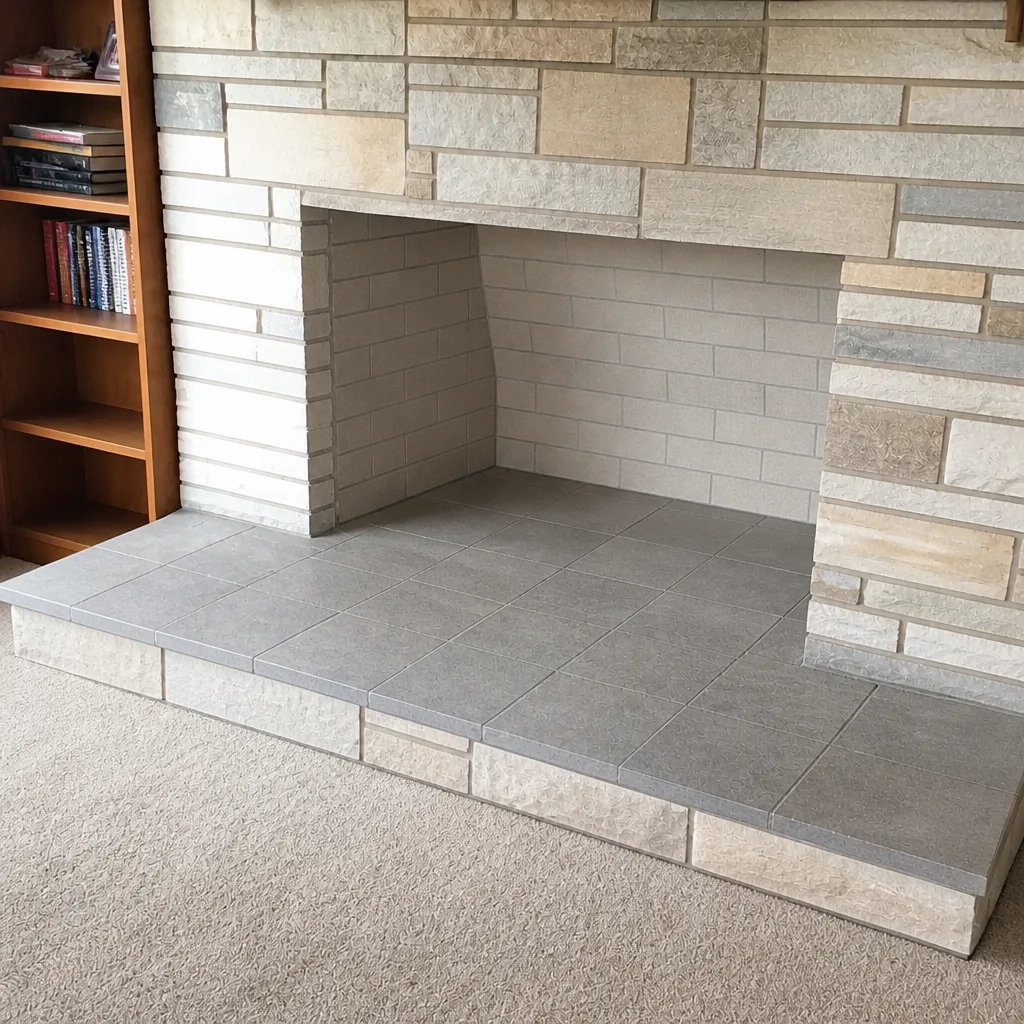
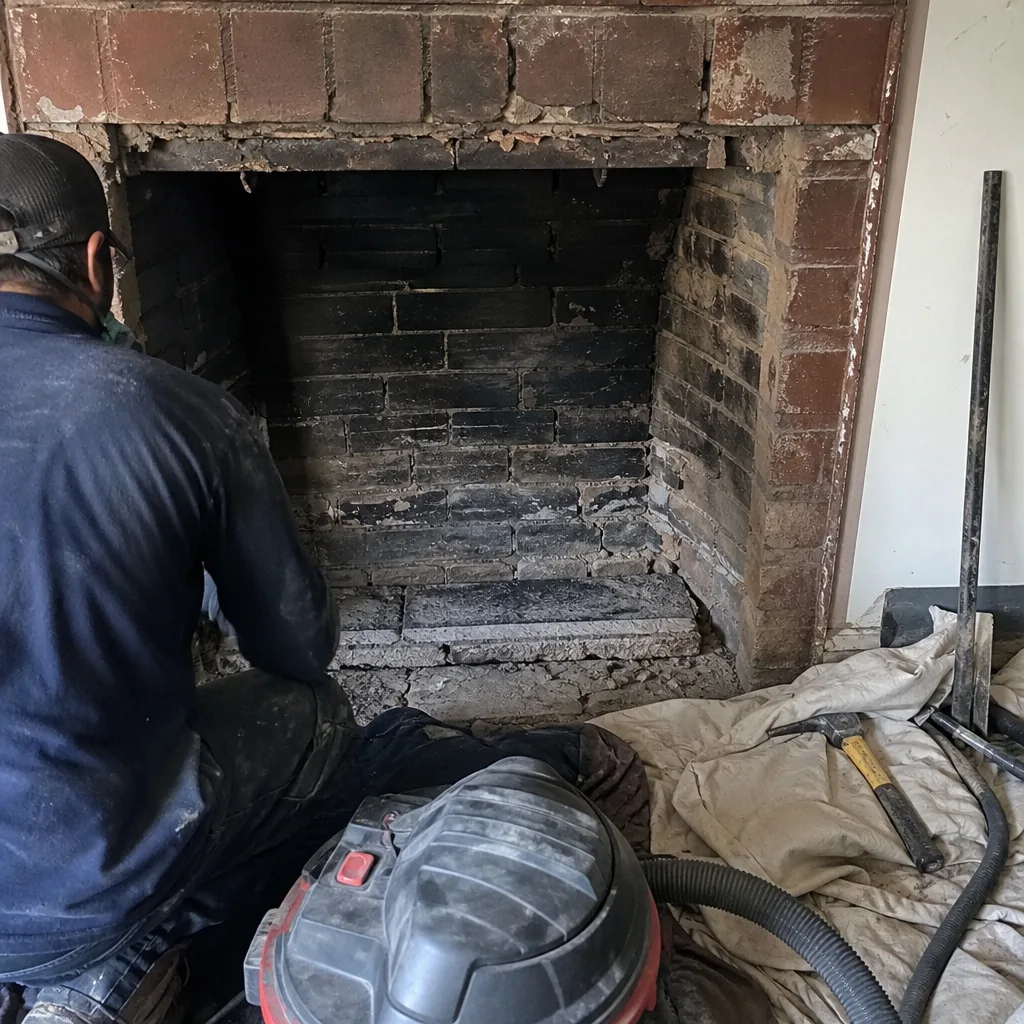
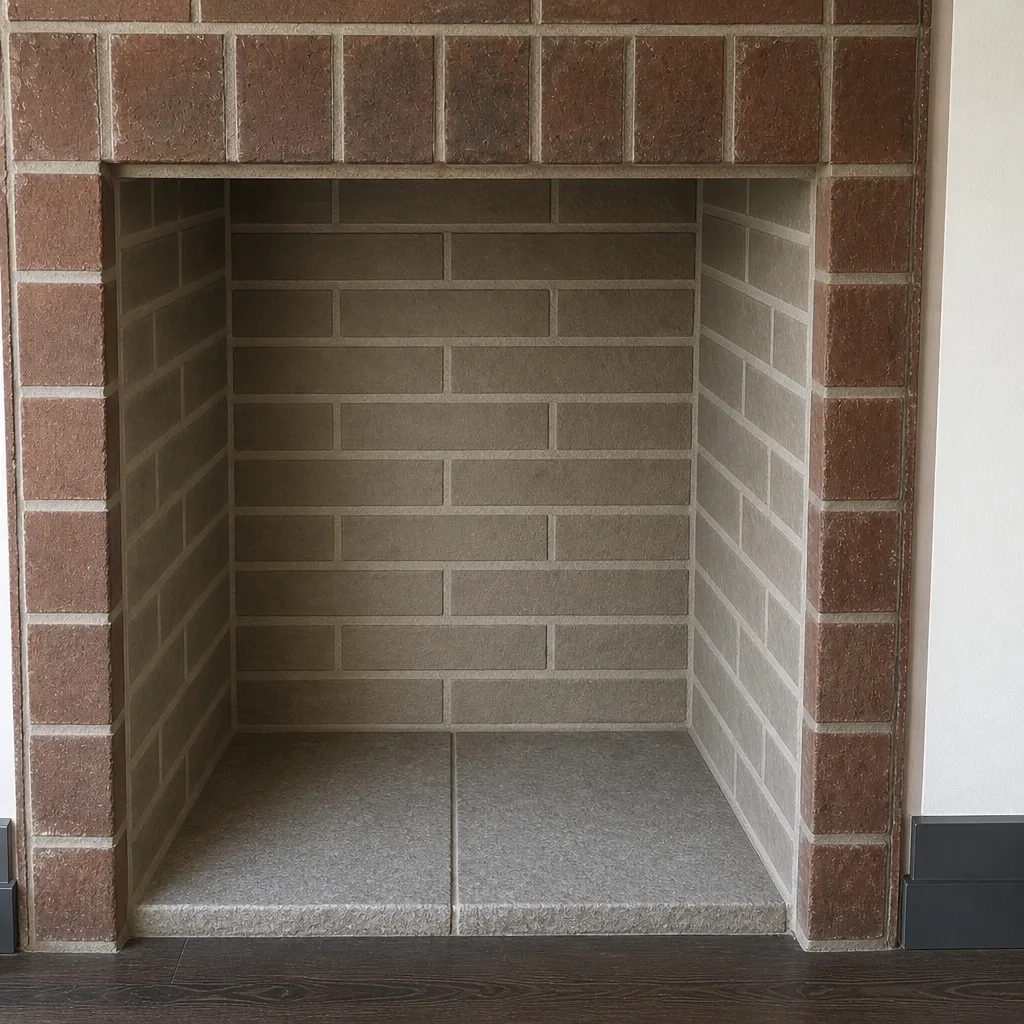
See the difference
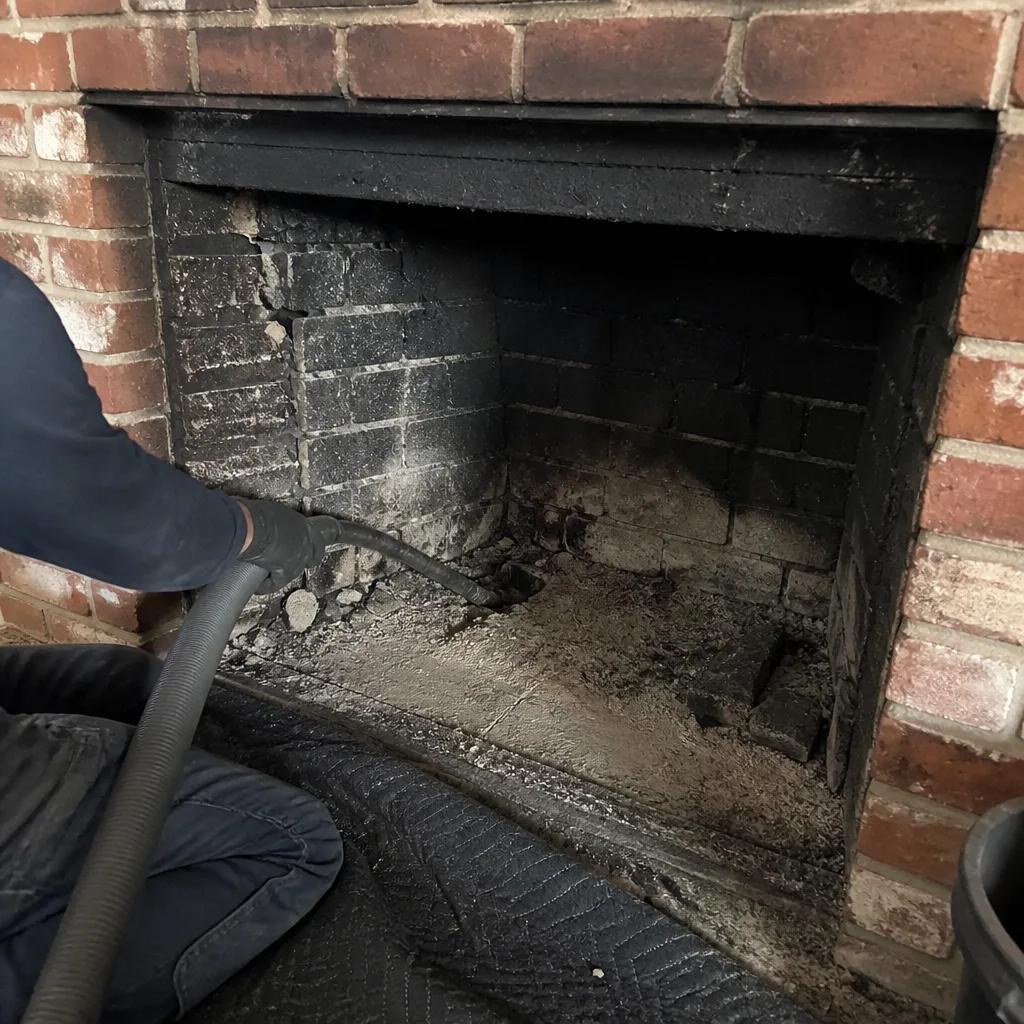 Before
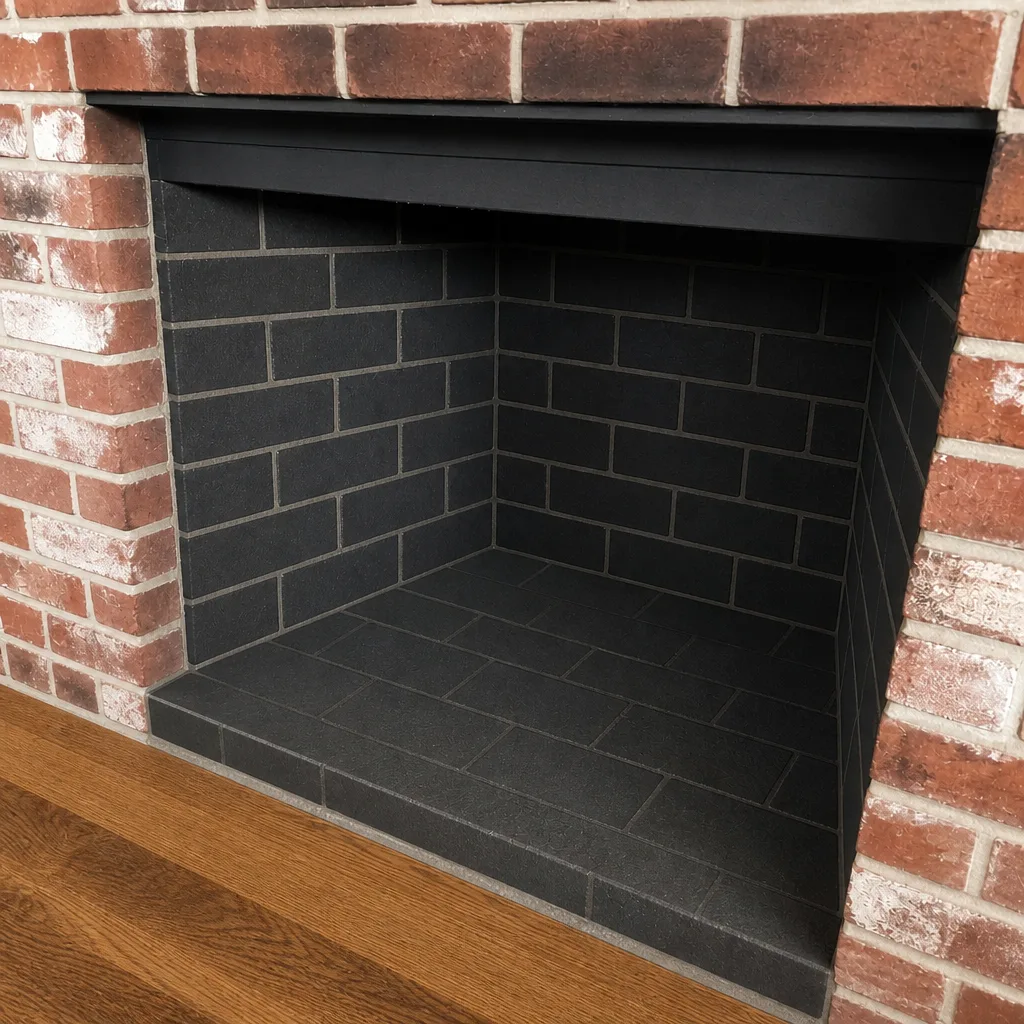 After
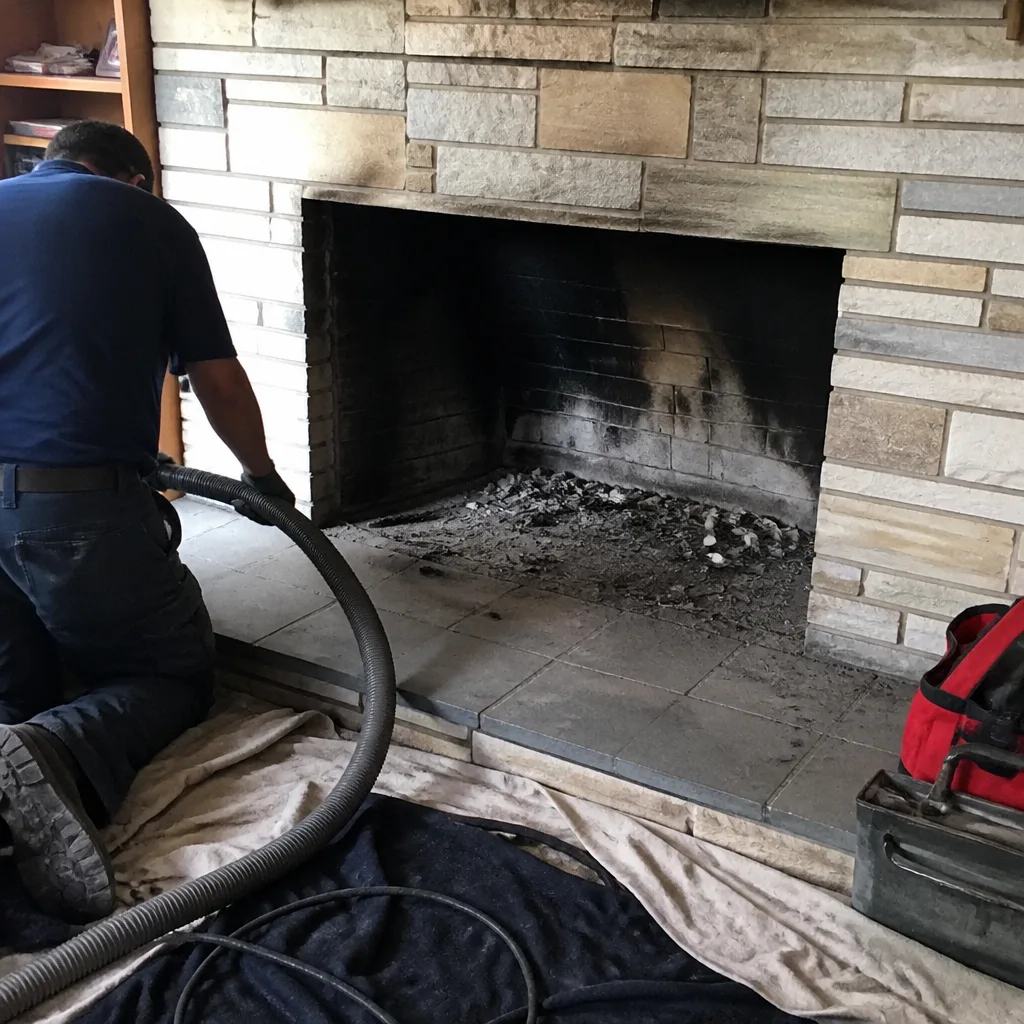 Before
 After
 Before
 After
When to Call a Professional
Call a professional when any of the following is true: you’ve had a chimney fire or suspected one; you’ve never had the chimney inspected; you see glazed or hard, crusty creosote; your crown is cracked, your cap is damaged, or you see masonry problems; your fireplace smokes or drafts poorly; or it’s simply been more than a year since the last cleaning and inspection. Any one of these is enough. You don’t need all of them. Chimney Sweep Stanton offers free estimates in Stanton: call (844) 625-7031. Our technicians have up to 14 years of experience working on residential chimney systems, and we do the whole job – sweep, inspection, fireplace repair, chimney repair, and cap and crown – so you’re not coordinating three contractors for one chimney.
Frequently Asked Questions
A routine chimney sweep in Stanton typically runs somewhere in the low-to-mid hundreds of dollars, and the exact figure depends on the flue’s access, length, and deposit condition. The written estimate sets the final price, and the estimate itself is free. Call (844) 625-7031 for an exact quote – estimates are free.
Not always, and the honest answer is that only a camera inspection can tell you. A flue that has lost some interior face but is structurally sound can often be resurfaced with a ceramic system like HeatShield instead of fully relined. A flue that’s too far gone needs a DuraFlex stainless-steel flexible liner. Repair first, replace when necessary, and nothing gets recommended without evidence you can see for yourself. Call (844) 625-7031 to schedule an inspection.
Once a year, before the burning season, is the standard for a home with an active wood-burning fireplace. Homes with heavy use, damp wood, or a history of smoking should be evaluated more often. Gas fireplaces also need annual inspection even though they produce less soot, because venting problems and carbon monoxide risk are still real. Call (844) 625-7031 to book before your next burning season.
Creosote accumulates, and the harder stages are the combustible stages. A neglected flue raises chimney fire risk and restricts the draft that keeps carbon monoxide out of your home. The damage from a chimney fire – cracked tile, warped metal, compromised liner – usually isn’t visible without a camera, and it’s expensive to fix. Call (844) 625-7031 for an inspection before the risk turns into a repair.
You can, honestly, in a specific set of conditions: a sound, straight flue that’s been professionally inspected within the year, light powdery soot, correct poly brush sizing, and safe roof access. Outside those conditions – glazed creosote, unknown liner condition, a past chimney fire, a damaged crown – the risk of doing it yourself exceeds the reward. When in doubt, get the inspection. Call (844) 625-7031 with questions.
Because the brushing is the part you can see, and the inspection finds the part you can’t. Camera work reveals liner condition, joint gaps, hidden deposit zones, and the firebox and smoke chamber damage that a flashlight from below will miss. A sweep without an inspection is brushing blind. We include a camera inspection and a photo report with every sweep so you can judge the findings yourself. Call (844) 625-7031 for a free estimate.
The Bottom Line
DIY chimney cleaning isn’t about whether you can run a brush down a flue. It’s about whether you can see what you’re brushing and know what to do about it. The home-improvement-store kit handles light, powdery soot, and that’s the extent of what it can do. Glazed creosote, a compromised liner, a hidden crack in the firebox, a crown that’s letting water in – none of that shows up without a camera and a trained eye. The decision framework is simple: DIY is reasonable when a professional has already confirmed your flue is sound, your deposits are light, and you can work safely at height. Anything short of that, get the inspection first. Call (844) 625-7031 for a free estimate, and let the camera tell you what your chimney actually needs.
Written by the team at Chimney Sweep Stanton.