
Last updated November 25, 2026
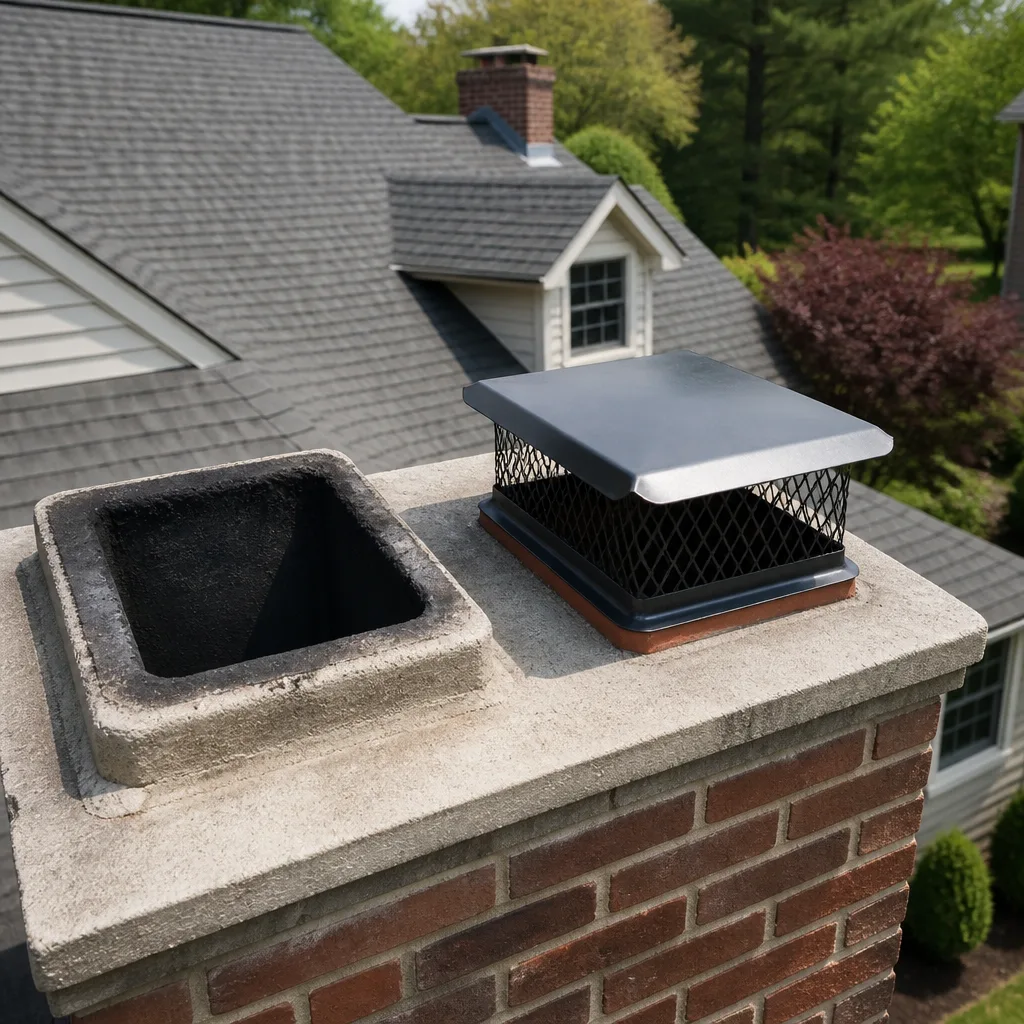 Sweep & inspection
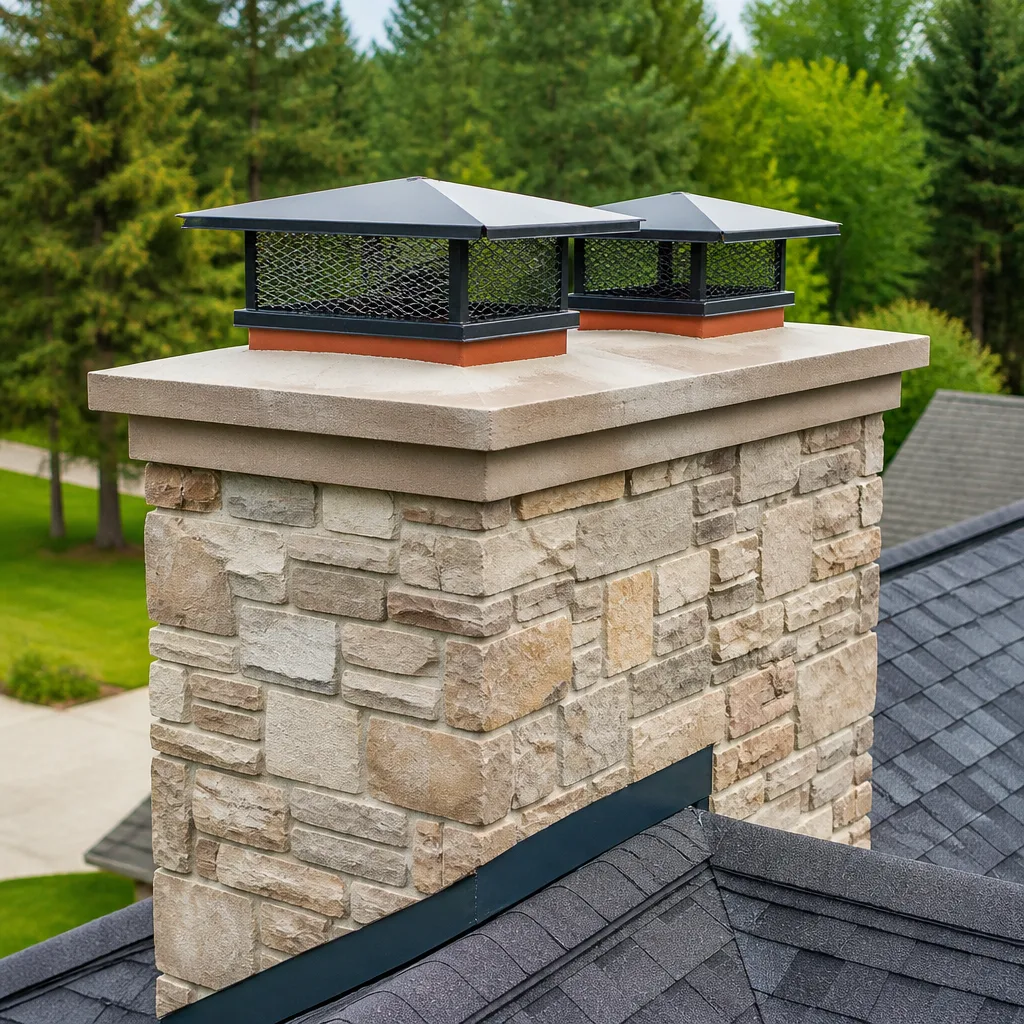 Caps & crowns
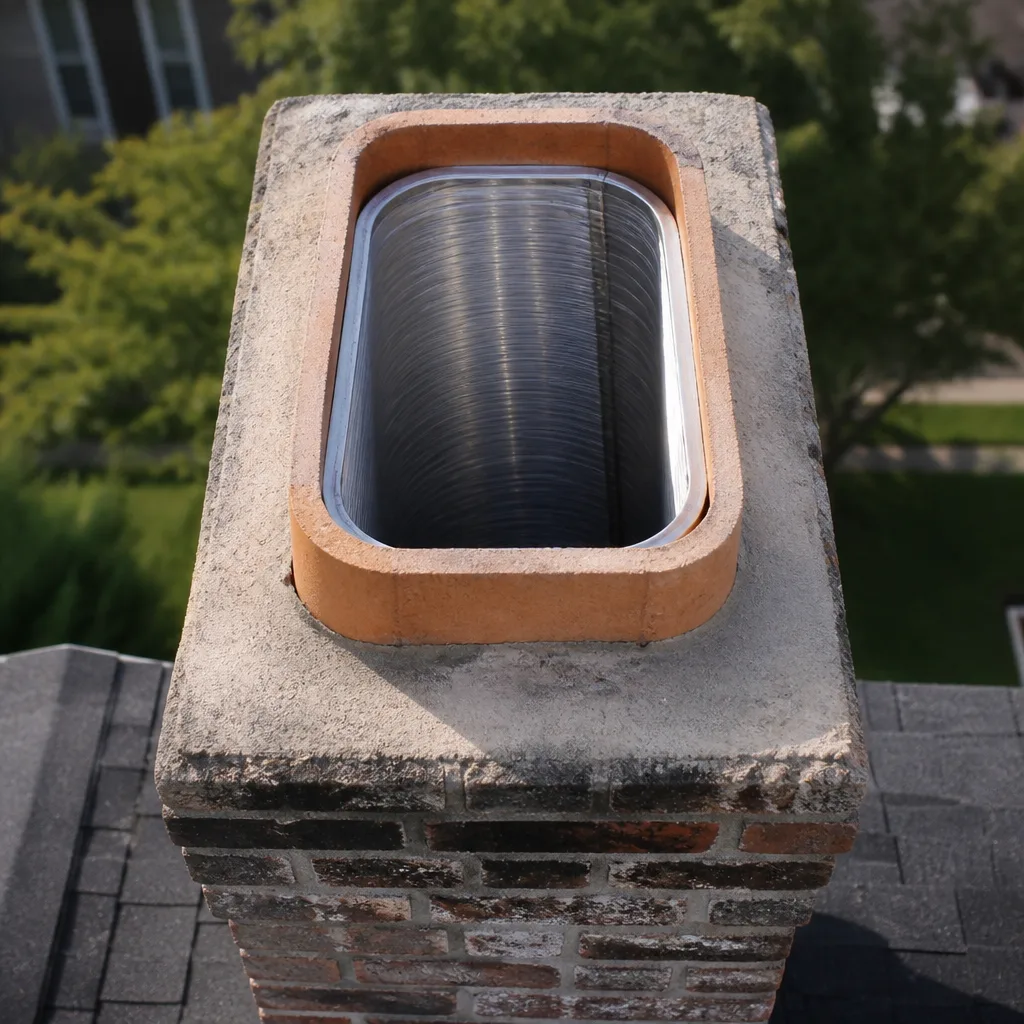 Flue relining
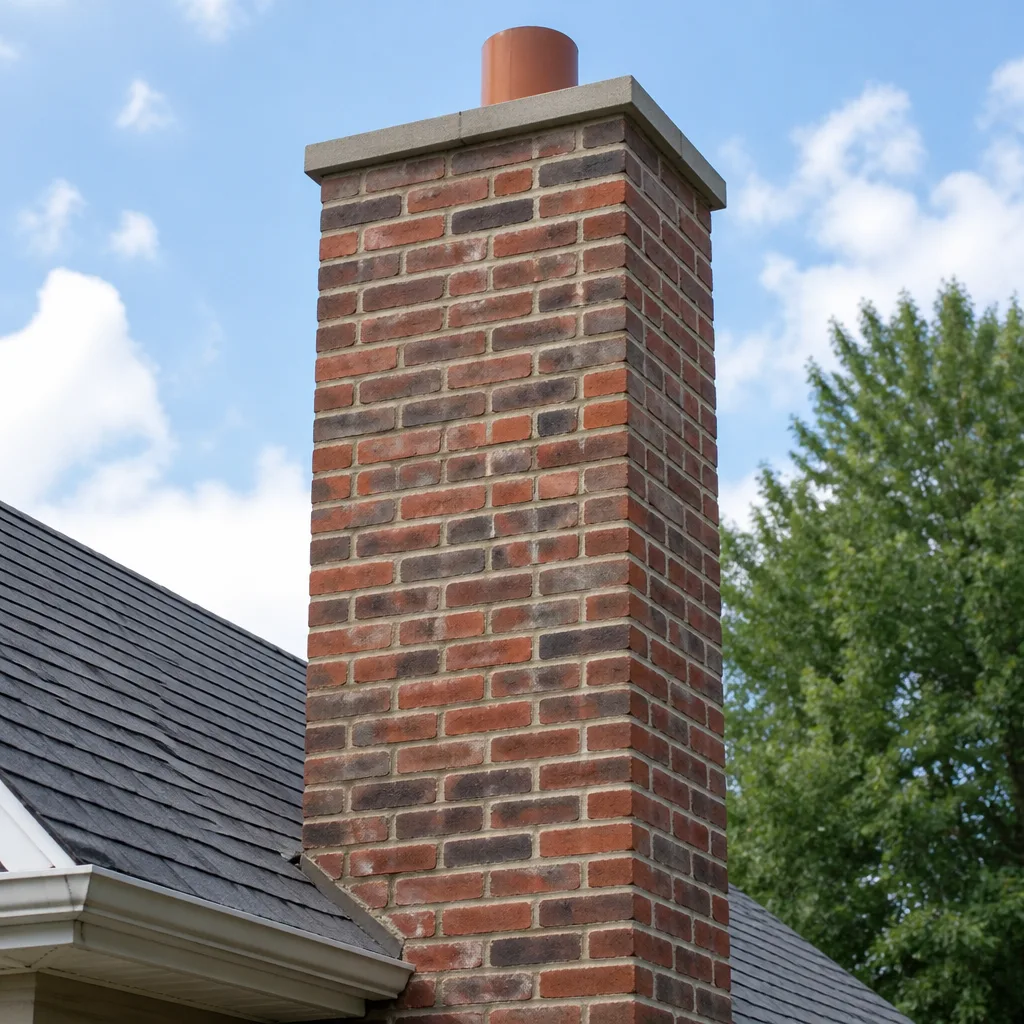 Masonry repair
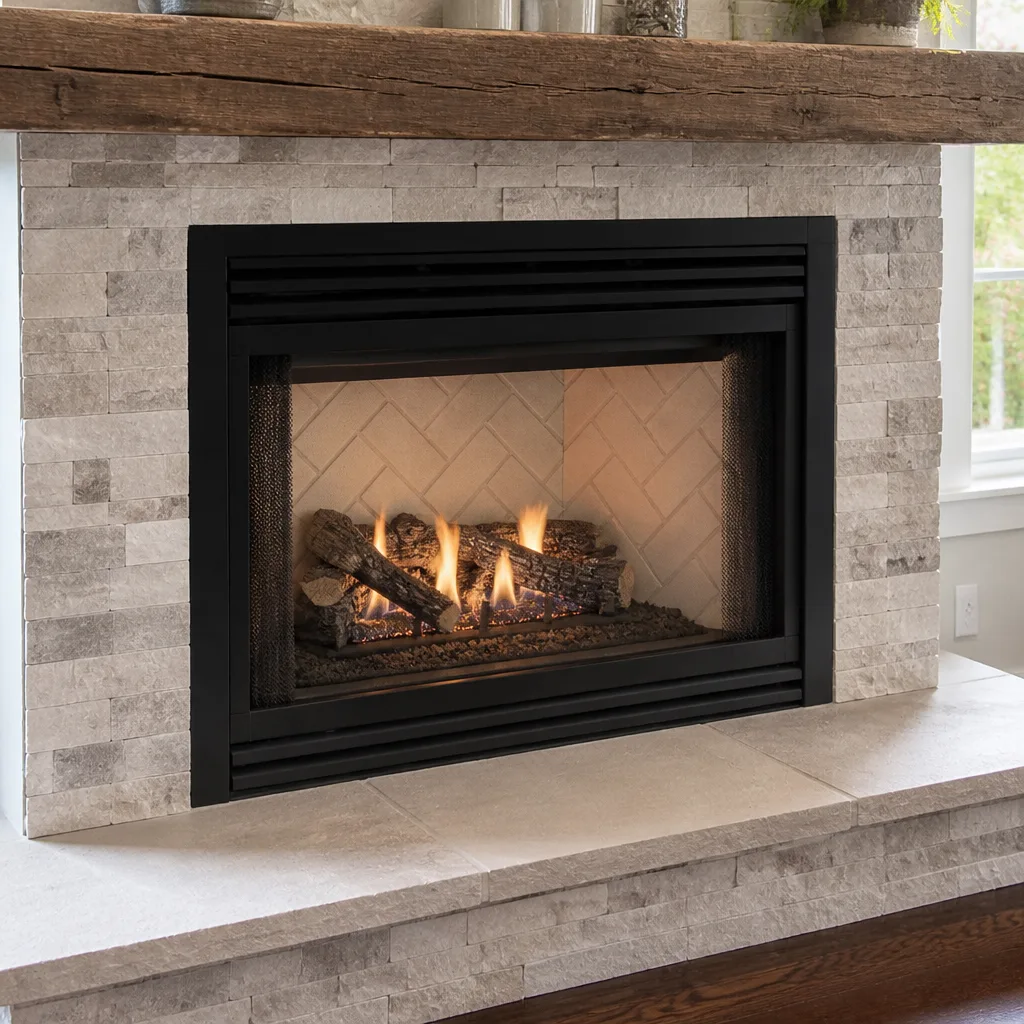 Gas fireplace service
Level 1 sweep and inspection to the NFPA 211 annual standard - flue, crown, cap, and flashing checked and photographed
Chimney sweep logs do not sweep chimneys. They loosen some creosote - which then falls where a brush and vacuum still have to collect it.
How to Hire a Chimney Cleaning Contractor in Stanton: A Step-by-Step Guide
Here’s the part most homeowners don’t learn until something goes wrong: California does not issue a state license specifically for chimney sweeps. There’s no single state credential that proves the person at your door knows what a flue is supposed to look like inside. That means the vetting work falls on you, and in Stanton it’s the difference between a real cleaning and a brush waved at the firebox. This guide walks through exactly how to tell a dedicated chimney specialist from a generalist padding a service menu, which questions to ask before booking, how to verify credentials in minutes, and how to read an estimate line by line so nothing gets slipped past you.
Quick Answer
To hire a chimney cleaning contractor in Stanton, verify CSIA certification on the CSIA website, confirm liability insurance and workers’ comp, and ask whether the sweep includes a rotary brush and a camera-assisted inspection. A dedicated chimney specialist will answer those questions without hesitation; a generalist usually can’t. Expect a written estimate that separates cleaning, inspection, and any level 2 scan as distinct line items.
Styles & brands we work with
- Sweep & inspection
- Caps & crowns
- Flue relining
- Masonry repair
- Gas fireplace service
Table of Contents
- Why Stanton Homeowners Have to Vet Chimney Contractors Themselves
- What CSIA Certification Actually Means
- The Five Questions to Ask Before You Book
- Red Flags in Low-Bid Chimney Offers Around Orange County
- Why the Cheapest Quote in Stanton Usually Costs More
- How to Read a Chimney Estimate Line by Line
- What a Dedicated Chimney Specialist Looks Like
- Common Mistakes to Avoid
- When to Call a Professional
- Frequently Asked Questions
- The Bottom Line
Why Stanton Homeowners Have to Vet Chimney Contractors Themselves
Most trades in California come with a clear licensing trail. Contractors carry a state license number you can look up in a minute. Chimney sweeping isn’t one of those trades. There is no dedicated state license class for a chimney sweep, which means a person with a business card and a van can legally show up at a Stanton home and offer to clean the flue. That’s not a knock on every operator doing the work, but it does mean the credential that matters here is industry certification, not a state license plate on a truck.
Stanton is a small city, roughly nine square miles tucked between Anaheim, Garden Grove, and Westminster. The housing stock is a mix of mid-century single-family homes and denser rental properties. Many of those homes have a fireplace that’s been in place since the 1950s or 1960s, and the chimney systems vary widely: older masonry chimneys with clay tile liners, some retrofitted with inserts, some converted to gas logs. A contractor who mostly does HVAC work and lists chimney cleaning as a tenth line item may not know the difference between a cracked clay tile and a normal hairline joint. A specialist does, because it’s all they look at.
The practical consequence: the vetting burden is yours. That’s not a reason to skip the sweep. It’s a reason to run a two-minute check before you book. When you’re ready to compare, our chimney sweep service page lays out what a proper sweep includes so you have a baseline to hold every quote against.
What CSIA Certification Actually Means
CSIA stands for the Chimney Safety Institute of America, and it’s the credential most often cited in the trade. A CSIA-certified sweep has passed a written exam covering venting, combustion, and chimney construction, and holds current certification through continuing education. It’s not a state license, and it doesn’t replace insurance. What it does show is that the person has been tested on the actual science of how a chimney works, not just how to push a brush up a flue.
The useful part for a Stanton homeowner is that CSIA certification is public and verifiable. You don’t have to take anyone’s word for it.
- Ask the contractor for their full name and CSIA certification number before booking.
- Go to the CSIA website and use the “Find a CSIA Professional” lookup.
- Enter the name and confirm the certification is listed as current, not expired.
- Cross-check the company name on the listing against the one on your quote.
- If the listing doesn’t come up, ask for the individual tech’s credential or book elsewhere.
Whole-crew certification is a plus. A company where only the owner is certified may still send uncertified help to your roof. Ask who will actually be doing the work. That’s a fair question, and a specialist will answer it without getting defensive.
The Five Questions to Ask Before You Book
The questions below separate a specialist from a generalist faster than any review site. They’re not gotchas. They’re the questions a professional expects to hear and answers in plain language. If a contractor stumbles on any of them, that’s your signal.
- “Do you use a rotary brush or just a hand brush?” A rotary brush is powered and reaches the full flue, knocking creosote off the tile walls. A hand brush gets the firebox and the first few feet. If a company can’t tell you which they use, you’re booking a surface cleaning.
- “Will you send a camera up the flue?” A chimney sweep with a proper setup should be able to show you what’s inside the flue on a monitor. If they can’t, they’re guessing about the condition of your liner.
- “Is the inspection separate from the sweep?” A proper inspection produces a written report. A sweep is cleaning. Some companies bundle them, some bill separately. Either is fine if it’s on the estimate. What’s not fine is a “free inspection” that turns into a surprise liner quote.
- “Do you carry liability insurance and workers’ comp?” Ask for a certificate of insurance. A crew on a roof without coverage is a problem for you, not just for them.
- “What’s the estimate, in writing, before anyone gets on the roof?” A written estimate before the work starts is the standard. If a contractor can’t produce one, don’t book.
Five questions, five minutes on the phone. A specialist answers all five without a script. A generalist answers two and deflects on the rest.
Red Flags in Low-Bid Chimney Offers Around Orange County
Low-bid chimney work shows up in Stanton and across Orange County in a few consistent patterns. None of them are about price alone. The cheapest quote is fine if the work is real. The problem is the work that hides behind a low number.
- No insurance certificate. A crew willing to climb onto your roof without liability coverage is a risk you’re carrying. Ask for the certificate before you agree to anything.
- Cash-only, no written estimate. A written estimate protects you and the contractor. Cash and a handshake do not.
- “Free inspection” that ends in a liner quote. This is the classic bait-and-switch. The inspection is used to pressure a same-day decision on a repair you never asked about. If a contractor tells you the liner has to come out before you’ve seen the camera footage, ask to see the footage. A real specialist will show you.
- “Cleaned and inspected” as one vague line item. Proper cleaning and inspection are two different services, and often two different prices. Bundling them into one line muffles what you actually paid for.
- No CSIA credential, no camera, and a brush kit in the trunk. This is the “bought a brush kit last year” category. The work looks the same from the driveway and it isn’t.
- Skipping the cap and crown. A sweep who doesn’t look at the cap and crown is leaving the most common water-intrusion points unchecked. The chimney repair work that follows a missing cap often exceeds the cost of the cap itself.
None of these red flags appear in a Google review. They appear in a phone call and in a certificate of insurance. Make the call.
Why the Cheapest Quote in Stanton Usually Costs More
A low quote for a chimney cleaning in Stanton is often a quote for a visual-only sweep: a hand brush up the firebox, a look up the flue with a flashlight, and a sign-off. There’s no rotary brush, no camera, no written inspection report. From the driveway it looks identical to the real thing. From inside the flue, it isn’t.
Here’s why that gap matters in Stanton specifically. The older housing stock in Stanton includes plenty of mid-century masonry chimneys with clay tile liners. Those liners can develop cracks that are invisible from the firebox and only show up on camera. A sweep that skips the camera doesn’t just miss the crack. It certifies the chimney as safe when it hasn’t actually looked. The next part of the story is a fire or a carbon monoxide call, and neither is a cheap outcome.
The math to run is not “which quote is lowest.” It’s “which quote includes the work I need done.” A quote that separates cleaning, inspection, and camera documentation into clear line items is usually the honest one, even when the total is higher. The work you actually paid for is visible in that breakdown. The work you didn’t pay for is where the low number comes from.
How to Read a Chimney Estimate Line by Line
Chimney estimates use a vocabulary that isn’t obvious if you haven’t seen one before. The three terms that get conflated most often are cleaning, inspection, and level 2 scan. They are not the same service, and they are often separate billable items. Below is what each one covers, so you can read a quote without guessing.
- Cleaning (sweep): The physical removal of soot, creosote, and debris from the firebox, smoke chamber, and flue. Uses a rotary brush on a proper job. Does not typically include a written report or camera footage.
- Level 1 inspection: A visual check of the accessible parts of the chimney and venting system, done during a routine sweep. Covers the firebox, damper, smoke chamber, and visible portions of the flue. Should produce a written report.
- Level 2 inspection (camera scan): A video camera run through the flue to check the full interior of the liner. Required when a home changes hands, when a new appliance is installed, or after a chimney fire or seismic event. This is the one that finds cracks a visual inspection misses.
- Cap and crown inspection: A check of the top of the chimney for water intrusion points. Missing or damaged caps and crowns let water into the masonry and cause damage that shows up months later inside the home.
- Repair line items: Any masonry, liner, or component replacement the inspection recommends. These should be itemized with materials named, not lumped into a single “repairs” line.
When you read an estimate, ask three things. Which of the items above are included. Which are recommended. And which are optional and can wait. A quote that answers all three in writing is a quote you can compare against others without guesswork.
What a Dedicated Chimney Specialist Looks Like
A chimney specialist is a company whose entire business is the chimney, from the firebox to the crown. That distinction matters because the chimney is a system, not a single appliance. A flue that vents correctly at the firebox can still leak at the crown. A cap that looks intact from the driveway can be missing a screen that lets birds into the flue. A specialist sees all of it on one visit because it’s what they look at every day.
At Chimney Sweep Stanton, we work on residential chimney systems only. Our scope covers sweeping, inspection, fireplace repair, structural chimney repair, and cap and crown installation. That means when an inspection turns up something, the same company handles the repair, and you’re not coordinating three contractors on one chimney. We source materials through professional chimney supply chains, including Olympia Chimney and Copperfield, and we install from a lineup that includes DuraFlex stainless-steel liners and HeatShield ceramic flue resurfacing. Those are the same materials specified in certified chimney work, not what you find on a hardware-store shelf.
The repair-first mindset is worth calling out. HeatShield is a ceramic resurfacing system that restores a deteriorated flue from the inside, which gives homeowners an option short of full liner replacement when the damage is within its range. DuraFlex is the stainless-steel flexible liner we install when the flue can’t be safely restored. Repair first, replace when necessary, is the decision order we follow, and it’s the one that saves the most money on a chimney that’s restorable. Our technicians have up to 14 years of experience, and every recommendation is backed by camera footage you can look at yourself before you decide anything.
Common Mistakes to Avoid
- Booking on price alone. The lowest quote in Stanton is often the quote that skips the rotary brush and the camera. Price is a signal, not the decision.
- Not asking for the certificate of insurance. A crew on your roof without liability coverage is a risk you don’t want to discover after the fact. Ask for the certificate before booking.
- Accepting a “free inspection” without asking what it produces. An inspection that doesn’t include camera footage and a written report is a sales visit, not an inspection. Ask what you’ll receive in writing.
- Letting a sweep skip the cap and crown. The cap and crown are the two most common points of water intrusion on a Stanton chimney. A sweep that doesn’t check them has left half the system uninspected.
- Skipping the annual inspection. A chimney that hasn’t been looked at since the last burning season is a chimney whose condition is unknown. Annual inspection before the burning season is the baseline, not a luxury.
- Paying for a “level 2” scan on a chimney that just needed a sweep. The reverse of the classic upsell is just as common. Ask why a level 2 is being recommended, and ask which specific condition in the flue justifies it.
- Confusing a general handyman with a chimney specialist. A handyman can clean a firebox. A chimney specialist can tell you whether the flue liner is safe, which is the reason you booked the visit.
When to Call a Professional
Some chimney work is routine, and some of it is a call to make before the next fire. Book a professional visit if any of the following is true.
You haven’t had the chimney inspected since before the last burning season. You notice creosote buildup inside the firebox, a smoky smell in the room when the fireplace isn’t in use, or smoke coming into the house instead of up the flue. You’ve had a chimney fire, even a small one, or you suspect one. You’re buying or selling a Stanton home with a fireplace. You’re installing a new insert, appliance, or gas log set. You see water stains on the chimney exterior, rust on the damper, or a cap that’s missing, damaged, or bent. Any of those is a reason to book, and the inspection will tell you whether the fix is a cleaning, a repair, or a replacement.
Chimney Sweep Stanton offers free estimates in Stanton. Call (844) 625-7031. We answer 24/7. Fast dispatch from 7am to 7pm, Sunday through Friday. Nothing is recommended without camera evidence you can see for yourself, and we’ll tell you plainly when work can safely wait.
Frequently Asked Questions
Most chimney sweeps in Stanton fall in the range of a typical local service call, and the exact price depends on the flue condition, whether the sweep includes a level 1 inspection, and whether camera documentation is part of the visit. We don’t quote from a phone script; the price is set per job by the written estimate, and the estimate is free. Call (844) 625-7031 for an exact quote.
California doesn’t require CSIA certification for chimney work, so it’s not a legal requirement. It’s the credential that shows the sweep has been tested on venting and chimney construction, and it’s public, so you can verify it on the CSIA website in about two minutes before booking. In a trade with no state license, that verification is the closest thing to a safety check you have. Call (844) 625-7031 if you’d like to compare against our scope.
Once a year, before the burning season, is the standard for a wood-burning fireplace in active use. A gas fireplace that runs often still needs an annual inspection, because the venting and the cap and crown need eyes on them even when there’s no creosote to remove. If you burn often or notice creosote buildup, ask for a check mid-season.
The cheapest quotes are usually for a visual-only sweep: a hand brush in the firebox and a flashlight look up the flue, with no rotary brush and no camera. From the driveway it looks identical to a proper sweep. From inside the flue it isn’t. The difference is in what the quote includes, not in the price alone. Call (844) 625-7031 for a written estimate that itemizes each service.
A cleaning removes soot and creosote. A level 1 inspection is a visual check of the accessible parts of the chimney during the sweep, and it should produce a written report. A level 2 inspection runs a camera through the full flue and is required when a home changes hands or after a chimney fire. They’re often separate billable items on the same estimate, and that’s normal.
Nothing happens, until it does. The condition of the flue and the cap and crown goes unknown, and the two things an inspection exists to catch are creosote buildup that risks a chimney fire and cracks in the liner that risk carbon monoxide in the home. Neither announces itself in advance. An annual inspection before the burning season is the cheapest way to know what you have.
Sometimes. HeatShield ceramic flue resurfacing restores a deteriorated flue from the inside, which is a repair-first option when the damage falls within its range. When the flue is too far gone for resurfacing, a DuraFlex stainless-steel flexible liner is the replacement option. The camera footage from the inspection tells us which way to go, and we show you the footage before recommending anything.
Both. Gas fireplaces still need annual inspection of the venting and the cap and crown, even though they don’t produce creosote the way wood-burning fireplaces do. The chimney system is the same either way. Call (844) 625-7031 to book an inspection.
The Bottom Line
Hiring a chimney contractor in Stanton comes down to a short list of checks. Verify CSIA certification on the CSIA website. Ask for the certificate of insurance before booking. Ask whether the sweep includes a rotary brush and a camera. Ask what the estimate covers, itemized, in writing. Read the quote for the line items that separate cleaning, inspection, and level 2 scan, and treat the cheapest number as a question, not an answer. A dedicated chimney specialist will pass all of those checks without hesitation. A generalist usually can’t pass two. Chimney Sweep Stanton offers free estimates, and every recommendation is backed by camera evidence you can see for yourself. Call (844) 625-7031. We answer 24/7. Fast dispatch from 7am to 7pm, Sunday through Friday. Our full scope is laid out on the Chimney Sweep Stanton page if you want to compare it against what you’re being quoted.
Written by the team at Chimney Sweep Stanton.
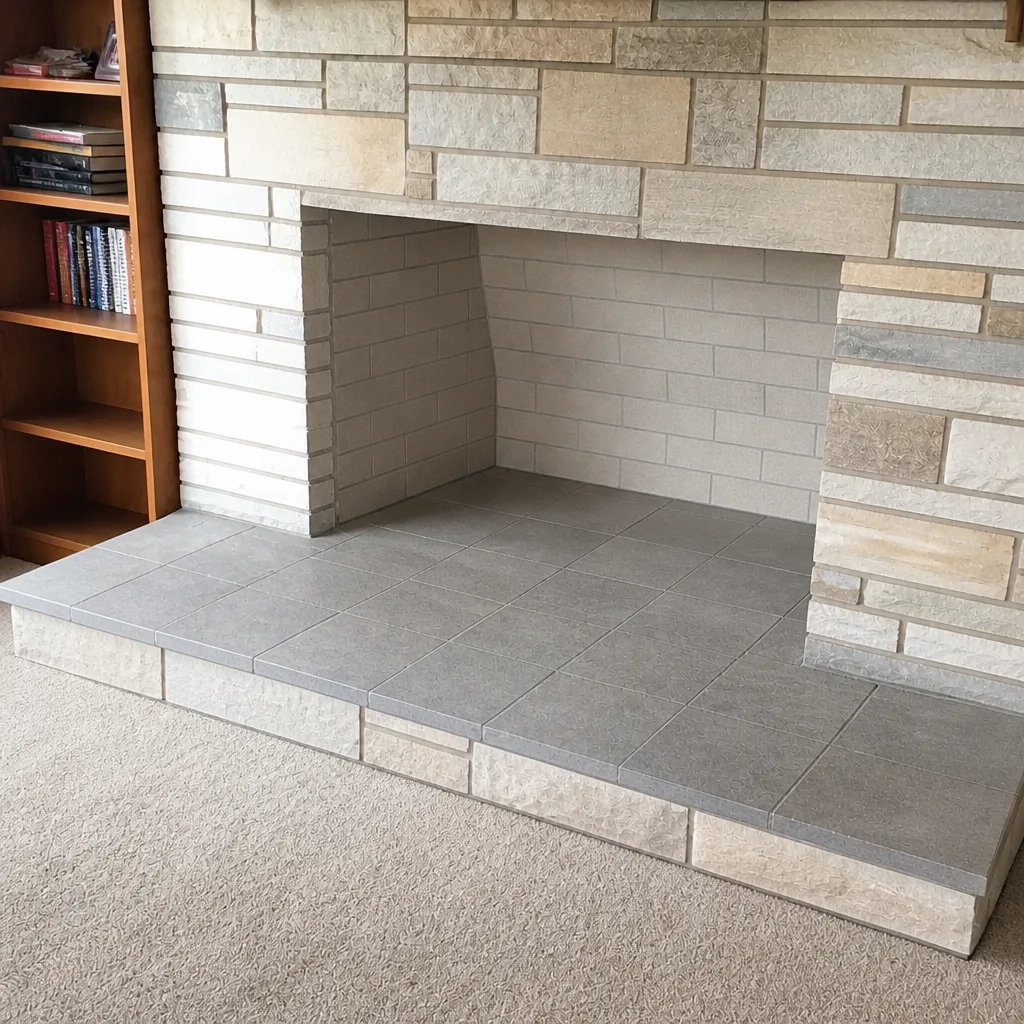
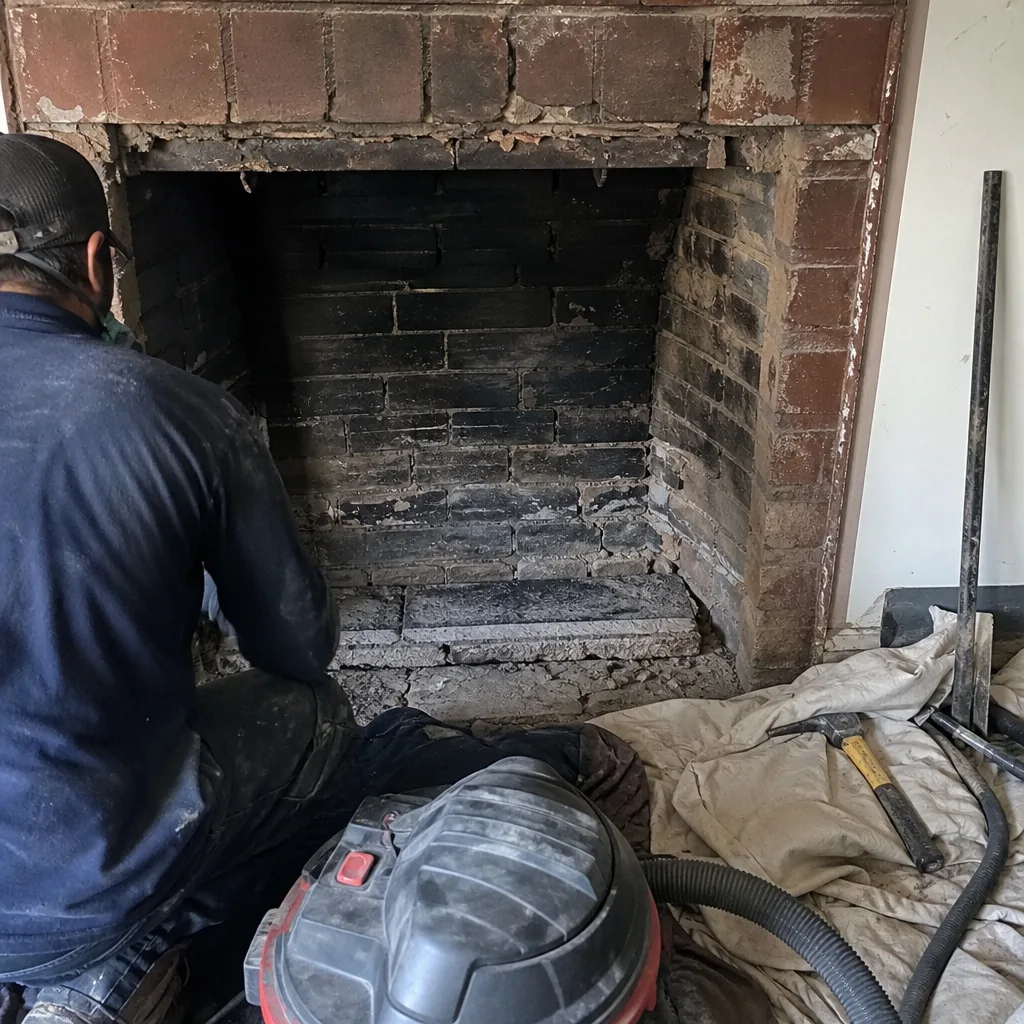
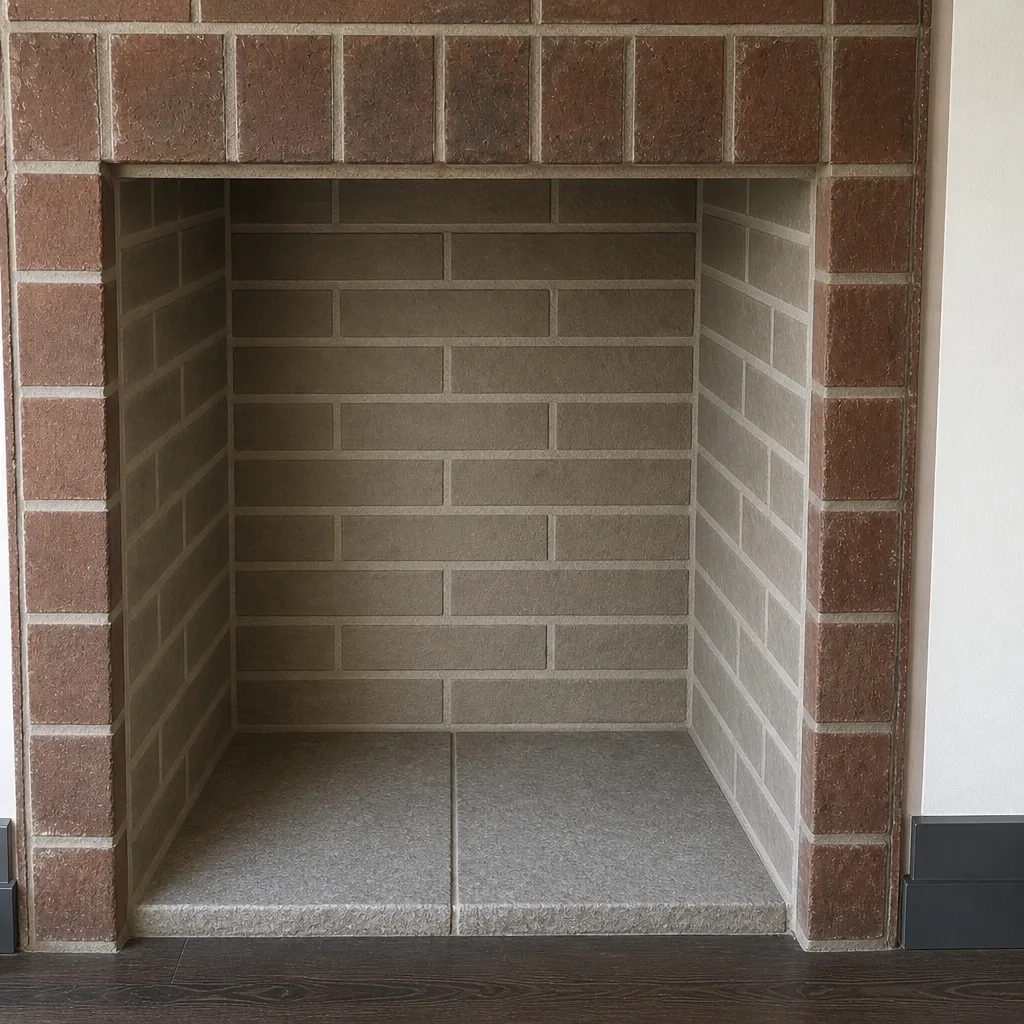
See the difference
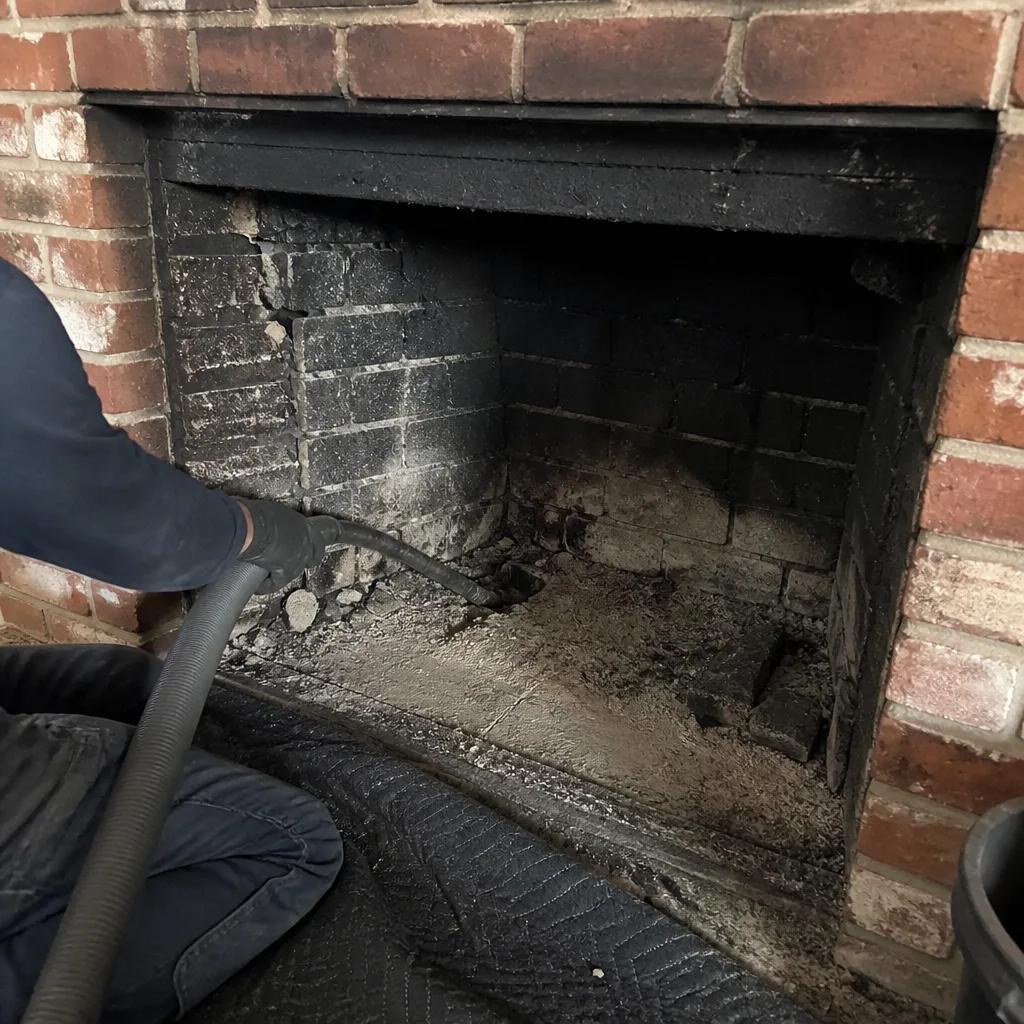 Before
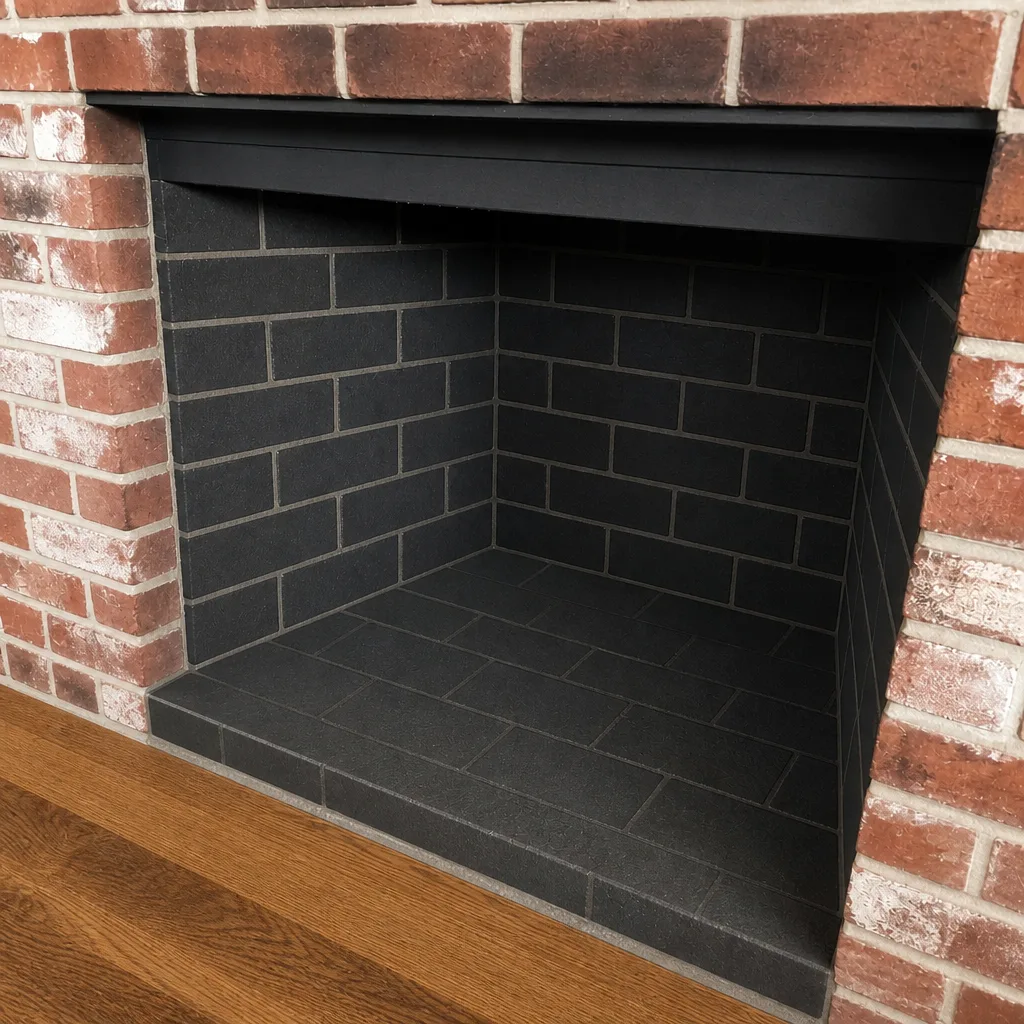 After
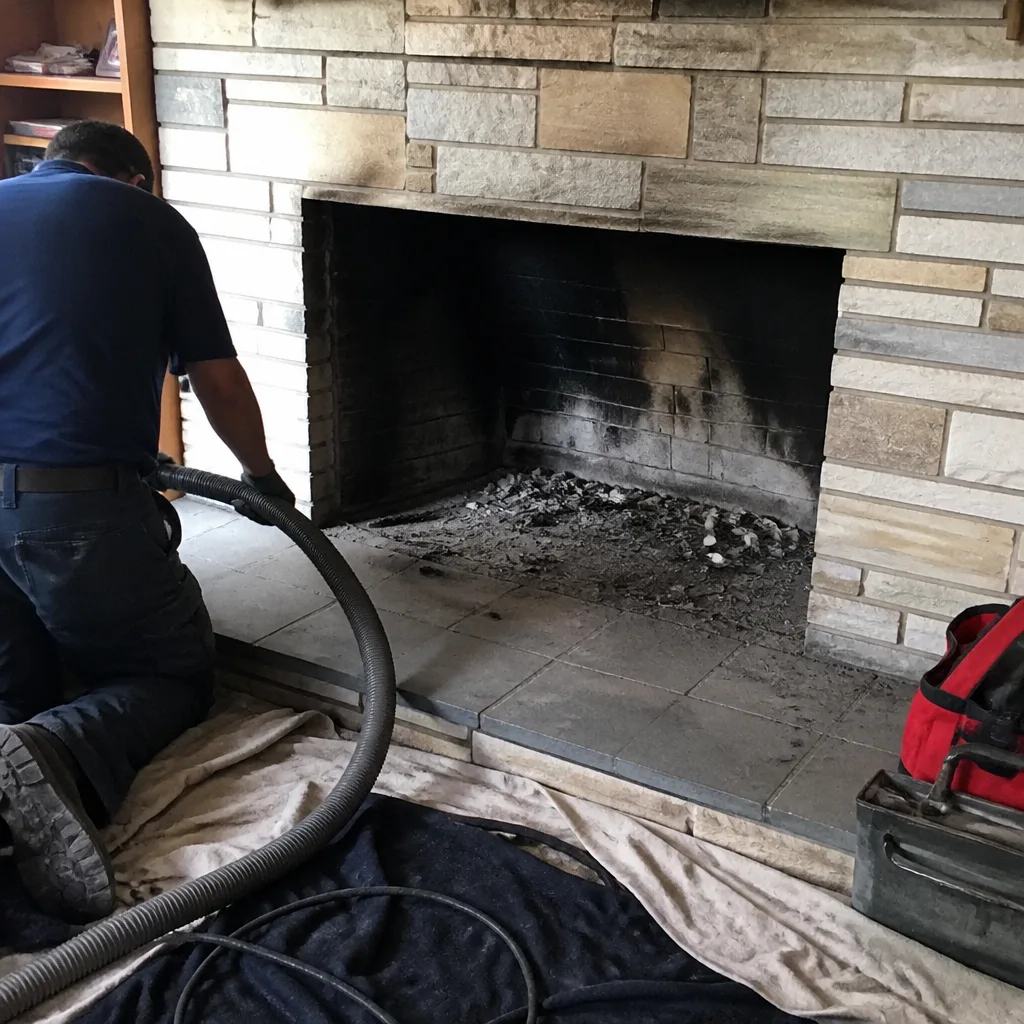 Before
 After
 Before
 After