
Last updated November 25, 2026
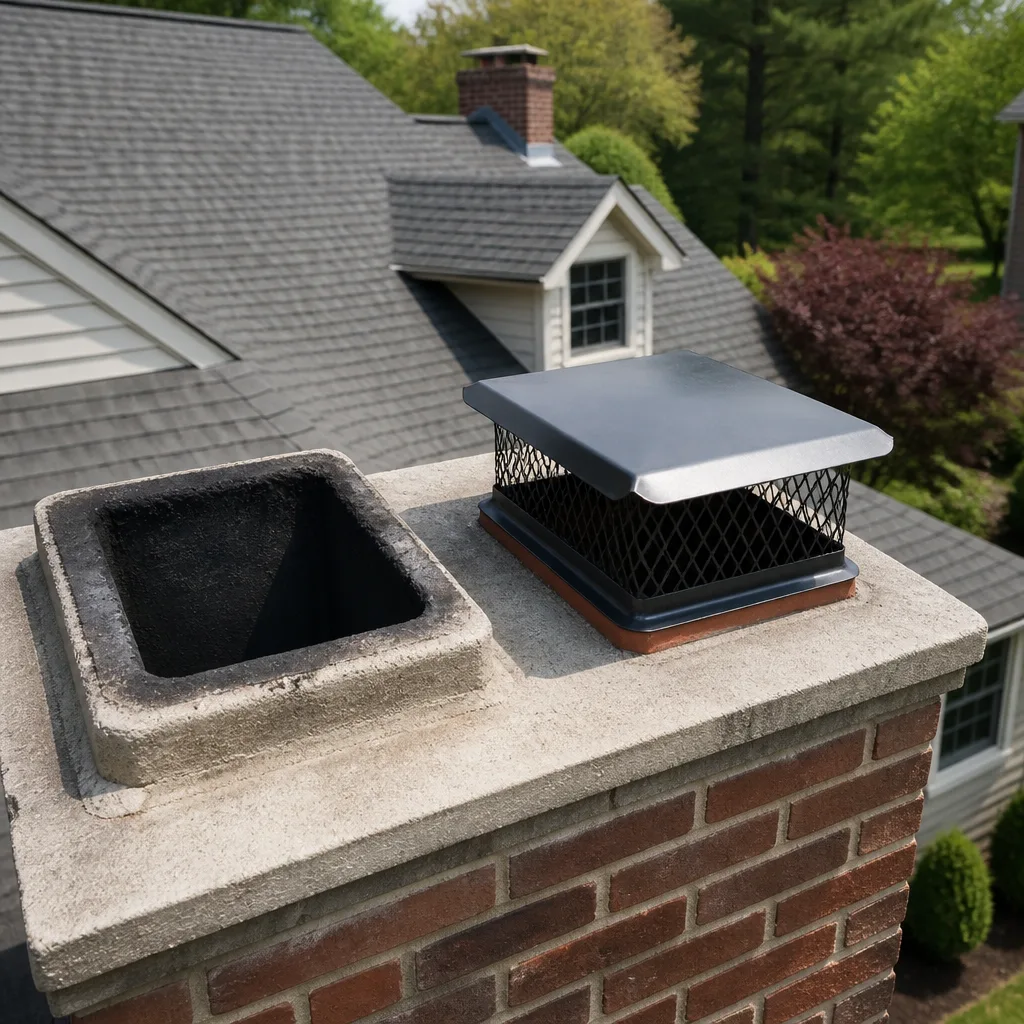 Sweep & inspection
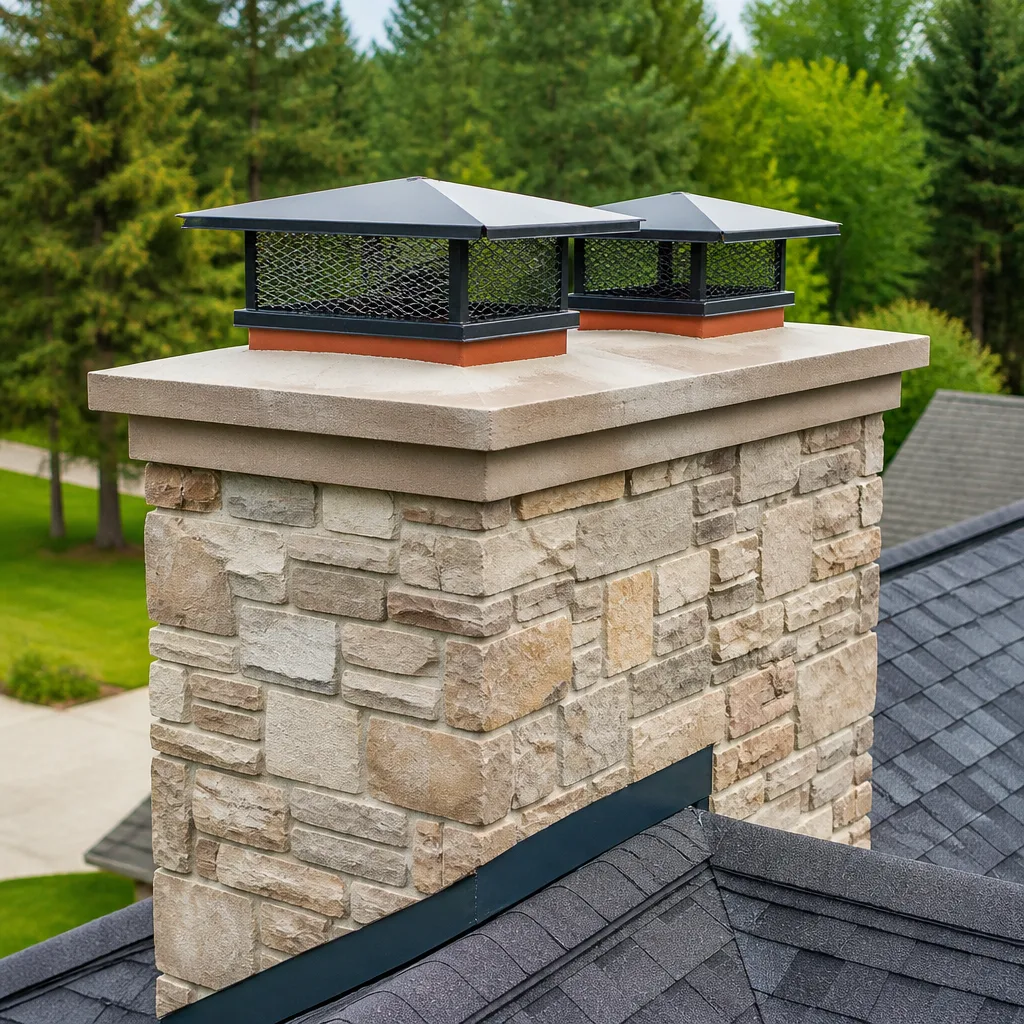 Caps & crowns
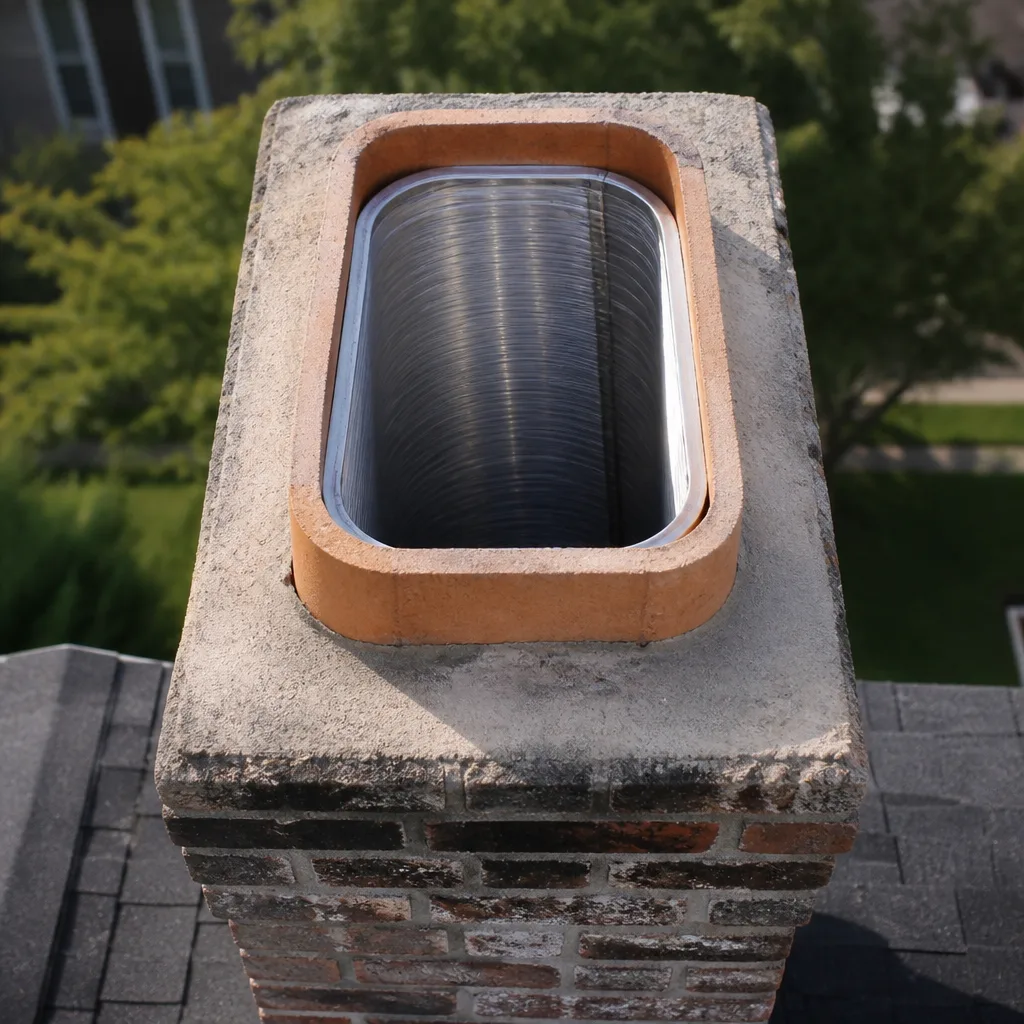 Flue relining
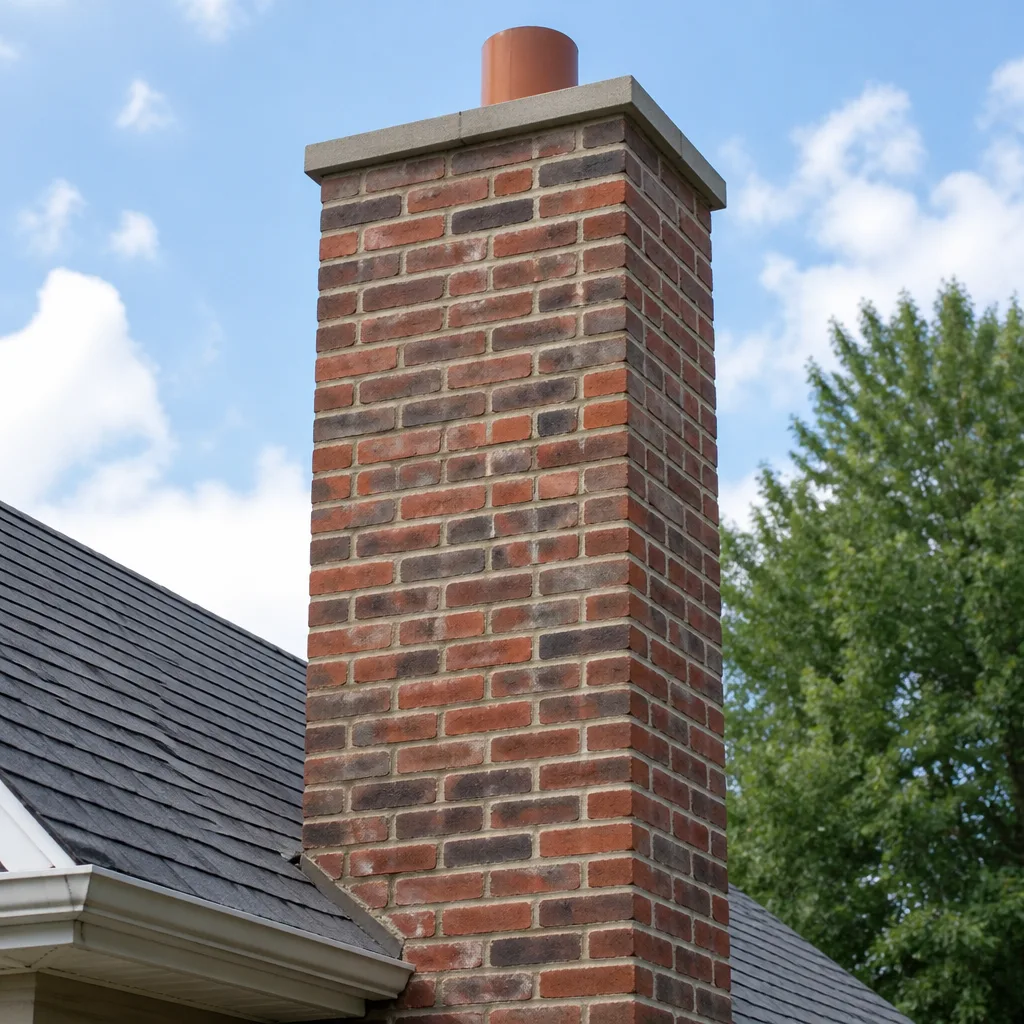 Masonry repair
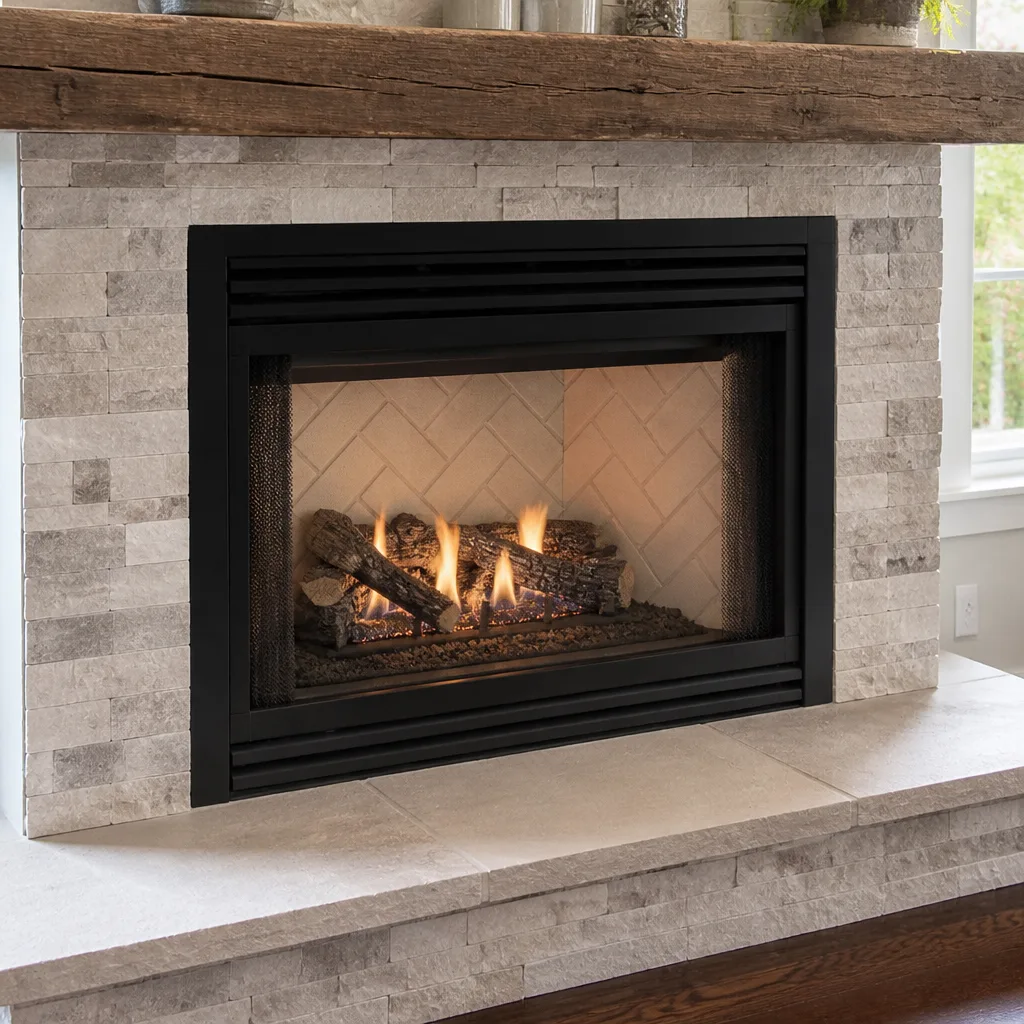 Gas fireplace service
Level 1 sweep and inspection to the NFPA 211 annual standard - flue, crown, cap, and flashing checked and photographed
Chimney sweep logs do not sweep chimneys. They loosen some creosote - which then falls where a brush and vacuum still have to collect it.
Chimney Cleaning Warning Signs: A Stanton Homeowner’s Reference Guide
Most lists of chimney warning signs point you to the obvious ones: smoke rolling into the room, a fire that won’t draw, black creosote crusted on the firebox wall. Those matter, but they show up late. The signals Stanton homeowners actually walk past, month after month, are quieter: a faint white bloom on the exterior brick, a smell that appears only when the wind swings around, a fire that used to light easily and now sulks. Each one traces back to a specific part of the chimney system. In this guide we’ll map those subtle symptoms to their mechanical causes, so you can tell what’s cosmetic, what’s a maintenance item, and what means stop using the fireplace until someone looks at it.
Quick Answer
Chimney cleaning warning signs worth acting on include: a smoky or creosote smell indoors that gets stronger on windy days, white efflorescence staining on exterior masonry, soot streaks above the firebox opening, smoke spilling from the top of the firebox instead of rising cleanly, and a hollow or gritty sound when the damper moves. Any of these suggests deposits, air-pressure problems, or moisture in the flue. A cracked or crumbling flue liner, smoke backing into the room, or a damper that no longer seals are reasons to stop burning and book an inspection.
Styles & brands we work with
- Sweep & inspection
- Caps & crowns
- Flue relining
- Masonry repair
- Gas fireplace service
Table of Contents
- The Symptom-to-Cause Index
- Why Your House Smells Smoky When It’s Windy
- Reading Creosote by Its Smell
- Efflorescence and Water Moving Through Masonry
- Damper or Smoke Shelf? A Tissue-and-Flashlight Test
- What Smoke Behavior Tells You Before a Sweep
- Sounds and Visual Cues That Point to Liner Trouble
- Stop Burning Now vs. Schedule an Inspection
The Symptom-to-Cause Index
A chimney is a system, and each part fails in its own way. When a symptom shows up in the living room, the cause is usually several feet away, up in the flue or out on the crown. This index maps the everyday signals to the component most likely to be behind them. Keep it handy and compare what you’re noticing; the rest of this guide explains each entry in detail.
- Smoky smell indoors, worse when windy: negative pressure in the house, a partially blocked flue, or a damper that doesn’t shut fully.
- Sharp, oily, acrid odor: glazed creosote deposits, usually stage three, clinging to the flue walls.
- Dry, ashy smell that fades: light soot and powder, typically stage one deposits that a routine sweep clears.
- White staining on exterior brick: efflorescence, moisture migrating through masonry via a crack, failed crown, or unsealed cap edge.
- Soot streaks above the fireplace opening: spillage from a flue that isn’t drafting, often from a smoke shelf packed with debris.
- Smoke rolling out at startup, then drawing fine: a cold flue or a smoke shelf that needs cleaning, not necessarily a blocked chimney.
- Hollow rattle or gritty scrape at the damper: rust or deterioration on the damper plate or frame.
- Ticking or flaking sounds after a fire: creosote cooling and contracting, or masonry spalling behind the firebox.
- Water stains on the ceiling near the chimney: cap, crown, or flashing failure letting water in from above.
Notice how many of these surface in the house rather than at the chimney. That’s the pattern we run into across Stanton: the fireplace gets blamed for a problem that started at the crown, and the fix belongs to cap and crown work rather than another sweep. Matching the symptom to the component saves you from paying twice.
Why Your House Smells Smoky When It’s Windy
A smoky smell that appears only on breezy days usually means the house is pulling air down the chimney instead of pushing it up. That’s negative pressure, and it’s a house problem more than a chimney problem. In a tightly weatherized Stanton home, exhaust fans, a kitchen range hood, and a sealed-up envelope can combine to make the chimney the easiest path for replacement air. Once the chimney becomes the intake, the smell of last winter’s deposits rides that incoming air into the room.
Wind makes it worse because gusts create pressure differences across the roofline. A gust over the ridge can press down on one side of the chimney termination and pull on the other, and a flue with no cap or with a poorly sized cap amplifies that. Homes here often sit close together with rooflines at similar heights, which changes how wind eddies around the chimney top compared with an open lot.
What to check before you assume the flue is dirty:
- Crack a window on the windy side of the house for a minute and see if the smell eases. If it does, pressure is the driver.
- Run the bath fan and range hood at the same time and watch whether the smell strengthens. Stronger smell with fans on points to a supply-air imbalance.
- Look at the chimney top from the ground. Is there a cap? Is it the right size for the flue? A missing or undersized cap gives wind a straight shot down the flue.
- Check the damper. A damper that closes loosely leaves a permanent opening for downdrafts, and no amount of sweeping fixes a gap that stays open.
If the pressure checks out and the smell persists, the deposits themselves are part of the problem. A proper chimney sweep removes the soot and creosote that hold odor, and we’ll tell you whether a cap or a damper adjustment is what actually keeps the smell out.
Reading Creosote by Its Smell
Creosote doesn’t announce itself the same way twice. The smell changes as deposits mature, and the smell is one of the few clues you get before an inspection. Two houses can smell completely different and both need work, just not the same work.
Dry and ashy: this is stage one creosote, a light soot-and-powder layer that flakes when touched. The smell is faint, dusty, and easy to ignore. It builds from ordinary burning with reasonably dry wood, and a routine sweep takes it out with brushes. If this is what you smell, you’re on the normal maintenance track.
Oily and sharp: stage two creosote feels tacky and has a sharper, almost chemical edge. It forms when the fire burns cool, with damp wood or restricted air, so the smoke condenses before it leaves the flue. Stage two needs more than a light brushing, and it’s the stage where homeowners start noticing a smell that lingers after the fire is out.
Hard, glazed, and acrid: stage three creosote is a shiny, hardened shell that regular brushes won’t cut. The smell is pungent and stays in the room long after the fire is cold. This is the deposit stage that raises real concern about a chimney fire, and it calls for professional removal before the next burn.
Smell alone won’t tell you the stage with certainty, and we don’t pretend it will. What smell does is tell you whether to book a routine visit or get on the schedule sooner. Wood moisture matters here more than most people expect: seasoned wood burns hot and clean, damp wood builds deposits. Our technicians have up to 14 years of experience reading these deposits, and a camera inspection with a photo report lets you see the stage for yourself.
Efflorescence and Water Moving Through Masonry
A white, powdery stain on the exterior chimney brick is efflorescence, and it isn’t a cosmetic issue. It’s the visible sign of water moving through the masonry: water gets into the brick, dissolves mineral salts inside, migrates to the surface, and leaves those salts behind as a bloom when it evaporates. Where there’s efflorescence, there’s a water pathway. The question is where it starts.
In our experience across Stanton, the pathway usually traces back to one of three places:
- The crown. The crown is the sloped cap of mortar on top of the chimney that sheds water away from the flue. When it cracks, water runs straight down the inside of the masonry.
- The cap or its edge. A missing, loose, or improperly seated cap lets rain enter at the top of the flue, and an unsealed edge lets water get behind the brick.
- A hairline crack in the masonry itself. You often can’t see it from the ground. Water finds it, and efflorescence appears at the surface some distance from the actual crack.
This matters in Stanton specifically. The soil here is seismically active, and small ground movement is a fact of life. Ground movement doesn’t usually damage the chimney directly, but it does stress the connections where the chimney meets the house, opening the sort of hairline pathways that water follows. That’s the point most articles skip: the stain you see on the brick and the crack behind it can be feet apart.
Left alone, water in masonry leads to spalling brick, crumbling mortar joints, and eventually interior damage around the chimney breast. Cap and crown work addresses the two most common entry points, and we handle both. If you’re seeing white bloom on the exterior, that’s the point to have it looked at rather than painted over.
Damper or Smoke Shelf? A Tissue-and-Flashlight Test
Two parts of the fireplace fail in similar ways and get confused constantly: the damper and the smoke shelf. The damper is the metal plate that seals the flue when the fireplace isn’t in use. The smoke shelf is the ledge just behind the damper, at the base of the flue, that helps turn smoke upward. A bad damper leaves you with a drafty, smelly room. A dirty smoke shelf leaves you with smoke in the room. You can usually tell them apart without opening the firebox.
The tissue test for the damper. With no fire burning, open the damper and look up with a flashlight. The plate should move freely and seat flat when closed. Now hold a tissue near the gap between the damper plate and its frame with the damper closed. If the tissue flutters, air is moving through a damper that should be sealed. That flutter means cold air, odor, and downdraft are getting past it, and the damper is your culprit.
The flashlight test for the smoke shelf. Open the damper and shine the light up and back toward the smoke shelf. You’re looking for a ledge that should be clean and smooth, and instead you find soot buildup, debris, or a rough, crumbling surface. A clogged smoke shelf deflects smoke forward into the room instead of up the flue. That’s why the fire draws poorly on the first light and settles down once the flue warms.
One more clue: a damper that rattles hollow or scrapes when you work the handle is often rusted or warped, which is a repair question, not a cleaning one. We handle fireplace repair as part of the same visit, so a failing damper doesn’t get left for a second contractor. If both tests point to trouble, that’s your answer: get it inspected.
What Smoke Behavior Tells You Before a Sweep
Watch the smoke, not just the fire. How smoke behaves in the first ten minutes of a burn tells you a lot about the condition of the flue, and it shows you things a visual look from the hearth will miss.
- Smoke rolls out over the lintel, then settles back: a cold flue or a smoke shelf that needs cleaning. Common at the start of the season, and often normal until the flue warms.
- Smoke curls and hovers, never quite rising: the flue isn’t drafting, which can point to a partial blockage, a collapsed liner section, or pressure problems in the house.
- Smoke puffs back with each gust outside: wind pressure is beating the draft, usually because the chimney termination is too low, uncapped, or crowded by nearby rooflines.
- Smoke drifts out evenly and the fire won’t stay lit: the flue is undersized for the firebox or blocked, and the fire is starved of draft.
Smoke behavior is also how you catch a problem early. A flue that drafted fine last winter and now spills on every light is telling you something changed: deposits built up, a liner section shifted, or the cap came loose. The change is the signal, more than the smoke itself. If your fire drew well before and doesn’t now, that’s a reason to book an inspection before the burning season rather than muddle through.
We inspect with a camera and give you the photo report so you can see the flue for yourself. You shouldn’t have to take a technician’s word for a problem you can’t see, and the report means you don’t have to.
Sounds and Visual Cues That Point to Liner Trouble
Chimneys are quiet, which is why the sounds that come from one are worth taking seriously. A healthy chimney makes almost no noise beyond the fire and the draft. When you hear something, it’s usually one of a few recognizable things.
Ticking and flaking after a fire dies down: this is often creosote cooling and contracting, and it’s the sound of deposits that have built to a significant layer. Not an emergency, but a signal to book a sweep.
A gritty scrape when the damper moves: rust and grit on the damper frame, pointing to moisture that has reached the firebox. Moisture at the damper usually traces upward, to the smoke chamber or the crown.
Rattling or hollow clunks from inside the chimney: this can mean a piece of the flue liner has come loose and is resting against the masonry. Stop using the fireplace and have it inspected before the next fire.
On the visual side, look for soot streaking above the firebox opening, which means smoke is escaping past the damper and staining the face of the fireplace. Look for crumbling mortar at the smoke chamber, visible with a flashlight when the damper is open. And check the exterior for missing bricks, loose flashing, or a crown that has separated from the flue tile. Liner deterioration shows up as flaking masonry or a rough, uneven flue interior when we run the camera, and it’s the reason we keep chimney repair in-house rather than sending it out. Where the liner has failed, a stainless-steel flexible liner like DuraFlex is a common repair, installed to the standards the trade recognizes for relining a deteriorated masonry flue.
Stop Burning Now vs. Schedule an Inspection
The hardest call for a homeowner is whether a sign is urgent. Here’s a plain dividing line, drawn from what actually changes the risk.
Stop using the fireplace immediately if:
- Smoke is coming back into the room and the fire won’t stay lit, which suggests a blockage.
- You smell a sharp, acrid odor even when the fireplace is cold, which points to heavy glazed creosote.
- The damper no longer opens or closes at all.
- You hear rattling or scraping from inside the chimney when the fire is burning.
- There are cracks in the firebox or smoke chamber masonry large enough to see.
Those signs each raise the risk of a chimney fire or carbon monoxide coming back into the living space. We don’t say that to alarm you. We say it because the risk is real and the fix is usually straightforward once the cause is identified.
These can wait for a scheduled inspection:
- A routine smoky smell on windy days that clears once the fire is lit.
- Faint white efflorescence with no interior water stains.
- Light soot streaks above the firebox after ordinary use.
- A fire that’s slower to light than it used to be, with no other symptom.
Waiting isn’t a free pass; it means the work is scheduled before the burning season, not that it’s optional. We’d rather you know the difference than guess.
Common Mistakes to Avoid
- Treating efflorescence as a stain to paint over. Sealing the surface traps moisture inside the masonry, so the white bloom returns and the brick spalls from within. Fix the water pathway first.
- Blaming a smoky room on the firebox when the smoke shelf is packed. Smoke behavior points upward, to the smoke chamber and the flue, more often than it points at the fire itself. Check the full path.
- Assuming a windy-day smell means a dirty flue. In tightly weatherized Stanton homes, it often means negative pressure, and the fix is a cap, a damper, or a supply-air adjustment, not another sweep.
- Skipping the annual inspection because the fireplace still works. A chimney can draft well and still have deposits or a cracked liner that only a camera will find. The inspection is what catches what works around.
- Using damp or unseasoned wood to stretch the supply. It burns cool, builds stage two and three creosote faster, and turns a routine sweep into a bigger job.
- Closing the damper tight to keep cold air out, then burning without checking it opens fully. A stiff damper left partly closed is a common cause of smoking at startup, and a damper that sticks is worth repairing.
- Putting off a cap replacement until water shows up inside. A missing or loose cap is the single easiest water entry point to prevent. Cap and crown work protects the repair work below it.
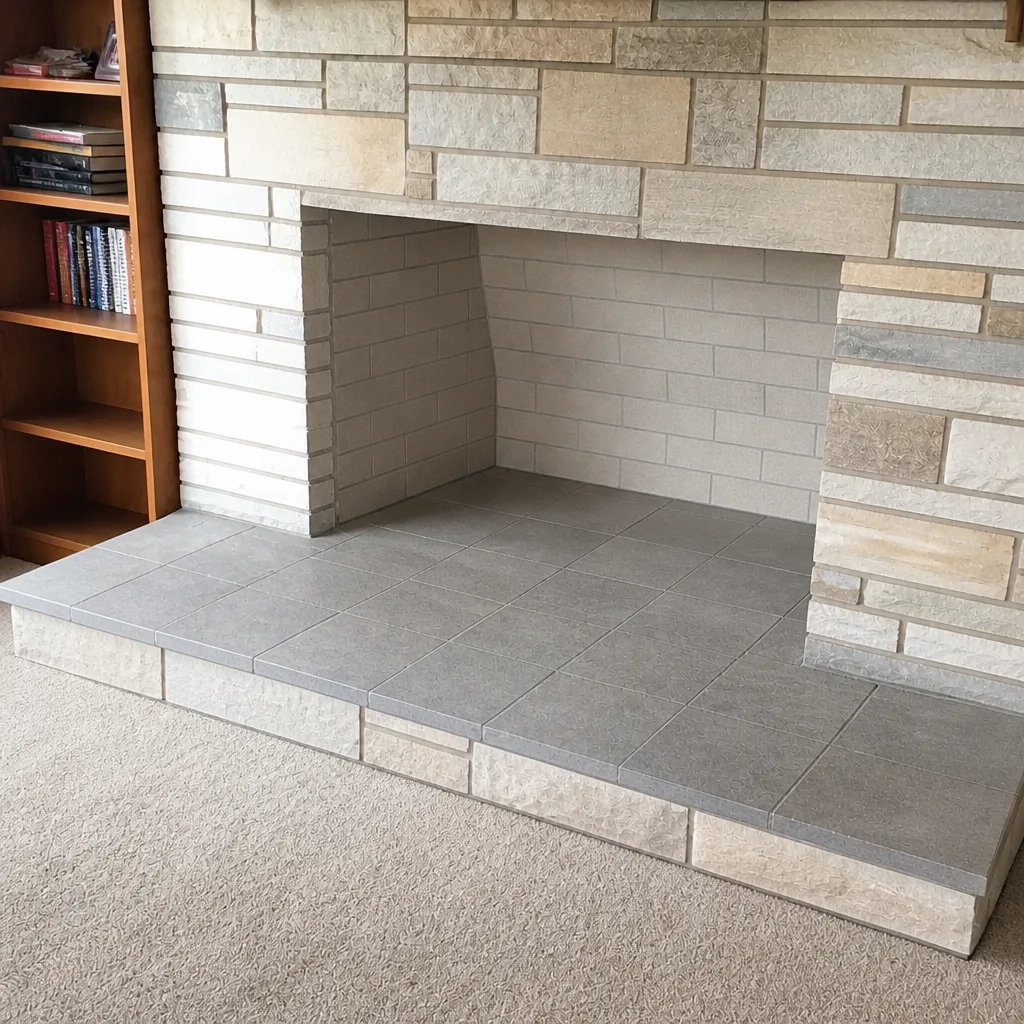
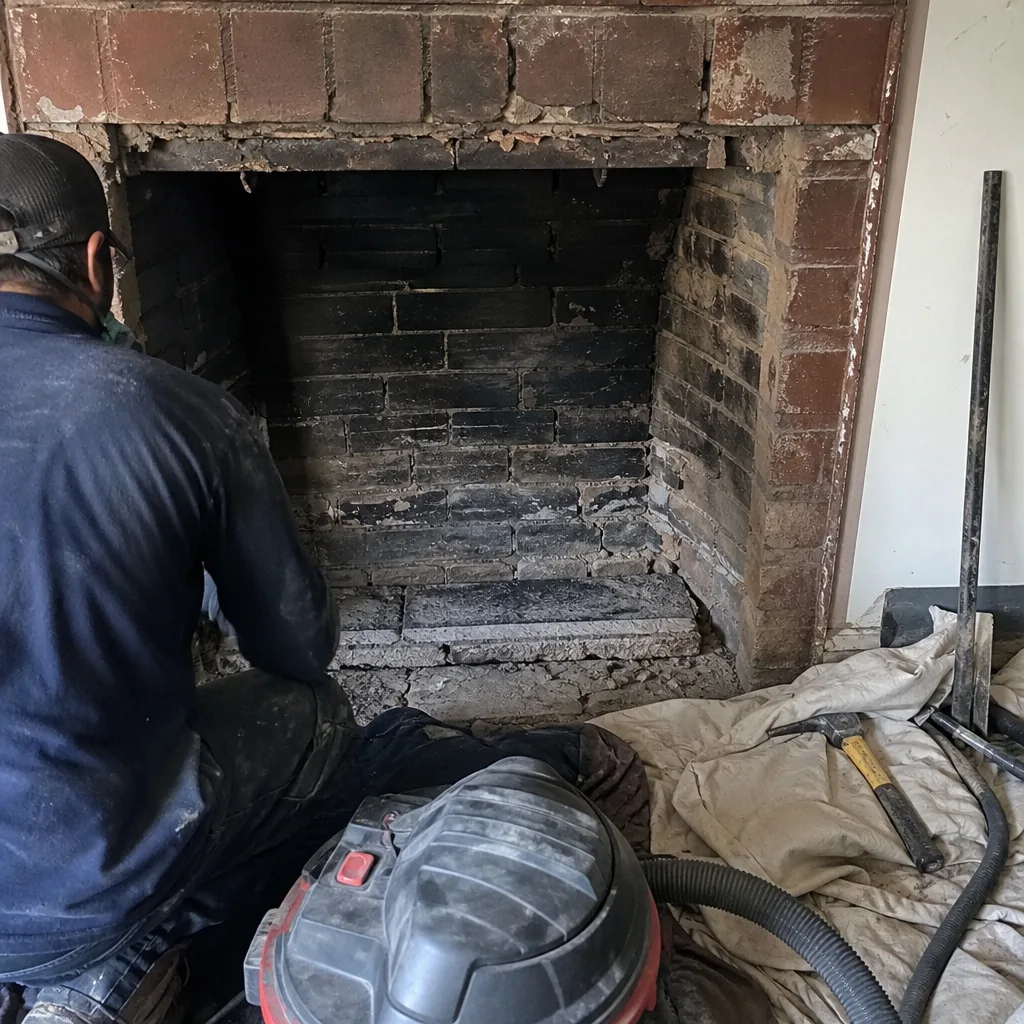
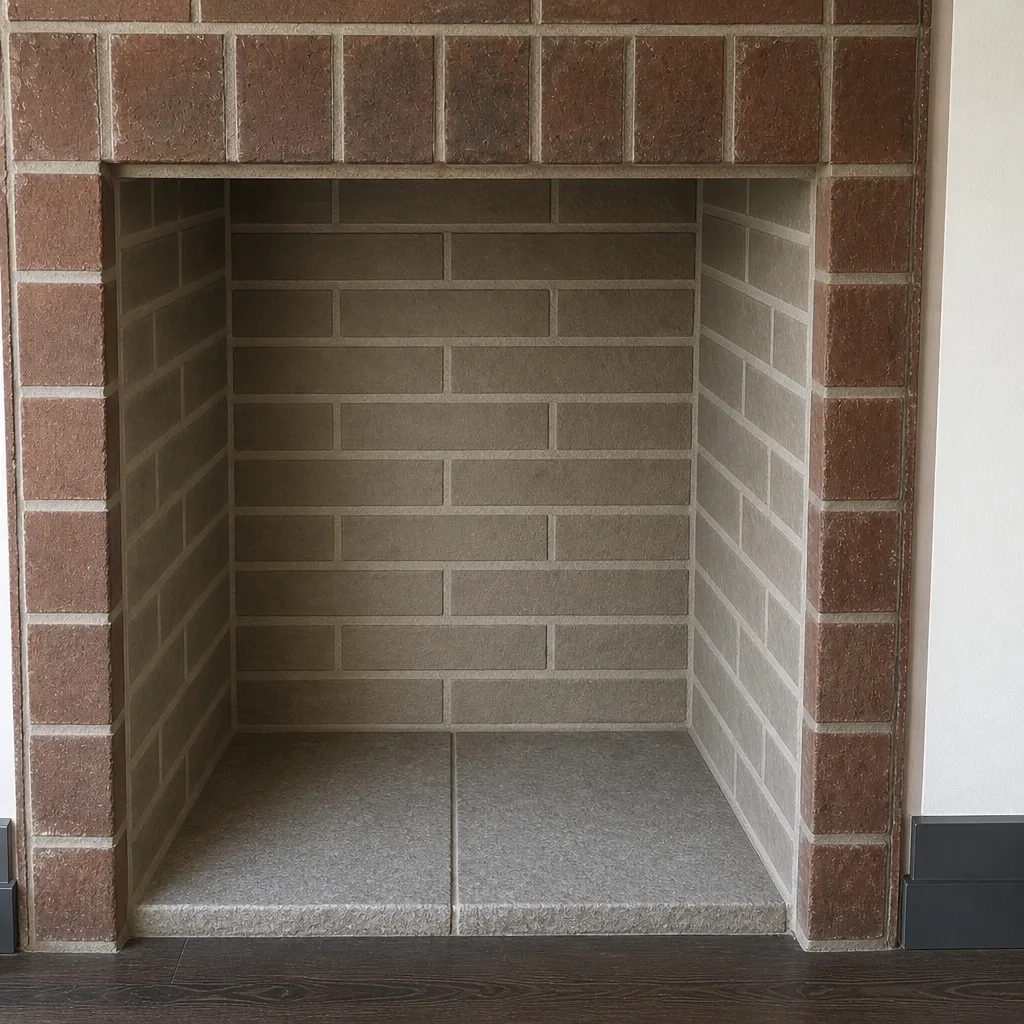
See the difference
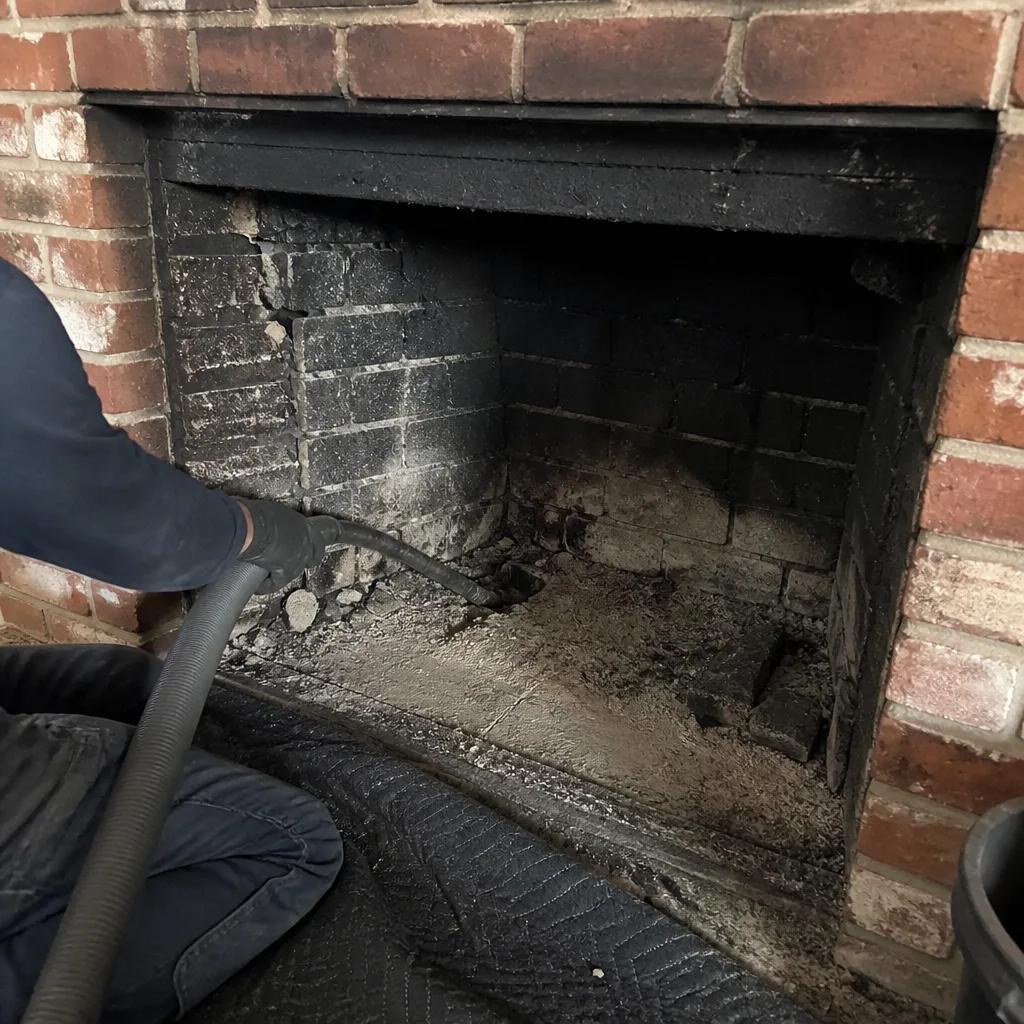 Before
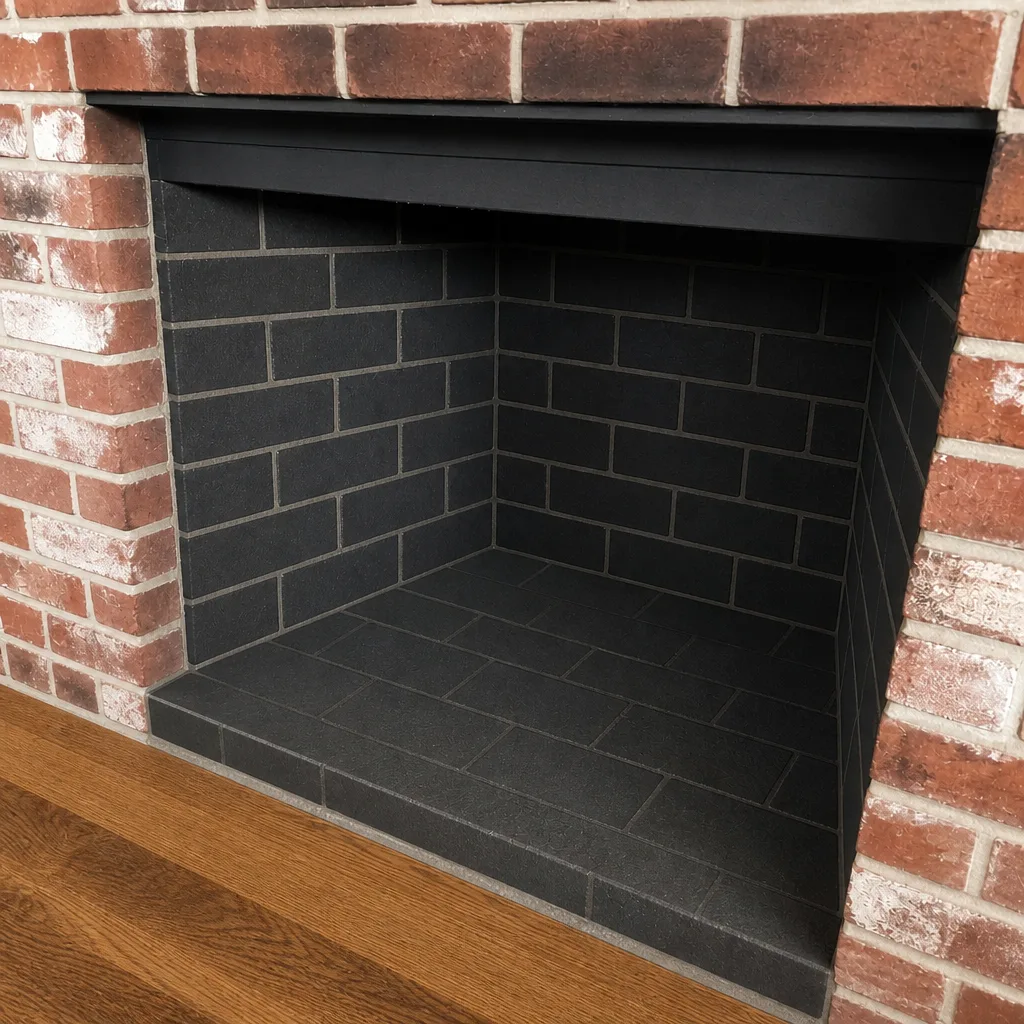 After
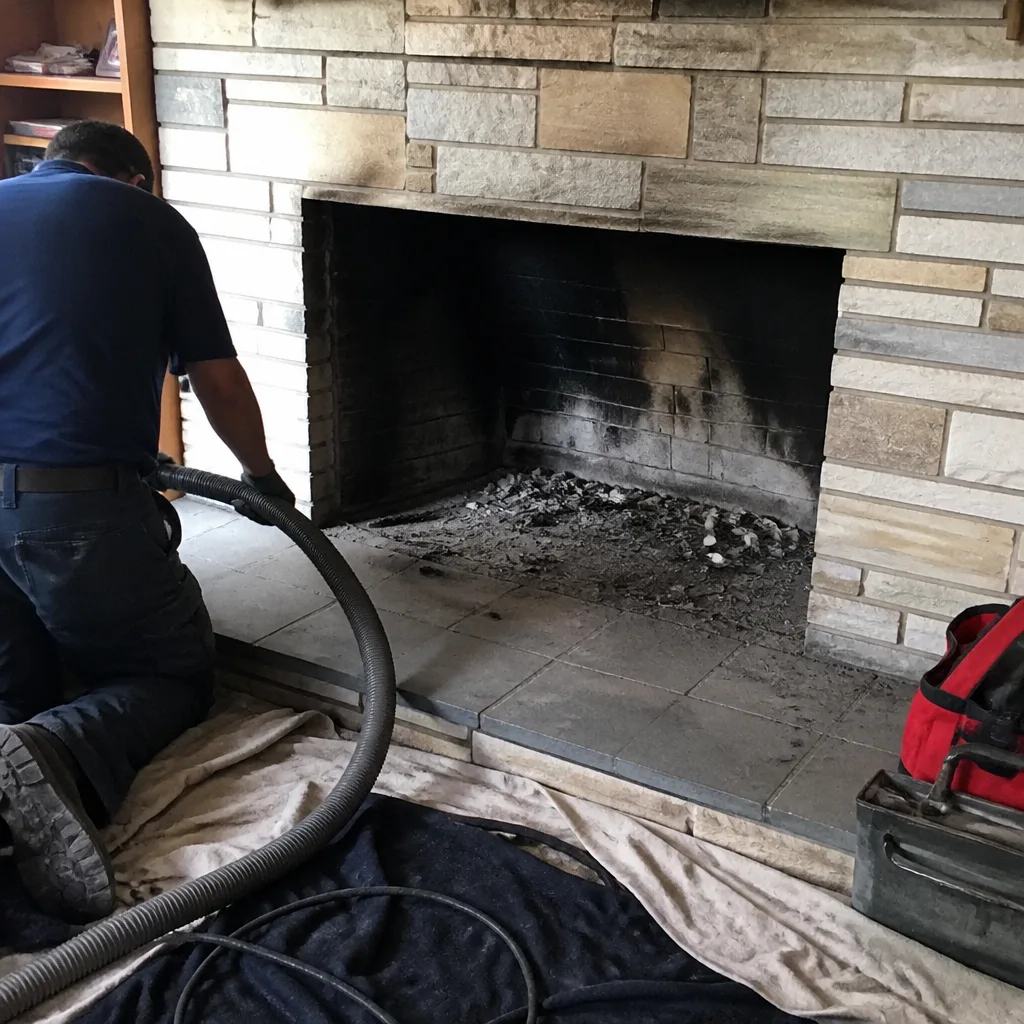 Before
 After
 Before
 After
When to Call a Professional
Call a professional when you can’t see the cause and the symptom keeps returning: smoke that spills instead of rising, an indoor smell that shows up only when windy, white staining on the exterior, soot streaks above the firebox after a normal burn. Call immediately if you see cracked firebox masonry, smell sharp acrid odors when the fireplace is cold, hear rattling inside the flue, or if the damper won’t open. Those signs each raise the risk of a chimney fire or carbon monoxide coming back into the room, and they’re not something to test by lighting another fire. Routine annual inspection before the burning season is the other time to call, even with no symptoms. Chimney Sweep Stanton offers free estimates in Stanton, and we’ll book the work as a sweep, an inspection, or a repair based on what the camera shows. Call (844) 625-7031. We answer 24/7. Fast dispatch from 7am to 7pm, Sunday through Friday.
Frequently Asked Questions
A routine chimney sweep is priced by job, and the written estimate sets the final price. Most sweeps include a camera inspection and a photo report of the flue, so you can see the condition for yourself before any repair is recommended. We give free estimates, so the price isn’t a guess. Call (844) 625-7031 for an exact quote. We answer 24/7. Fast dispatch from 7am to 7pm, Sunday through Friday.
Often it can be repaired, and we lean toward repair first. HeatShield ceramic resurfacing can restore a deteriorated masonry flue in many cases, and we use it as an alternative to full liner replacement where the flue is a good candidate. Where the liner is beyond resurfacing, a stainless-steel flexible DuraFlex liner is the standard repair. Nothing is recommended without camera evidence you can see.
Once a year is the general rule for a wood-burning fireplace, and more often if you burn frequently or burn wood that isn’t fully seasoned. A gas fireplace still needs an annual inspection, even though it doesn’t produce creosote the way wood does. Schedule the annual inspection before the burning season so any issue is caught before the first fire.
Creosote builds up beyond what a routine sweep removes, and stage three glazed creosote raises the risk of a chimney fire. Moisture gets into masonry through a failed cap or crown and slowly damages the flue from the inside. The damage is usually fixable, but it’s cheaper to fix early. Call (844) 625-7031 for an exact quote. Estimates are free.
It’s usually negative pressure, not dirt. A tightly sealed house with exhaust fans and a loose or missing damper becomes the path of least resistance for replacement air, and wind presses air down the flue and carries the smell of deposits into the room. A cap, a damper repair, or the right size termination is often the fix, and a Chimney Sweep Stanton visit can confirm which.
White stain on exterior brick is efflorescence, and it means water is moving through the masonry. The water is the problem; the stain is the evidence. Have it inspected to find the entry point, which is usually the crown, the cap, or a hairline crack. Painting over it doesn’t fix it.
The Bottom Line
The warning signs that matter most in Stanton are the ones you’d walk past: a smell that only shows up in the wind, a white bloom on the brick, a fire that lights less easily than it used to. Each traces to a specific part of the chimney system, and matching the symptom to the cause is what saves you from paying for the wrong repair. Watch the smoke, smell the creosote, test the damper, and check the exterior. Then book the annual inspection before the burning season. The signs that mean stop burning aren’t many, and they’re worth knowing. For everything else, a scheduled look is enough.
Call (844) 625-7031 for a free estimate. We work with you on scheduling so the sweep fits before your first burn of the season.
Written by the team at Chimney Sweep Stanton.