
Last updated November 25, 2026
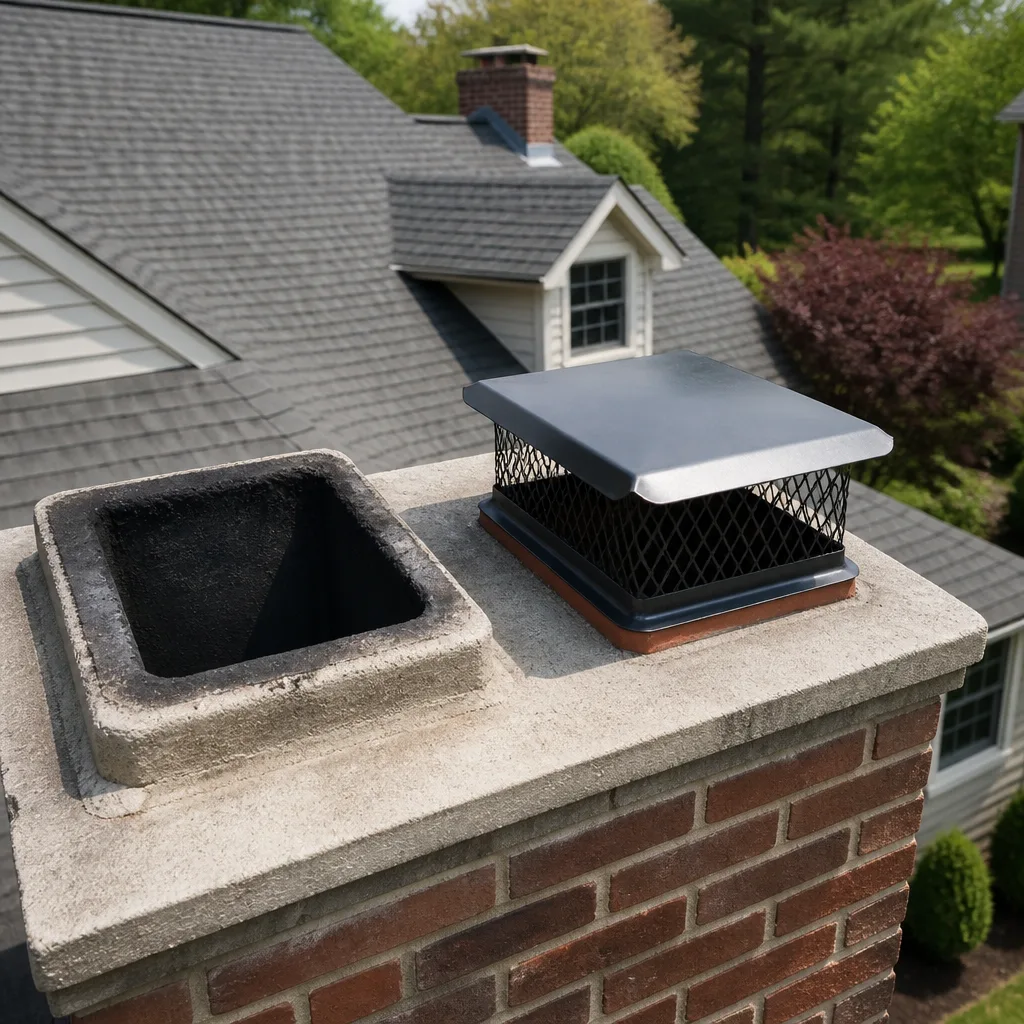 Sweep & inspection
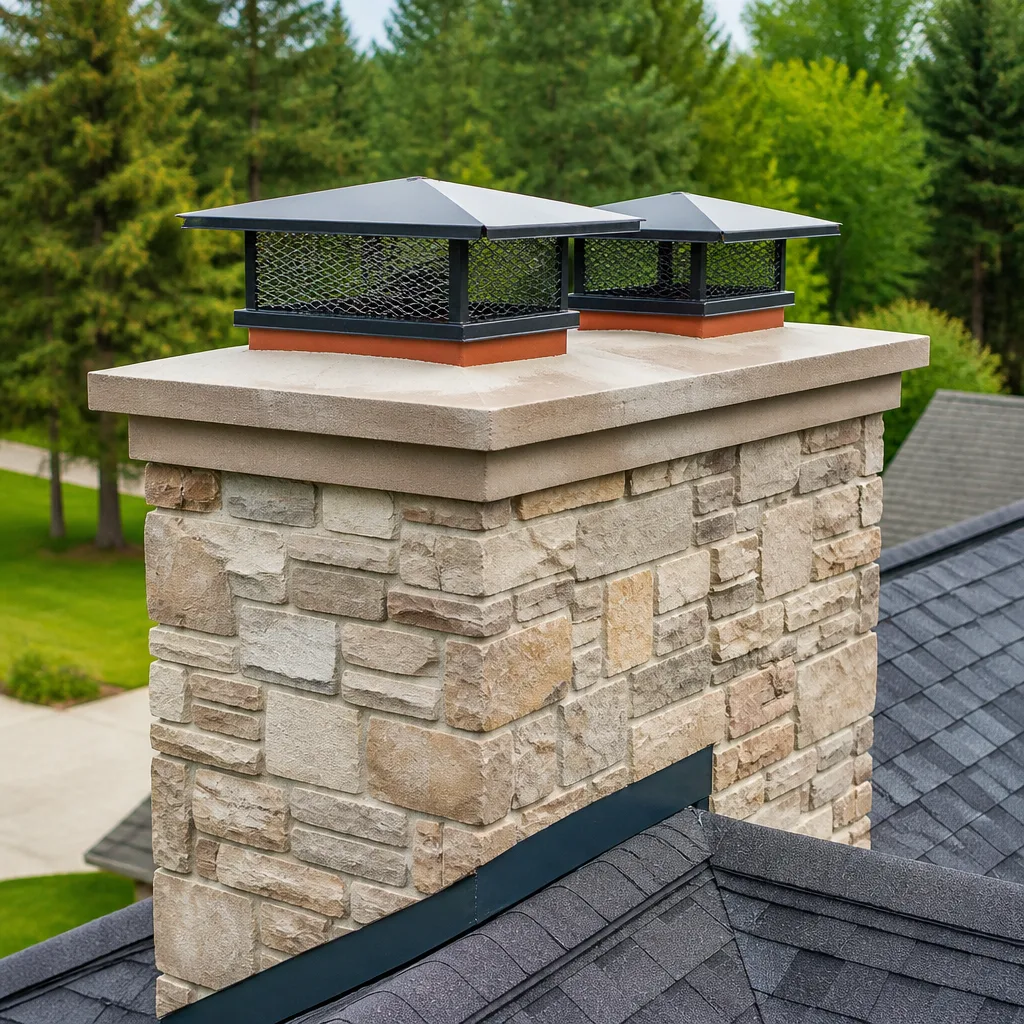 Caps & crowns
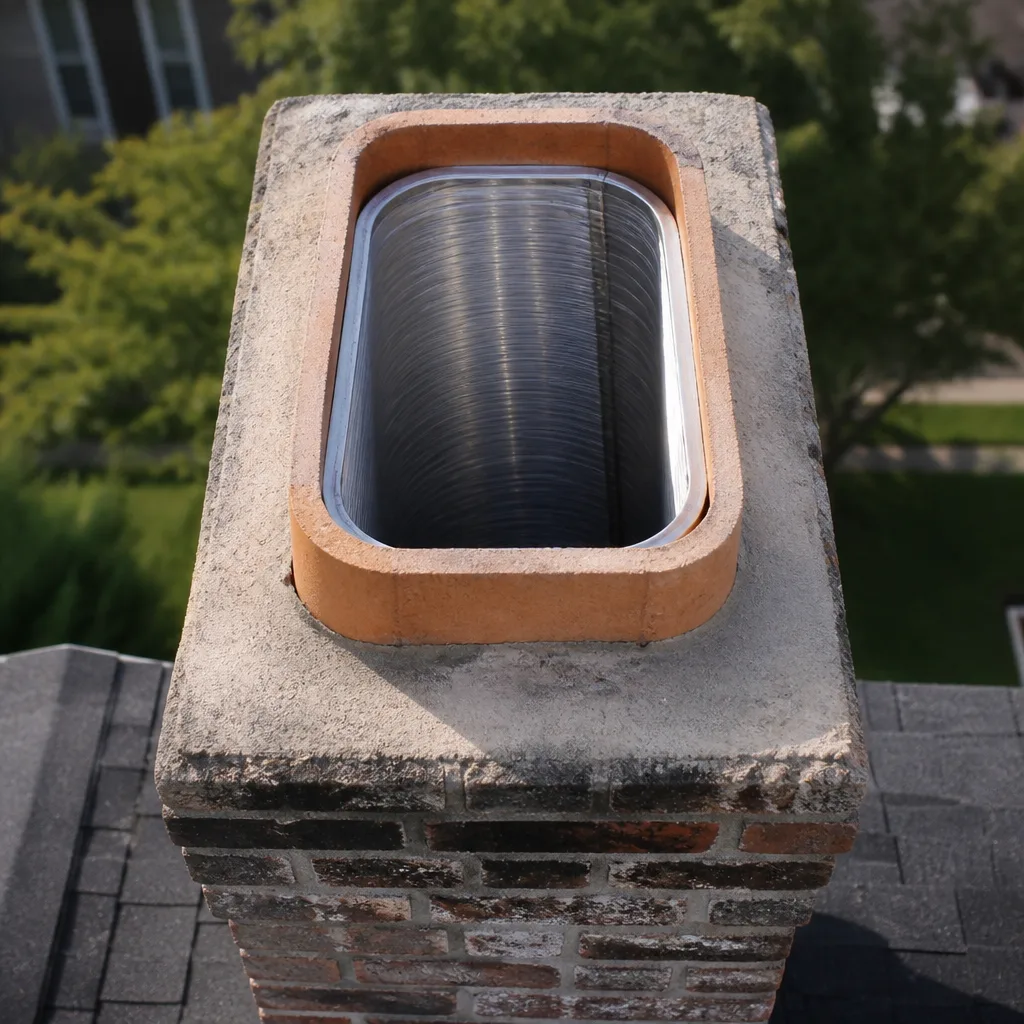 Flue relining
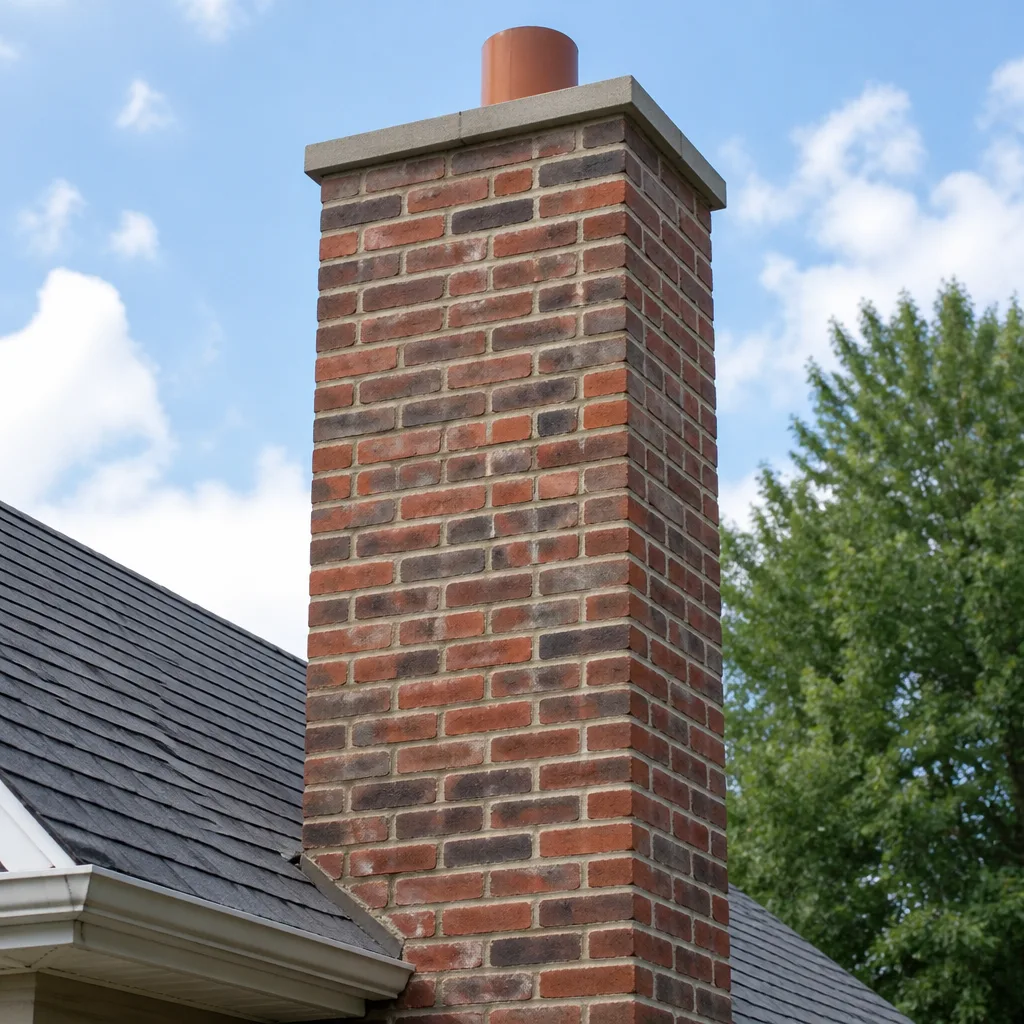 Masonry repair
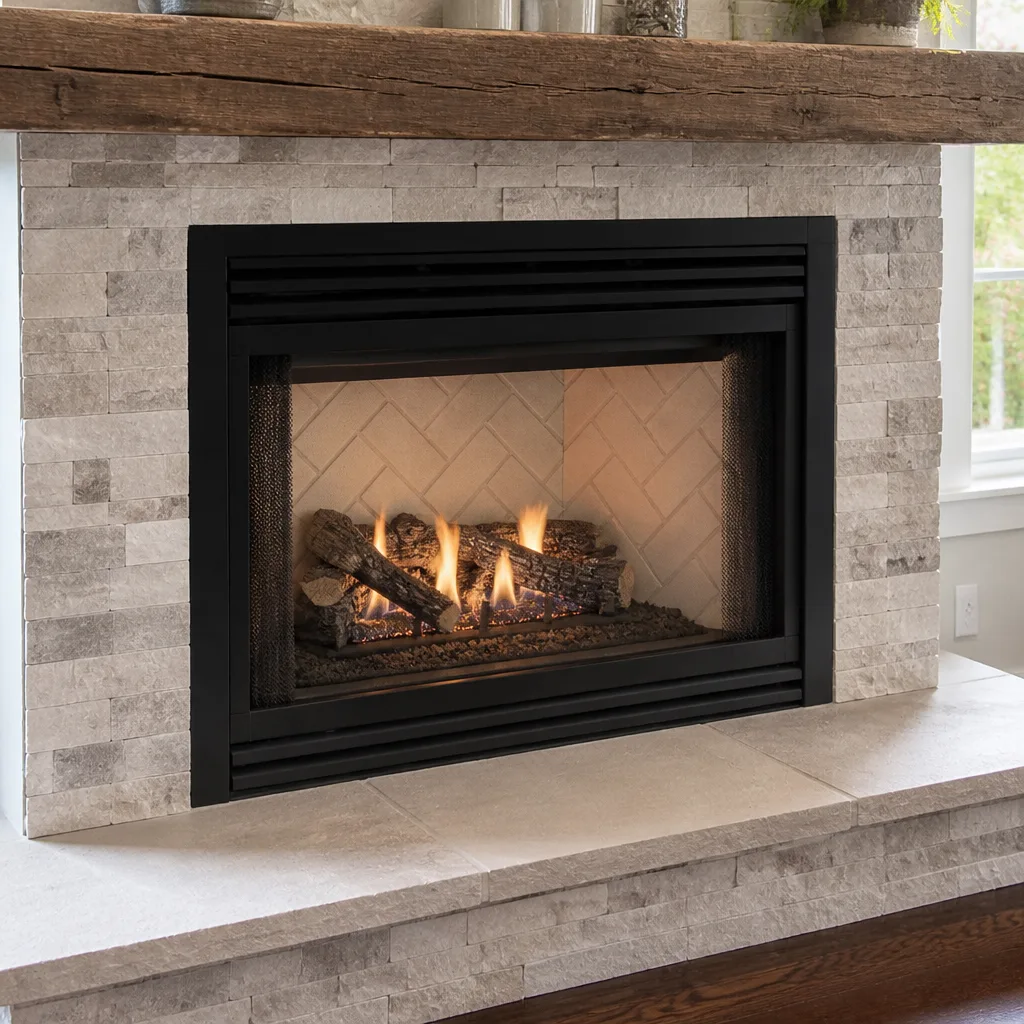 Gas fireplace service
Level 1 sweep and inspection to the NFPA 211 annual standard - flue, crown, cap, and flashing checked and photographed
Chimney sweep logs do not sweep chimneys. They loosen some creosote - which then falls where a brush and vacuum still have to collect it.
Chimney Cleaning Permits, Codes & Inspections in Stanton, CA: What You Need to Know
Almost every Stanton homeowner we talk to assumes two things: that a sweep needs a permit, and that a repair does not. It’s backwards. Routine chimney cleaning in California generally needs no permit at all, while the structural fixes a sweep uncovers – relining, crown rebuilding, firebox reconstruction – can land you in permit territory fast. That line between “maintenance” and “alteration” is the one thing most contractors never spell out upfront, and it’s exactly what this guide covers. You’ll learn which work triggers a permit in Stanton, how air quality rules interact with wood burning, and what surprises buyers and sellers at resale.
Quick Answer
Routine chimney cleaning and sweeping in Stanton do not require a building permit. Structural chimney work – relining, crown replacement, firebox rebuilds, and masonry alteration – generally does, and it typically falls under Orange County building code with local Stanton amendments. A Level 2 inspection report is the document that separates routine maintenance from reportable structural problems, and it’s the one most useful to a home sale.
Styles & brands we work with
- Sweep & inspection
- Caps & crowns
- Flue relining
- Masonry repair
- Gas fireplace service
Table of Contents
- Maintenance vs. Alteration: Where the Permit Line Falls
- How SCAQMD Rule 445 Affects Your Stanton Fireplace
- What a Level 2 Inspection Means for a Stanton Home Sale
- City Inspection vs. CSIA Inspection
- Unpermitted Chimney Work on a Title Report
- How a Stanton Chimney Permit Actually Gets Pulled
- The Inspection and Sweep Schedule That Keeps You Ahead
Maintenance vs. Alteration: Where the Permit Line Falls
This is the part most homeowners learn only after the fact. In Stanton, a straightforward chimney sweep clears creosote, soot and whatever else has built up over a season. It changes nothing about the structure of the system, and it doesn’t require a permit. A repair that goes into the masonry or the flue itself is a different category of work.
Under building code as it’s typically applied across Orange County, work that alters the structural components of a chimney is treated as an alteration. That’s the trigger. Here’s the practical breakdown we give homeowners whenever the question comes up.
- Maintenance, generally no permit: annual sweeping, creosote removal, visual inspection, cap replacement on an existing chase, damper adjustment.
- Usually permit-triggering: relining a flue with a full liner system, rebuilding a masonry crown, reconstructing a firebox, removing or cutting into masonry, changing the flue’s dimensions.
- Depends on scope: spot repointing of a mortar joint, a small crack at the crown, a cap-and-crown package where the crown rebuild is structural.
When work crosses into alteration, your contractor should be pulling the permit before the work starts, not after. A professional-grade liner such as DuraFlex is the right material for relining a deteriorated masonry flue, and installing it is exactly the kind of structural change that gets a permit pulled. That’s not a technicality. It’s the difference between work that shows up clean on a title report and work that doesn’t.
If you’re unsure which category your job falls into, that’s a conversation to have before anyone starts, and it starts with a proper inspection. We’re happy to walk you through it – see chimney repair for the repair-side scope, or call us and describe what you’re seeing.
How SCAQMD Rule 445 Affects Your Stanton Fireplace
Stanton sits in the South Coast Air Quality Management District, and Rule 445 is the rule that shapes wood-burning fireplace use here. It restricts the installation of new wood-burning devices in new construction and requires cleaner-burning units when a device is replaced. It also imposes “no-burn” days – days when residential wood burning is prohibited because air quality is unhealthy.
What does that mean for your chimney’s condition? More than you’d think.
- On no-burn days, you can’t use a wood fireplace. That’s a use restriction, not a cleaning obligation – but it does mean an unmaintained chimney sits unburned for stretches of the year, which lets creosote and moisture damage develop quietly.
- If you’re replacing a wood-burning device, the replacement needs to meet cleaner-burning standards. That’s the district’s rule, and it’s worth confirming with SCAQMD or your city before you buy anything.
- A gas-burning fireplace isn’t automatically exempt from chimney upkeep. Gas appliances still produce byproducts, and the flue still needs to vent correctly. The flue’s condition matters either way.
What Rule 445 doesn’t do is replace the need for a physical inspection. Air quality rules govern what you burn and when. They don’t tell you whether your flue lining is intact or whether the crown is failing. That’s what a sweep and a visual inspection are for, and in Stanton, that’s the maintenance step that keeps everything else in compliance.
A properly functioning system, vented through a proper liner and a capped, intact crown, is a system that’s ready to run when the burning season opens. That’s what we’re after with every chimney sweep we book.
What a Level 2 Inspection Means for a Stanton Home Sale
A Level 2 inspection is the one you want when a Stanton home changes hands. A Level 1 inspection is a visual check of the readily accessible parts of the system, done during a routine sweep. A Level 2 goes further: it includes everything a Level 1 covers plus a closer look at accessible portions of the flue, often with a camera, which is how you find a hidden crack in the liner or a disconnect behind the firebox wall.
The phrase to understand is “accessible.” A Level 2 inspection doesn’t involve dismantling the chimney, but it does involve getting eyes on internals you can’t see from the firebox. A camera inspection produces photographic evidence you can actually look at, and that’s the report a buyer or seller can work with.
So what does a Level 2 report mean at the closing table? Here’s how it typically washes out in Stanton:
- The report documents the condition at the time of inspection. That’s the baseline.
- Findings that rise to the level of a known defect are the sort of thing a seller may need to disclose. California’s disclosure obligations are broad, and a documented chimney defect generally qualifies.
- Once a finding is in a written report, it’s difficult to argue it was never known. The buyer’s inspector will often find it anyway, but a seller’s own report arrives first.
- A clean Level 2 report is a selling document. It puts the chimney question to rest before it becomes a negotiating point.
In our experience, a Level 2 inspection is worth booking before listing a Stanton home rather than after an offer comes in. It’s the difference between knowing what you’re dealing with and finding out mid-escrow.
City Inspection vs. CSIA Inspection
These get confused constantly, and the difference matters. A city inspection is done by a building department official or inspector. It’s tied to a permit. It checks whether the permitted work meets the applicable code. A CSIA inspection is a chimney inspection performed according to standards set by the Chimney Safety Institute of America – a trade-body inspection that documents the physical condition of the system.
Which one carries legal weight? Both, but in different arenas.
- City inspection: carries legal weight in a permit context. It’s what closes out a building permit, and it’s what establishes that structural work was done in compliance with the code. If you’ve had a reline permitted, the city inspection is the signature that makes it official.
- CSIA-standard inspection: carries weight in a disclosure and documentation context. It’s the report a buyer reads, the document that travels through escrow, and the record of what the system looked like at a specific point in time.
Neither one substitutes for the other. A city inspector confirms permitted work complied; a chimney-standard inspection tells you what state the whole system is in. On a Stanton home sale, you generally want the second one. On a permitted reline or crown rebuild, you’ll need the first.
When a sweep uncovers a problem that needs repair, this is exactly the fork in the road. Some work can be done under a standard inspection protocol. Some needs the building department involved. We’ll tell you which is which before anyone touches the chimney. Full scope on the inspection and repair side lives at Chimney Sweep Stanton.
Unpermitted Chimney Work on a Title Report
“Unpermitted chimney work” on a title report means a structural change was made to the chimney without the required building permit – and without the inspection that closes a permit out. It’s the scenario that surfaces at the worst possible moment: after an offer is accepted, when the title company flags the discrepancy.
The most common cases we see in Stanton homes are relines and crown rebuilds that were done quickly and without a permit because someone didn’t want the delay. The work may even be fine. The problem is that nothing in the record proves it was done to code, and that gap is what the title report exposes.
So what can you do about it? Here’s the general path, recognizing the specifics depend on your city’s building department:
- Get the work inspected. A chimney inspection that documents the current condition creates the evidence base. It’s the starting document for everything that follows.
- Contact the Stanton or Orange County building department. Ask what’s required to retroactively permit the work. Some jurisdictions accept an “as-built” permit – a permit for work that’s already done – when the installation can be documented and inspected.
- Have the work reviewed against code. If the original work doesn’t meet code, it may need to be corrected before it can be permitted. That’s the case where a proper liner or a properly built crown makes the difference.
- Get the permit closed out. Once the work passes inspection, the record is clean. That’s what a title company needs to see.
- Document everything. Keep the inspection report, the permit, and the final sign-off together. That package is what travels with the house.
This is work that should start well before a home is listed in Stanton. A retroactive permit gives everyone a paper trail. An unpermitted reline just moves the problem to the next owner.
How a Stanton Chimney Permit Actually Gets Pulled
The permit process for chimney alteration work in Stanton generally follows a predictable sequence. The specifics live with the building department – always confirm there – but here’s how it typically unfolds:
- Inspection first. A chimney specialist inspects the system and produces a written report. That report is the basis for everything that follows. It documents the scope of the required work: the reline, the crown rebuild, the firebox reconstruction.
- Scope and drawings. The permit application needs to describe the work. For a reline, that means the liner system being installed. Professional-grade products such as DuraFlex are specified by name because the permit reviewer needs to see what material is going in. The same is true for crown materials from a supplier like Copperfield.
- Application submission. The application goes to the building department. Depending on the jurisdiction’s process, it may be reviewed over the counter or through a formal submittal.
- Permit issuance. Once the permit is issued, the work can legally begin.
- Work and inspection. When the work is complete, the city inspection closes the permit out. That’s the signature that establishes compliance.
The key mechanic to understand: a permit is a document that an inspector signs off on at the end. Without it, the work has no record. That’s why the work that follows an inspection should be specified by name in the permit scope, and why we name the product – because the product matters, and the reviewer needs to know which one is going in.
If a stove or fireplace insert is involved, the venting and termination details matter too. Components from Famco and Gelco are specified for exactly that reason: code-compatible installations. If you’re sorting out what your scope actually is, fireplace repair covers the firebox-side work that often accompanies it.
The Inspection and Sweep Schedule That Keeps You Ahead
An annual chimney inspection before the burning season is the recurring step that keeps everything else in compliance. In Stanton, that’s a simple rhythm: book the inspection, do the sweep, and get a written report you can act on. It’s the single habit that keeps a chimney out of permit trouble, because it catches deterioration early – while it’s still a maintenance item rather than a structural one.
Here’s the schedule we recommend for Stanton homeowners:
- Once a year, before burning season: a sweep and a Level 1 visual inspection. This is the baseline, and it’s the point at which any small issue can be handled before it becomes a structural one.
- When you notice a change: draft problems, smoke backing into the room, a stain on the ceiling near the chimney, visible creosote buildup, a failing crown, a loose cap. That’s a Level 2 inspection, which is where the camera comes out.
- Before listing a Stanton home: a Level 2 inspection gives you the report a buyer will want to see.
- After any major repair: confirm the work was done as permitted, and get the documentation together.
In our experience, the homeowners who stay ahead of this are the ones who get a one-page estimate before booking the sweep, and who see the camera evidence when a repair is recommended. Nothing is recommended without evidence you can review yourself, and we’ll say plainly when work can safely wait until the next season. The mild winters here don’t create frozen-flue problems, but the burning season is short enough that a clean-start inspection is the most useful thing you can do. Our technicians have up to 14 years of experience with the full chimney system, from the firebox to the crown.
Common Mistakes to Avoid
- Assuming a sweep needs a permit. It doesn’t, and treating it as a permitting project wastes time and money. The permit question starts with structural work, not maintenance.
- Assuming a reline doesn’t need a permit. This is the bigger mistake, and it’s the one that surfaces at resale. A reline is structural.
- Having work done without documentation. A repair that isn’t inspected and permitted leaves no paper trail. That’s the unpermitted work that shows up on a title report in Stanton.
- Treating a CSIA inspection as a permit close-out. These are different documents for different purposes. One documents condition; the other establishes code compliance.
- Skipping the annual inspection because the fireplace “works.” A chimney can be deteriorating quietly while still functioning. The inspection finds what burning doesn’t reveal.
- Ignoring the crown and cap. Water intrusion at the top of the chimney is a common entry point for damage that eventually becomes an expensive interior repair. It’s a preventive step worth handling.
- Buying material at a hardware store and calling it done. Professional-grade components are what the permit scope should specify. A retail substitute is not the same product.
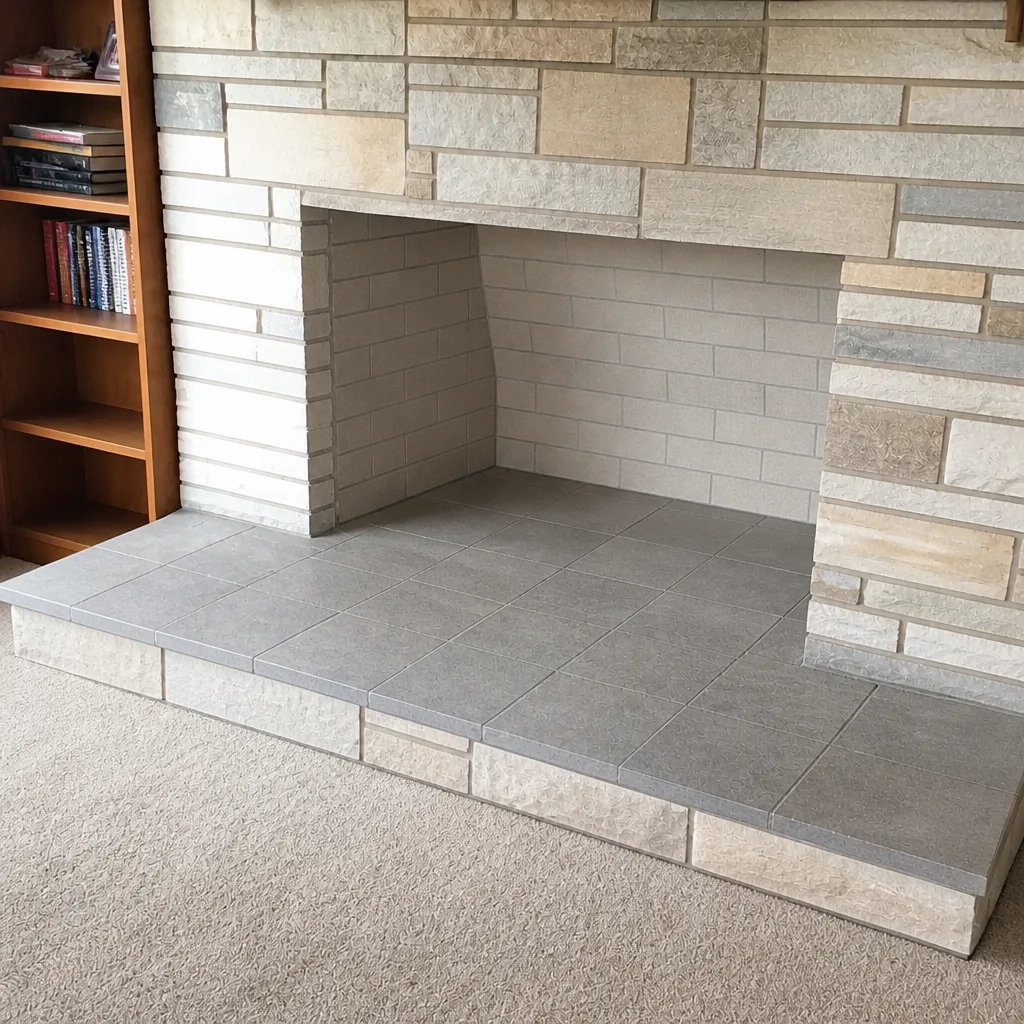
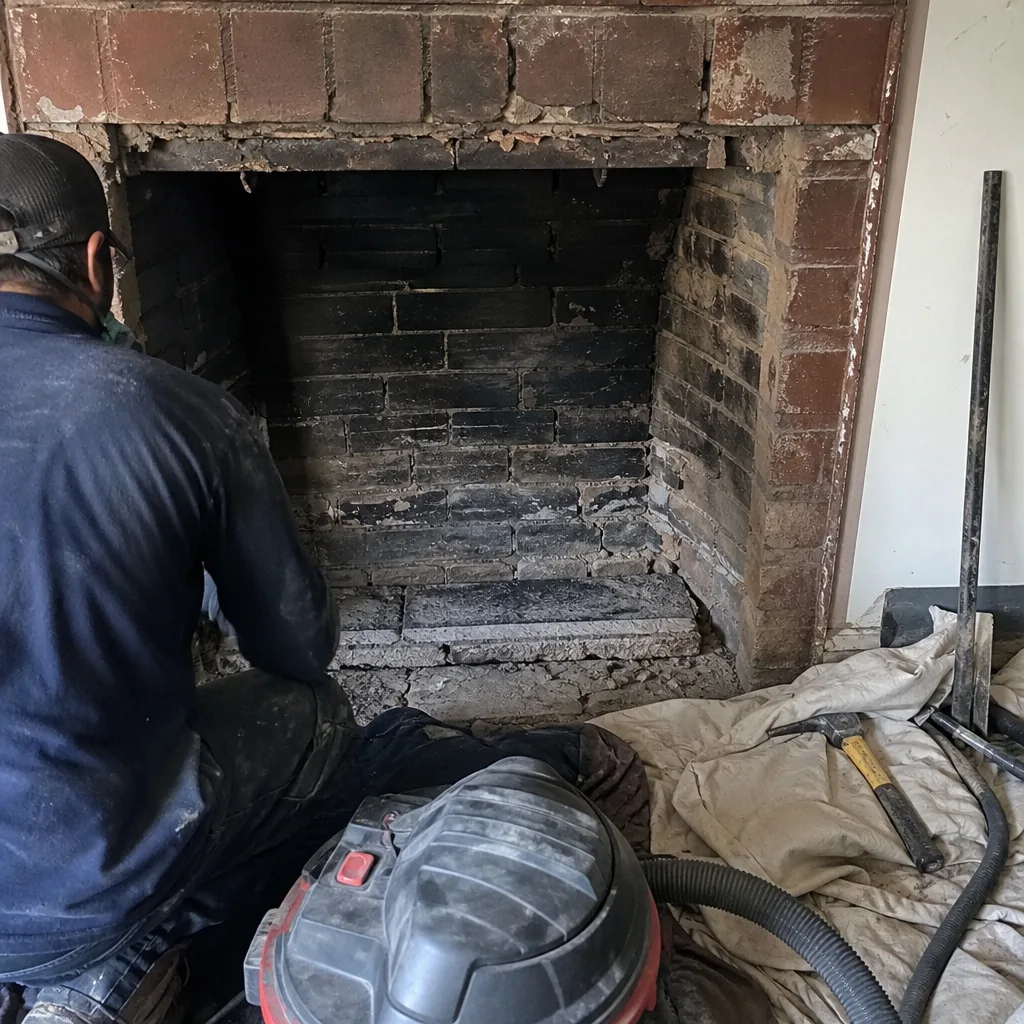
See the difference
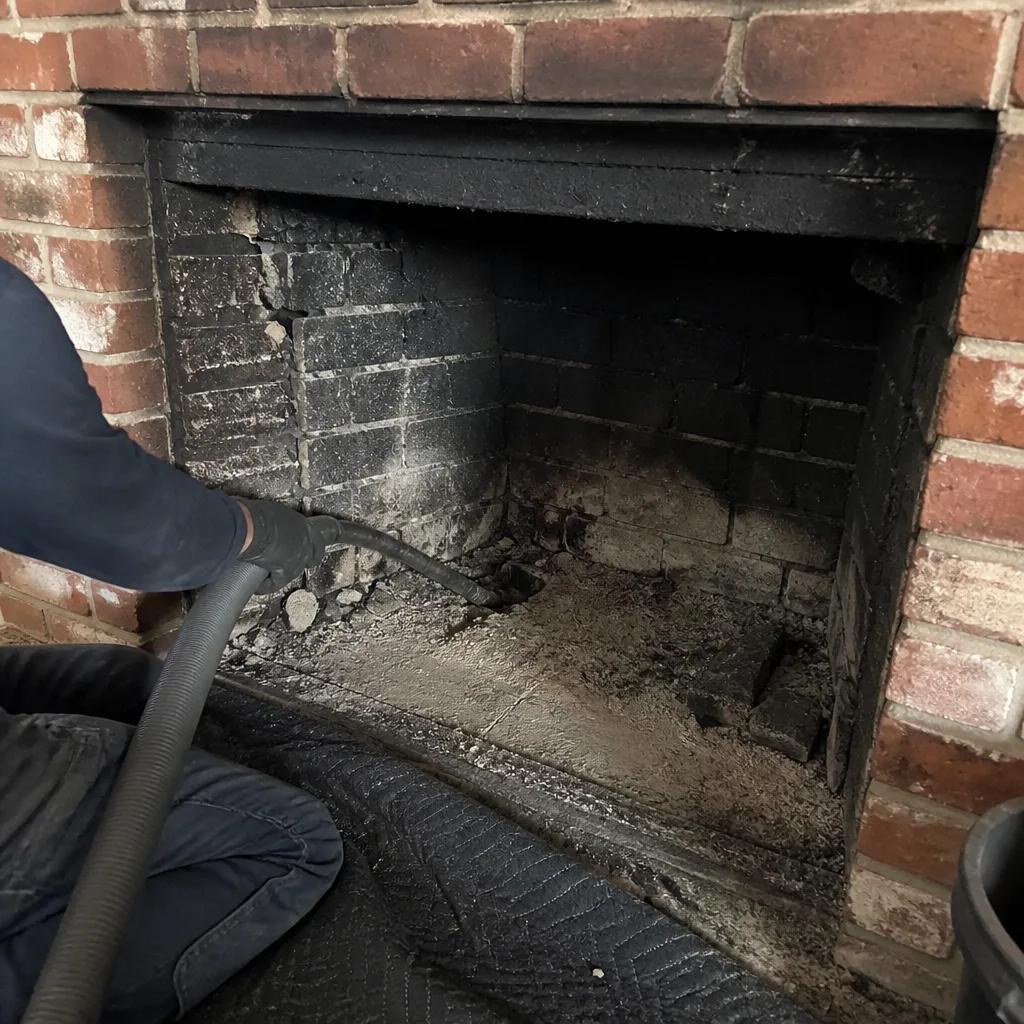 Before
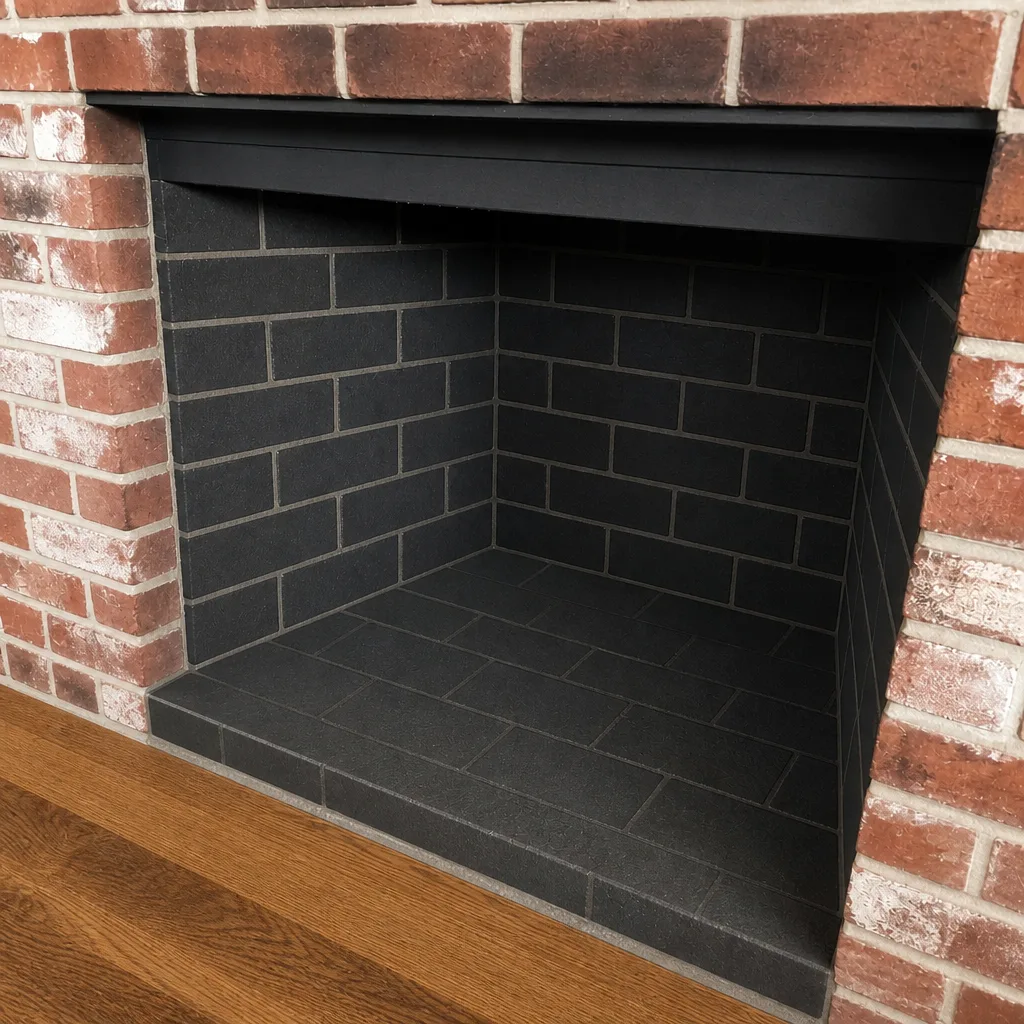 After
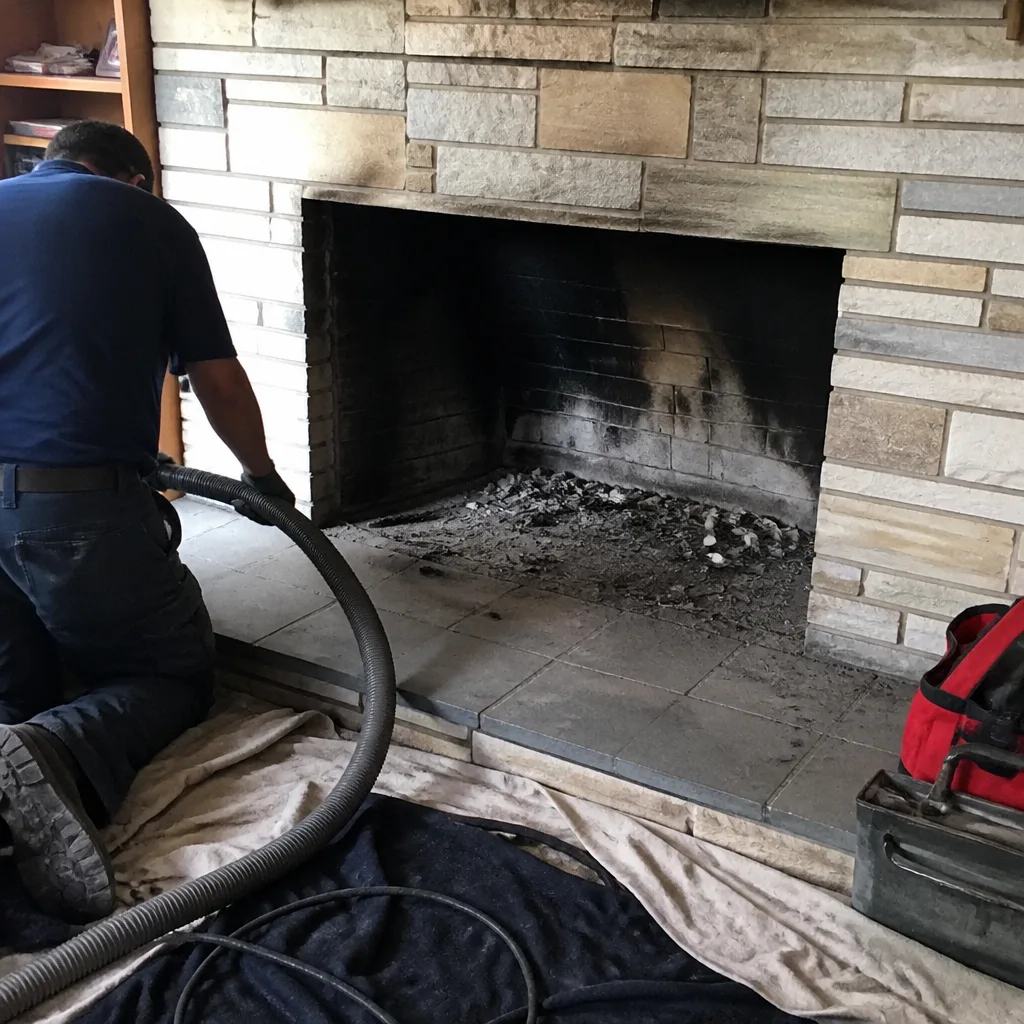 Before
 After
 Before
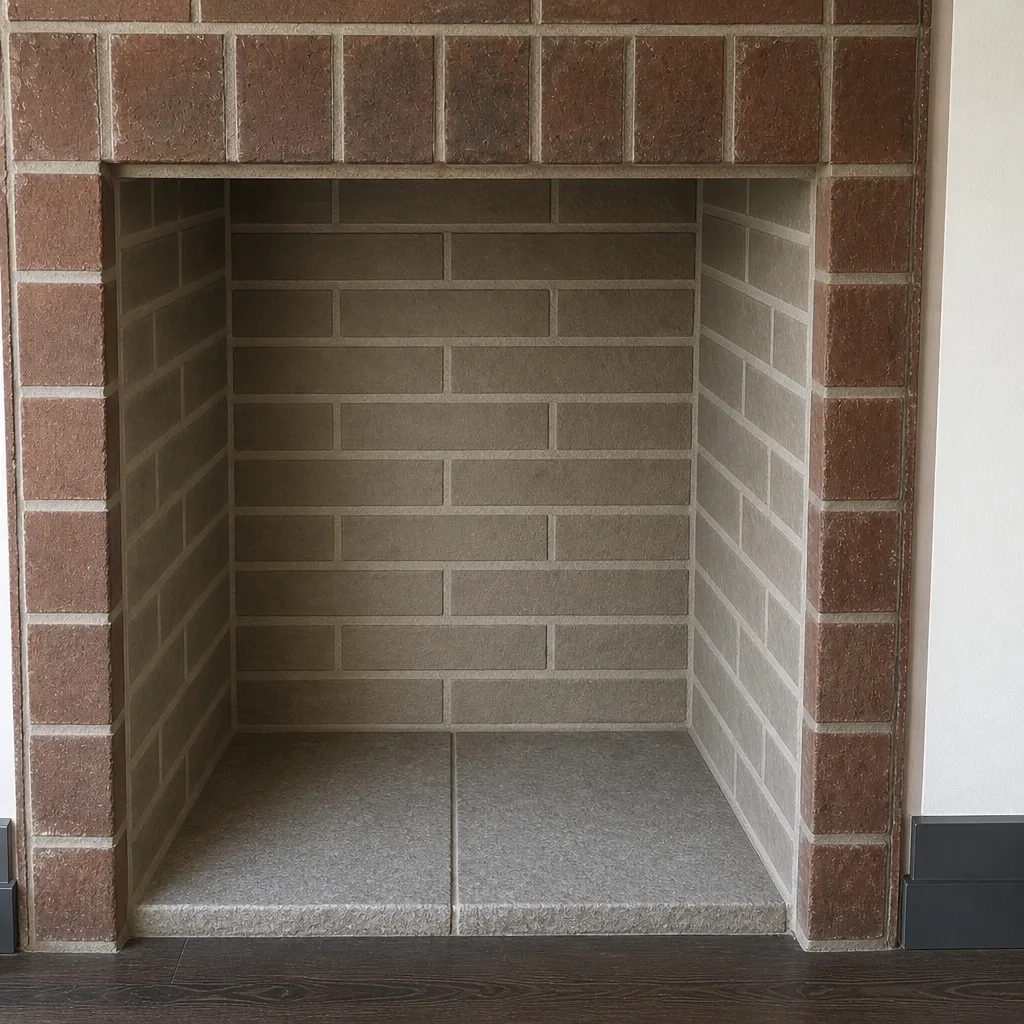 After
When to Call a Professional
Call a professional when you notice smoke rolling into the room instead of up the flue, when there’s a stain on a ceiling or a wall near the chimney chase, when a crown is visibly cracked or a cap is loose or gone, or when you’re planning to sell a Stanton home and want a Level 2 inspection in hand before listing. Call us when you’re ready to book a sweep and a written inspection report, when a repair needs a scope defined before a permit is pulled, or when you’re trying to sort out whether a piece of chimney work was ever permitted. Chimney Sweep Stanton offers free estimates in Stanton – call (844) 625-7031. We answer 24/7. Fast dispatch from 7am to 7pm, Sunday through Friday. We’re closed on Saturdays. The local pro we connect you with is licensed and insured as their state requires, and the estimate comes in writing before any work begins.
Frequently Asked Questions
No. Routine chimney cleaning in Stanton doesn’t require a permit, because a sweep is maintenance rather than a structural alteration. The permit question comes up when the inspection uncovers work that changes the chimney’s structure – a reline, a crown rebuild, firebox reconstruction. If you’re booking a sweep, the fair thing is a flat-price quote agreed before the visit, and a written report when it’s done. Call (844) 625-7031 for an exact quote – estimates are free.
Generally yes. Relining a flue is structural alteration work, and alteration work under Orange County building code typically requires a permit. The permit scope should specify the liner system being installed by name, which is why professional-grade products such as DuraFlex are the right specification. A camera inspection and photo report should come first so the scope is grounded in evidence you can see. Call (844) 625-7031 to talk through your scope.
A city inspection is a building department review tied to a permit, and it confirms permitted work complies with code. A CSIA inspection is a chimney inspection performed to the standards of the Chimney Safety Institute of America, and it documents the condition of the whole system. Both carry weight, but in different contexts – one closes a permit, the other travels with a home sale. When the question is a code question, the city inspection is the document that matters.
Unpermitted structural chimney work can surface on a title report because the record shows a discrepancy between what was done and what was permitted. A clean, permitted chimney won’t show a problem. The fix is to document the condition with an inspection, then work with the building department to retroactively permit the work if it’s correctable. Getting ahead of it before listing is easier than dealing with it in escrow.
Rule 445 restricts new wood-burning device installations and imposes no-burn days when air quality is poor. It governs what you burn and when, not whether your flue is intact. The physical condition of the chimney still needs an annual inspection to be assessed. If you’re replacing a wood-burning device, confirm the cleaner-burning requirement with the district before you buy.
Resurfacing is often the repair-first option, and HeatShield’s ceramic flue resurfacing system is the leading product for it. It restores a deteriorated clay flue lining without a full liner replacement. Whether it’s the right fit depends on what the camera shows – the extent of the damage and the flue’s condition. Nothing should be recommended without evidence you can review yourself, and we’ll tell you outright when resurfacing will hold and when it won’t. Call (844) 625-7031 for an exact quote.
The Bottom Line
Chimney cleaning in Stanton doesn’t need a permit. Structural chimney work generally does, and that boundary – maintenance on one side, alteration on the other – is the fact that matters most for a Stanton homeowner. Get a Level 2 inspection before you list a home. Get a CSIA-standard inspection report that documents condition, and treat it as the evidence base for any repair scope. When a permit is required, get it pulled before work starts and let the city inspection close it out. An annual inspection before the burning season catches deterioration while it’s still a maintenance item. The rest, including whether resurfacing or a full liner is right, follows from what the camera shows – and nothing more than the evidence supports.
Contact
Call (844) 625-7031 for a free estimate. We answer 24/7. Fast dispatch from 7am to 7pm, Sunday through Friday – and we’re closed on Saturdays. A flat-price sweep is agreed before booking, a camera inspection and photo report come with the visit, and the written estimate sets the final price. Whether you’re sorting out permit scope, booking a pre-listing inspection, or simply ready for this season’s sweep, we’ll walk you through what we find and what it means. Our technicians have up to 14 years of experience, and the local pro we connect you with is licensed and insured as their state requires.
Written by the team at Chimney Sweep Stanton.