
Last updated November 25, 2026
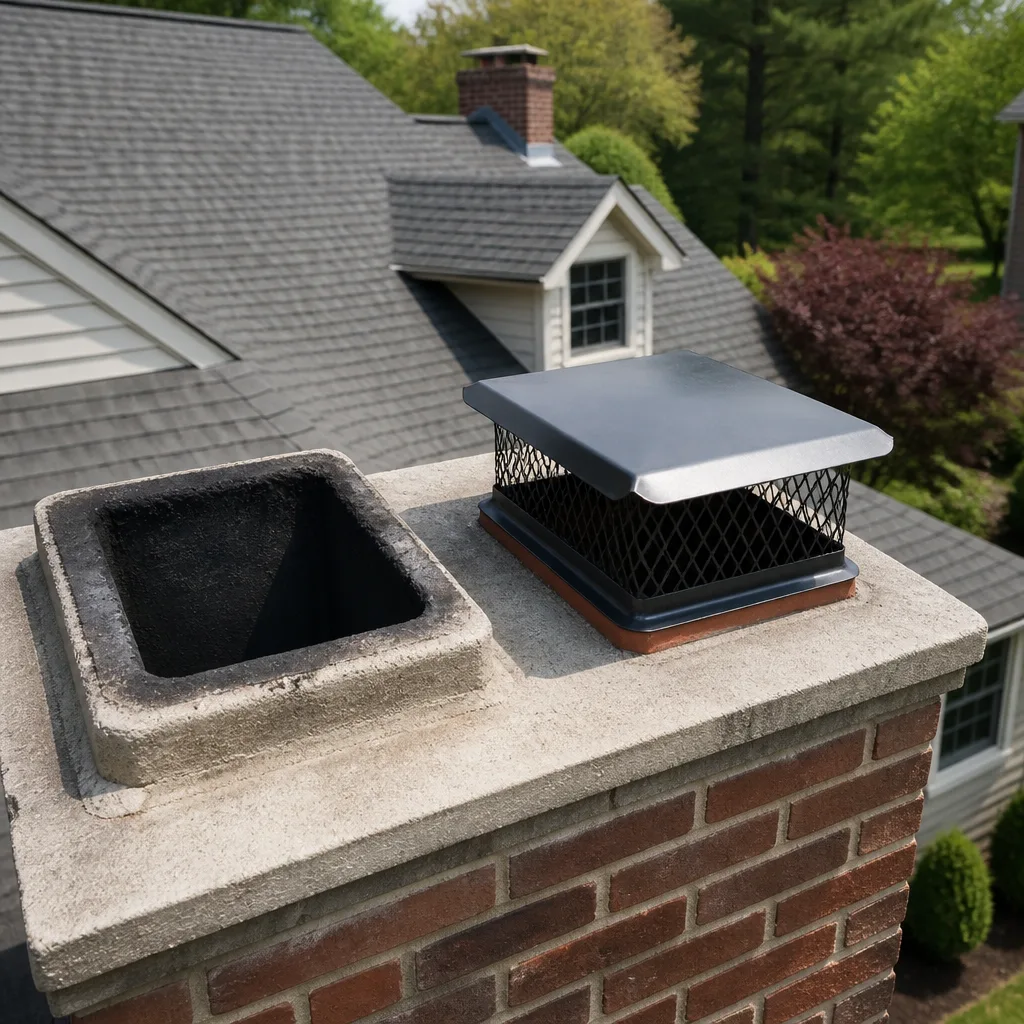 Sweep & inspection
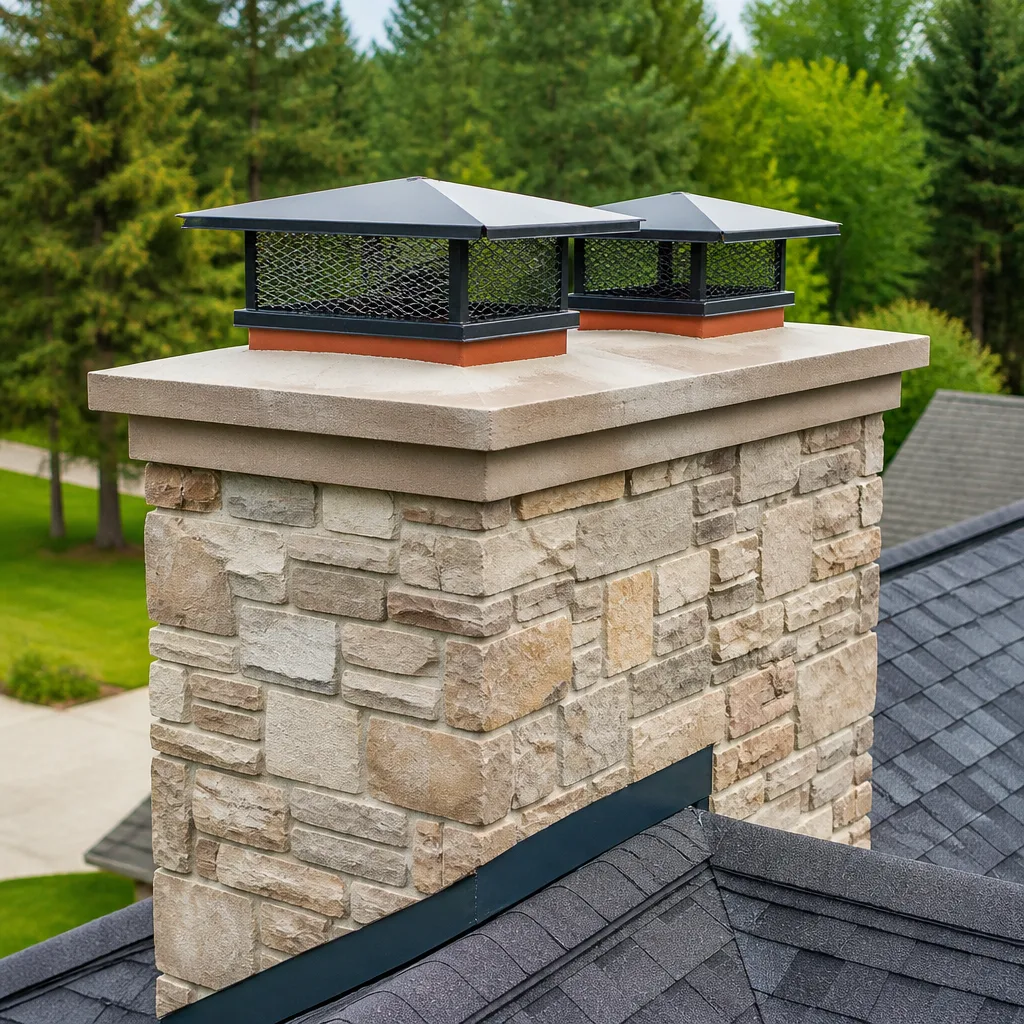 Caps & crowns
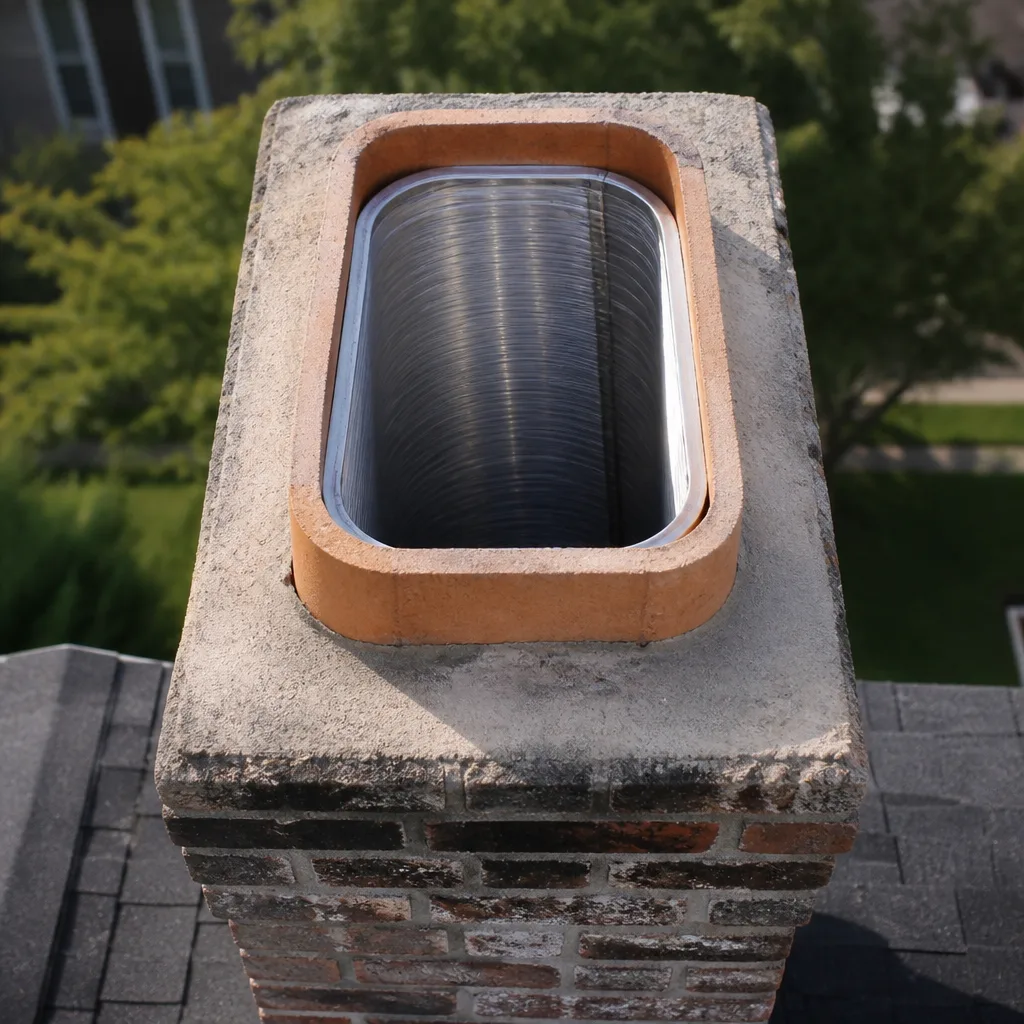 Flue relining
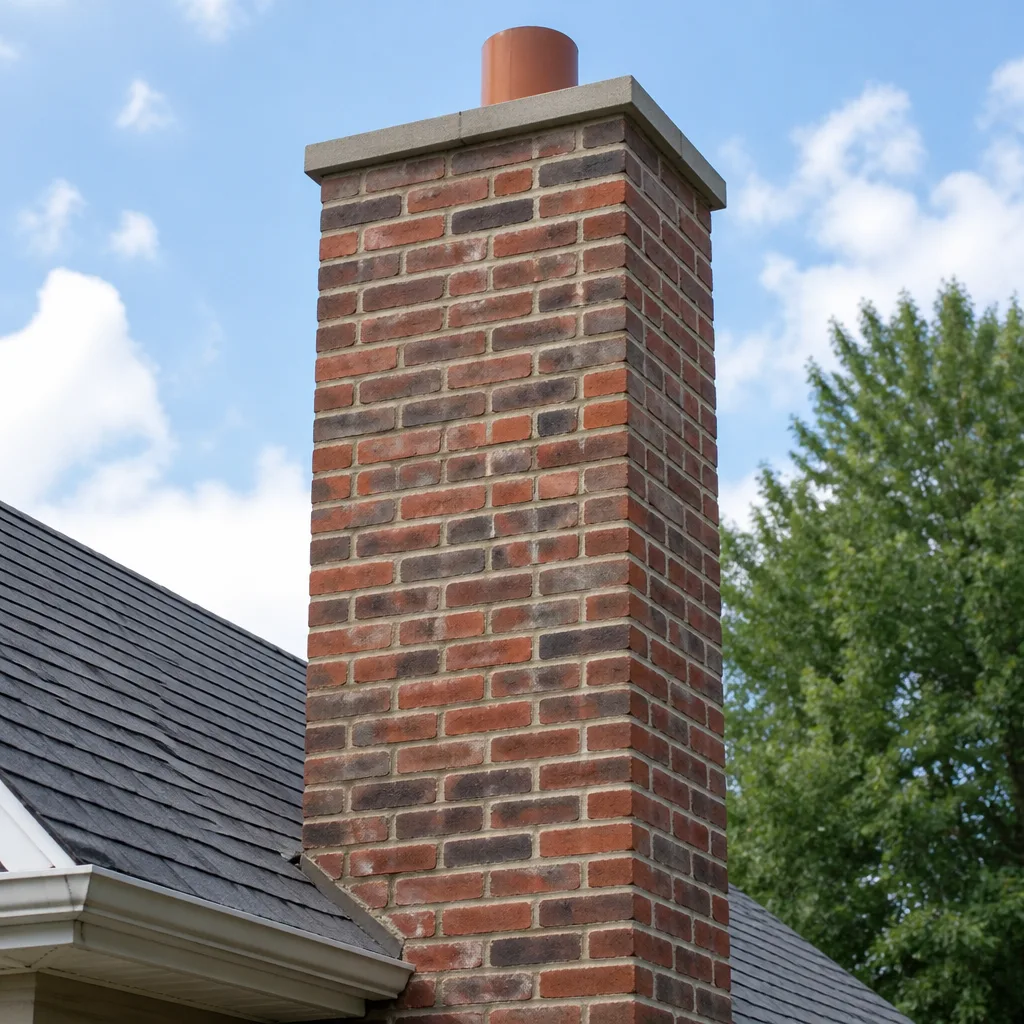 Masonry repair
 Gas fireplace service
Level 1 sweep and inspection to the NFPA 211 annual standard - flue, crown, cap, and flashing checked and photographed
Chimney sweep logs do not sweep chimneys. They loosen some creosote - which then falls where a brush and vacuum still have to collect it.
Chimney Cleaning Cost Breakdown: The Stanton Homeowner’s Reference for 2026
The $79 chimney cleaning special you see advertised around Orange County almost never covers what a sweep actually finds once a light goes down the flue. That price is real, but it’s for one thing: brushing out a chimney that’s already been inspected and cleared as routine. The moment the technician finds glazed creosote, a cracked crown, or a flue that’s been quietly deteriorating for years, the number on the invoice changes. Not because anyone is being dishonest, but because cleaning and inspection are separate services, and most companies quote them separately on purpose. This guide names every line item a Stanton homeowner is likely to see on a 2026 estimate, explains what each one actually covers, and points out which charges reflect real work and which are pressure-sales tactics dressed up as necessities.
Quick Answer
A standard chimney sweep in Stanton typically runs $150 to $300 for a single flue, and a Level 1 inspection is usually included or adds $50 to $100. A Level 2 video scan runs $200 to $400, cap installation $150 to $400 depending on material and fit, crown coating $300 to $600, and liner repair or relining $1,800 to $4,500. Typical total annual chimney maintenance for a Stanton home with one wood-burning fireplace lands between $200 and $450 when nothing is wrong, and the written estimate always sets the final price.
Styles & brands we work with
- Sweep & inspection
- Caps & crowns
- Flue relining
- Masonry repair
- Gas fireplace service
Table of Contents
- What each line item on a Stanton estimate actually covers
- 2026 Stanton pricing table by service
- Which cost variables are legitimate and which are pretexts
- Why professional-grade caps and sealants cost more than box-store equivalents
- What a fair annual chimney budget looks like for a Stanton home
- How to compare quotes when the terminology doesn’t match
- Common mistakes to avoid
- Frequently asked questions
What each line item on a Stanton estimate actually covers
Chimney work gets quoted in pieces because the pieces get done by different tools, take different amounts of time, and fail for different reasons. A sweep and an inspection aren’t the same visit even when they happen back-to-back. Here’s what each item on a Stanton estimate means:
- Standard chimney sweep: mechanical brushing of the flue from the top or bottom, removal of soot and creosote, and cleanup of the firebox and smoke chamber. This is the routine annual service. It does not evaluate the structural condition of the chimney.
- Level 1 inspection: a visual check of all accessible parts of the chimney and venting system, from the firebox up to the cap. It’s the baseline inspection and is usually bundled with an annual sweep.
- Level 2 video scan: a camera run through the flue with a recorded video the homeowner keeps. Required whenever a chimney changes hands, changes fuel type, or after a chimney fire, and recommended any time the technician sees something on the Level 1 that warrants a closer look.
- Cap installation: a stainless or copper cap fitted to the flue top to keep rain, animals, and debris out. Sized to the flue, not a universal fit.
- Crown coat: resurfacing or sealing the concrete crown at the top of the chimney, which is the flat surface that sheds water away from the flue. A cracked crown is the single most common entry point for water damage.
- Liner repair or relining: restoring a deteriorated flue liner, either by ceramic resurfacing with a product like HeatShield or by installing a stainless flexible liner such as DuraFlex when the original liner is too far gone to resurface.
In our experience, the confusion in Stanton comes from companies that quote a “full service” at one price and then break out these items later. If the estimate you receive doesn’t separate them, ask for each line individually before you book. The chimney sweep itself is the only part of that list that belongs in the base price.
2026 Stanton pricing table by service
Here’s how the ranges look for a typical single-family Stanton home with one wood-burning fireplace and one flue. These are estimated ranges, not quotes. The written estimate after an on-site look is what sets your actual price.
| Service | Typical estimate | What drives the range |
|---|---|---|
| Standard sweep, single flue | $150 – $300 | Chimney height, flue condition, creosote stage |
| Level 1 inspection | $50 – $100 (often bundled) | Whether it’s added to a scheduled sweep |
| Level 2 video scan | $200 – $400 | Number of flues, roof access, video report |
| Stainless cap, fitted | $150 – $400 | Material (stainless vs copper), flue count, custom sizing |
| Crown coat or resurface | $300 – $600 | Extent of cracking, access, sealant type |
| HeatShield ceramic resurfacing | $900 – $2,200 | Flue length, number of deteriorated sections |
| DuraFlex stainless liner install | $1,800 – $4,500 | Flue height, liner diameter, insulation, cap |
| Firebox repair | $400 – $1,200 | Brick or mortar scope |
Two things shift these numbers in Stanton more than homeowners expect. First, most of the housing here has single-story or low-pitch roof lines, which keeps roof access quick and sweeps on the lower end. Second, gas fireplaces are common in the older tracts, and a gas flue needs a different inspection path than a wood flue, so a sweep quoted for wood may not apply cleanly. Ask which fuel type the price is for. Our technicians have up to 14 years of experience reading both. If your fireplace needs more than a sweep, fireplace repair is a separate line from the chimney above it.
Which cost variables are legitimate and which are pretexts
Some services genuinely cost more in certain conditions. Others get added to an invoice to inflate a routine job. Here’s a working list of which is which.
Legitimate variables
- Chimney height and flue count. A taller chimney takes longer to climb and brush. A house with two flues on one stack gets double the sweep time even when the fireplaces are rarely used.
- Creosote stage. Stage 1 creosote brushes out easily. Stage 2 is thicker and takes more passes. Stage 3, glazed creosote, needs chemical treatment or mechanical removal and is a real cost increase because it can’t be brushed off.
- Roof pitch and access. Steep roofs or obstructions around the chimney top add setup time. Flat and low-slope roofs cut it.
- Debris in the firebox or smoke chamber. A chimney that hasn’t been cleaned in several years may have animal nests or heavy soot fall that has to be dug out before brushing starts.
Pretexts for upselling
- “You need a full liner” without video evidence. A liner replacement is a $1,800 to $4,500 job. It should never be recommended without a Level 2 video scan you can watch yourself. If the technician won’t show you the footage, don’t book the work.
- “You need a new cap” when yours fits and functions. Caps are checked, not replaced on spec. A stainless cap that’s seated properly and intact doesn’t need swapping.
- “Emergency premium” for a scheduled job. A chimney sweep is a scheduled service. There’s no legitimate reason for a rush fee on a booked visit.
- Bundled “seal and protect” packages with no line item breakdown.
In our experience, the cleanest estimates name every service on its own line with a price. When a company lists one all-in number with no breakdown, ask them to itemize before you agree to anything. The chimney repair line is the one that most often needs a second quote, and that’s not a red flag; it’s good practice.
Why professional-grade caps and sealants cost more than box-store equivalents
The price gap between a hardware-store cap and a professionally sourced one runs $60 to $150 at the point of sale, and it tells a different story after a few years. A box-store stainless cap is often thinner gauge, sized to a generic flue, and secured with fasteners that don’t hold up to wind cycling. A fitted stainless cap from a supply chain like Copperfield is thicker, sized to your actual flue, and designed to sit flush. The material difference isn’t marketing; it’s how long the part survives.
The same applies to crown sealants. A retail masonry sealant sits on the surface of the crown and cracks within a couple of seasons as the concrete below it moves. A professional-grade crown coat creates a flexible membrane that expands and contracts with the concrete rather than splitting from it. In our experience, the lifespan difference shows up at the three-to-five-year point. Cheap sealant needs reapplication. A proper crown coat doesn’t.
We name the products because the product matters. A cap sourced through Olympia Chimney isn’t the same part as a $30 version at a big-box store, even if both say “stainless.” When a chimney crown fails, water gets behind the masonry and into the flue, and that’s the start of a several-thousand-dollar repair. The fifteen-dollar gap at the top of the chimney buys years of service at the bottom.
Why we specify DuraFlex and HeatShield
When a liner does need replacing, the choice of material matters as much as the cap. DuraFlex stainless flexible liners are recognized in NFPA standards for relining deteriorated masonry flues, and they handle the thermal cycling that a wood-burning flue goes through better than a rigid liner or an unlined flue can. HeatShield is a ceramic resurfacing system applied to the inside of the original liner, and it gives homeowners a repair-first option before full replacement. We default to repair first, replace when necessary, because that’s the right order. HeatShield is often the difference between a $1,200 repair and a $3,500 reline.
What a fair annual chimney budget looks like for a Stanton home
For a typical Stanton single-family home with one active wood-burning fireplace, a fair annual chimney budget runs $200 to $450 in a normal year. Here’s how that breaks down:
- Annual sweep and Level 1 inspection: $150 to $300. This is the baseline.
- Cap check: $0 if the existing cap is intact and fitted. If it needs replacement, add $150 to $400 one time and it’s done for years.
- Crown inspection: included in the Level 1. If small cracks appear, a spot seal runs $100 to $250. Full crown coat is a one-time $300 to $600 when needed and then no annual charge.
- Reserve for unexpected repair: $100 to $200, which builds over years if nothing goes wrong.
Over a five-year window, a Stanton homeowner who sweeps annually and keeps the cap and crown intact typically spends $1,200 to $2,000 total. A homeowner who skips the sweep and waits until problems surface usually spends more than that in a single repair, because the first symptom of a neglected flue is often a liner that needs replacing. The guide is doing its job if it saves you that bill. The sweep is the cheapest line on the invoice and the one that prevents all the others.
How to compare quotes when the terminology doesn’t match
Two companies can inspect the same chimney and quote the same work using different words. One says “chimney cleaning” and means sweep plus Level 1. Another says “sweep” and means brush only, with the inspection as a separate $100. A third calls the inspection “chimney evaluation” and prices it at $150. These aren’t dishonest; they’re inconsistent terminology in a trade that hasn’t standardized naming. Here’s how to compare apples to apples:
- Ask each company for a written, itemized estimate. Every service on its own line. No bundled all-in prices.
- Match the line items to our table above. If their line says “cleaning + inspection + video,” split the video out and see what each piece costs.
- Ask what inspection level is included. A Level 1 is a visual check. A Level 2 is a video scan. They are not the same, and their prices shouldn’t be either.
- Compare the roof access and flue count. A quote for one flue and a quote for two flues are impossible to compare without knowing how many flues were counted.
- Check the cap and crown recommendations for a stated reason. A fair quote names what it saw and where. A pressure-sale quote says “you need this” without pointing to a specific problem.
- Ask for the written estimate to be valid for a stated window. If a quote expires in 24 hours, that’s a pressure tactic, not a scheduling constraint.
When the numbers are compared on the same line items, the differences usually disappear. What looks like a $250 gap between two quotes is almost always a difference in what was counted, not what was charged. Chimney Sweep Stanton writes every estimate line by line so you can compare it to any other quote you get.
Common Mistakes to Avoid
- Treating the cleaning special as a full service. The $79 or $99 advertised price in Orange County covers a brush and nothing else. It doesn’t cover inspection, and it doesn’t cover the moment the technician finds the reason your chimney actually needed cleaning. Book the bundle, not the special.
- Approving liner work without seeing the video. A liner replacement is the largest line item on any chimney estimate. If the recommendation isn’t backed by a Level 2 video you’ve watched, ask for one before agreeing. This is a fair request and a specialist will make it without hesitation.
- Skipping the sweep because you burned “clean” wood. Seasoned hardwood produces less creosote but doesn’t produce zero. A sweep once a year regardless of burn volume is the standard, and Stanton flues accumulate creosote faster than homeowners expect because of the mild-winter burn habits here, where fires are occasional rather than constant.
- Replacing a cap that was never actually checked. A properly fitted stainless or copper cap is a long-term part. If a company recommends replacement on the first visit with no visible damage, ask to see the cap before the quote goes through.
- Letting a cracked crown wait because the chimney “still works.” Water enters through a cracked crown whenever it rains, and interior damage runs $1,500 to $4,000 by the time it’s visible inside the house. The crown is a $300 to $600 fix and a multi-thousand-dollar problem if left alone.
- Getting one quote on structural work. On a sweep or cap, one quote is fine. On liner or firebox work, two itemized quotes compared line by line is the right approach, and any specialist will respect it.
- Not asking what stage of creosote was found. Stage 1 to 3 is a real distinction in sweep pricing. If the technician treats it as one category, ask which stage was observed. The answer determines whether the sweep was routine or required more work.
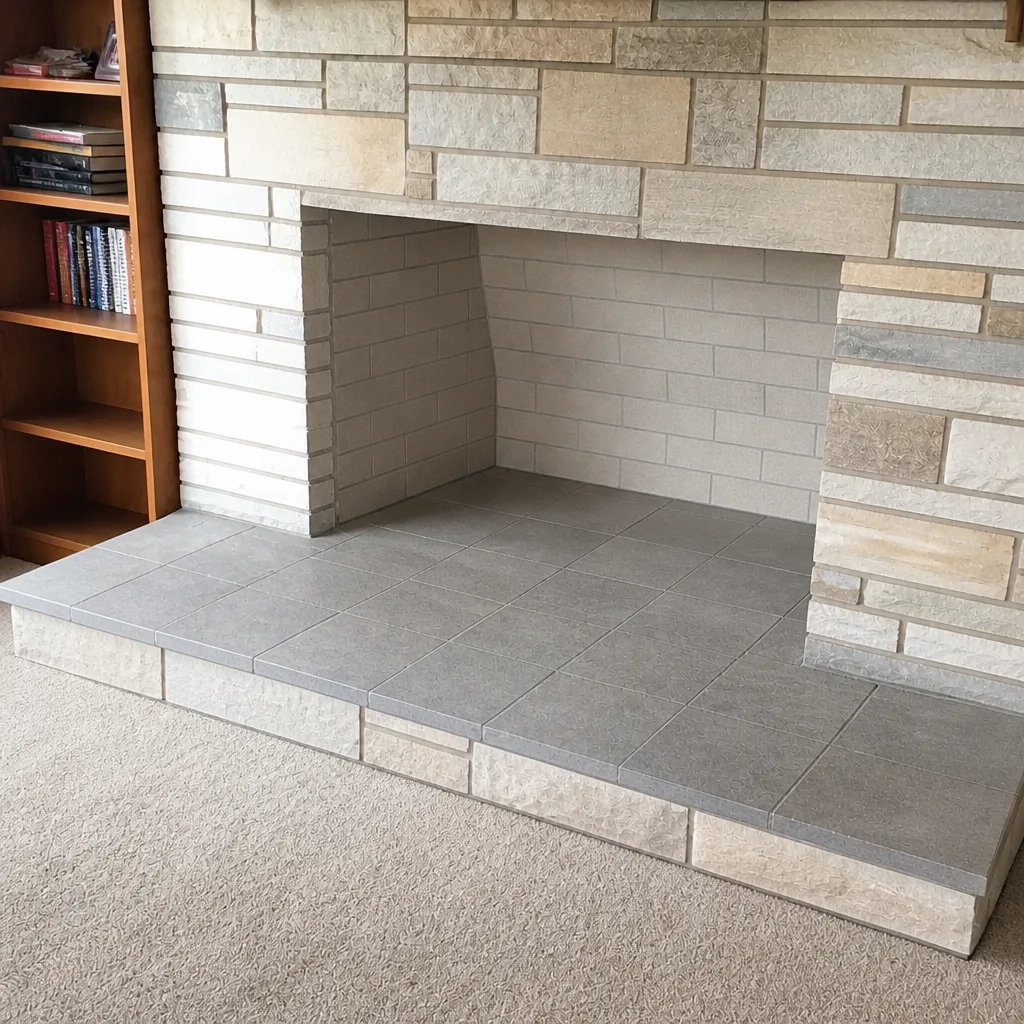
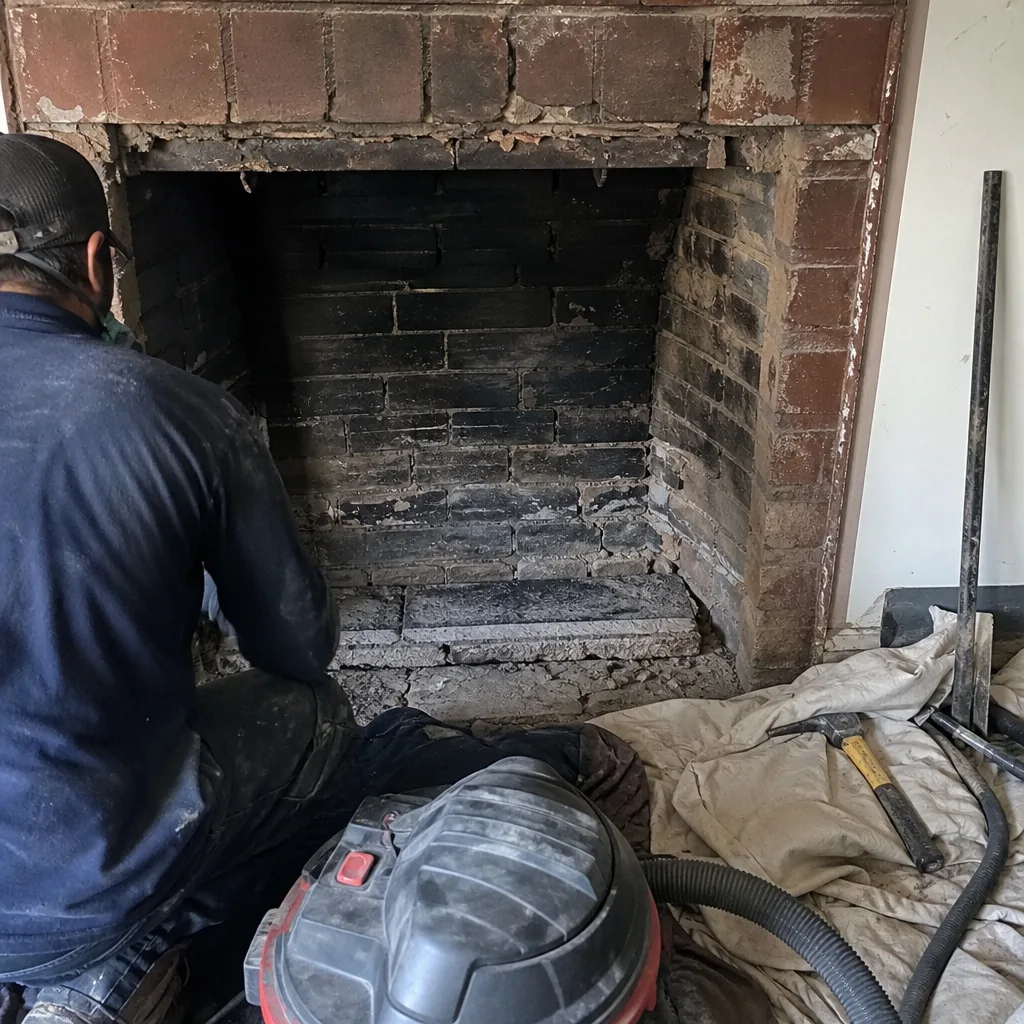
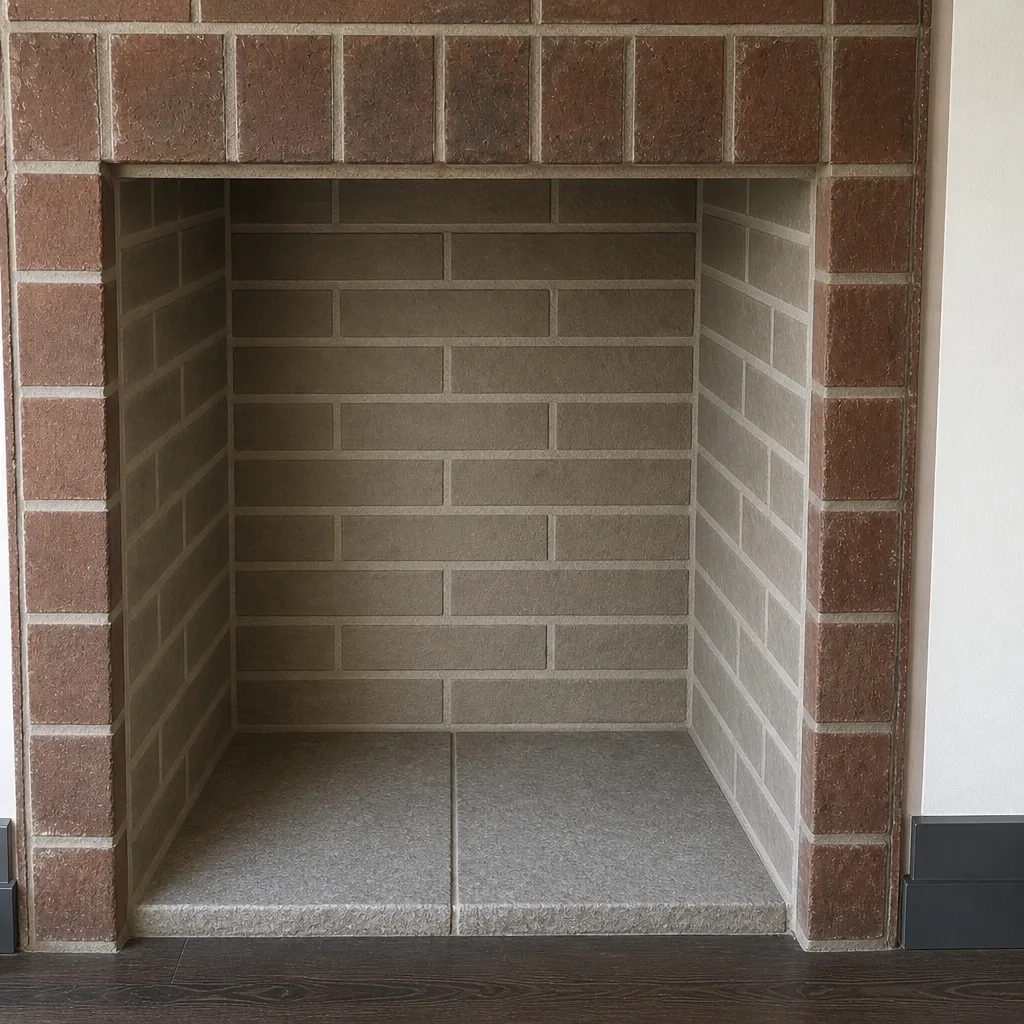
See the difference
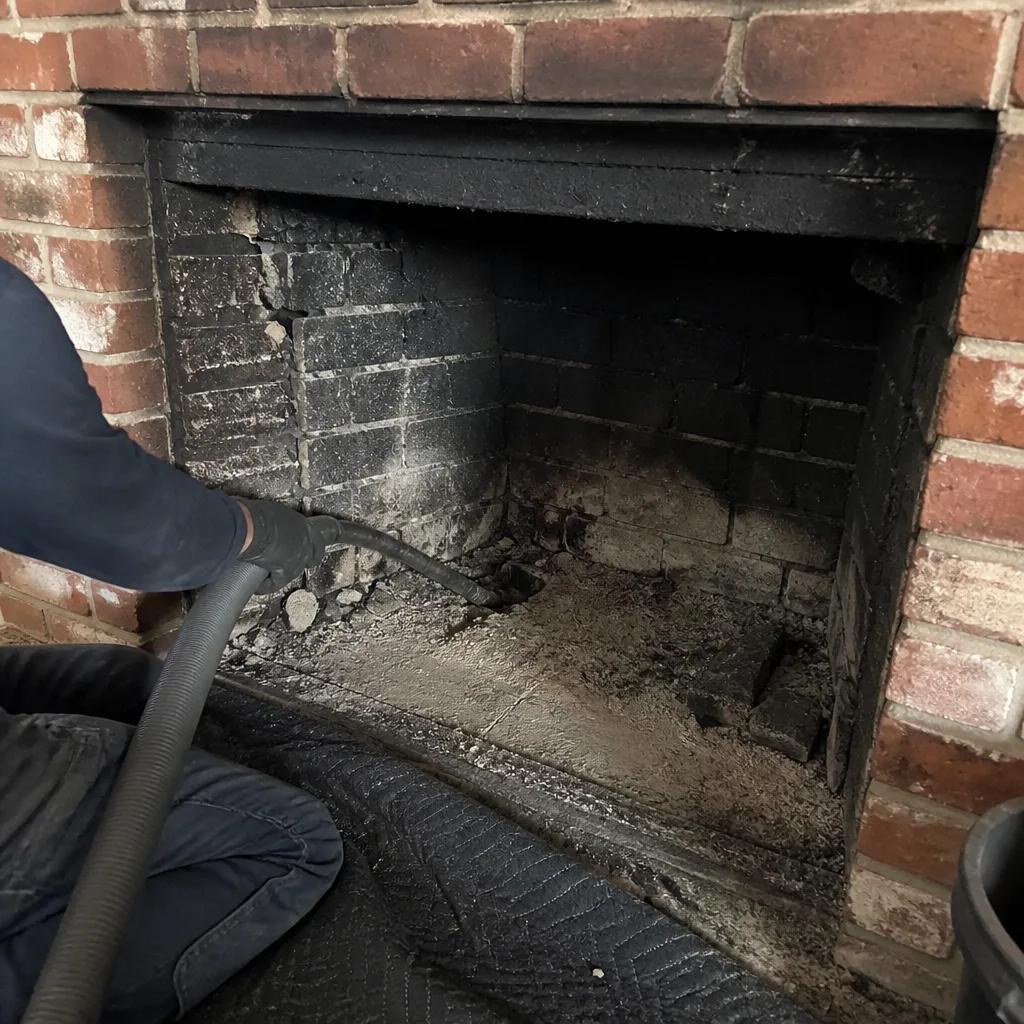 Before
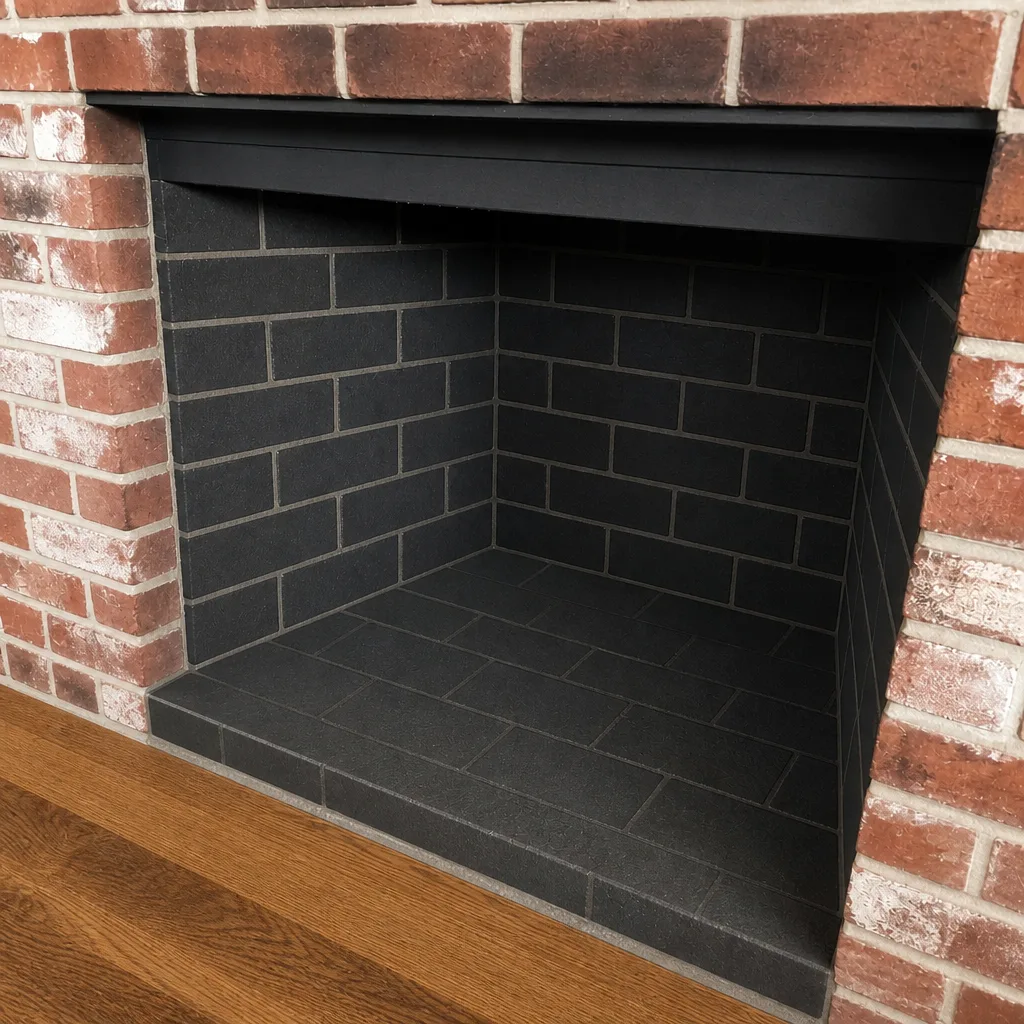 After
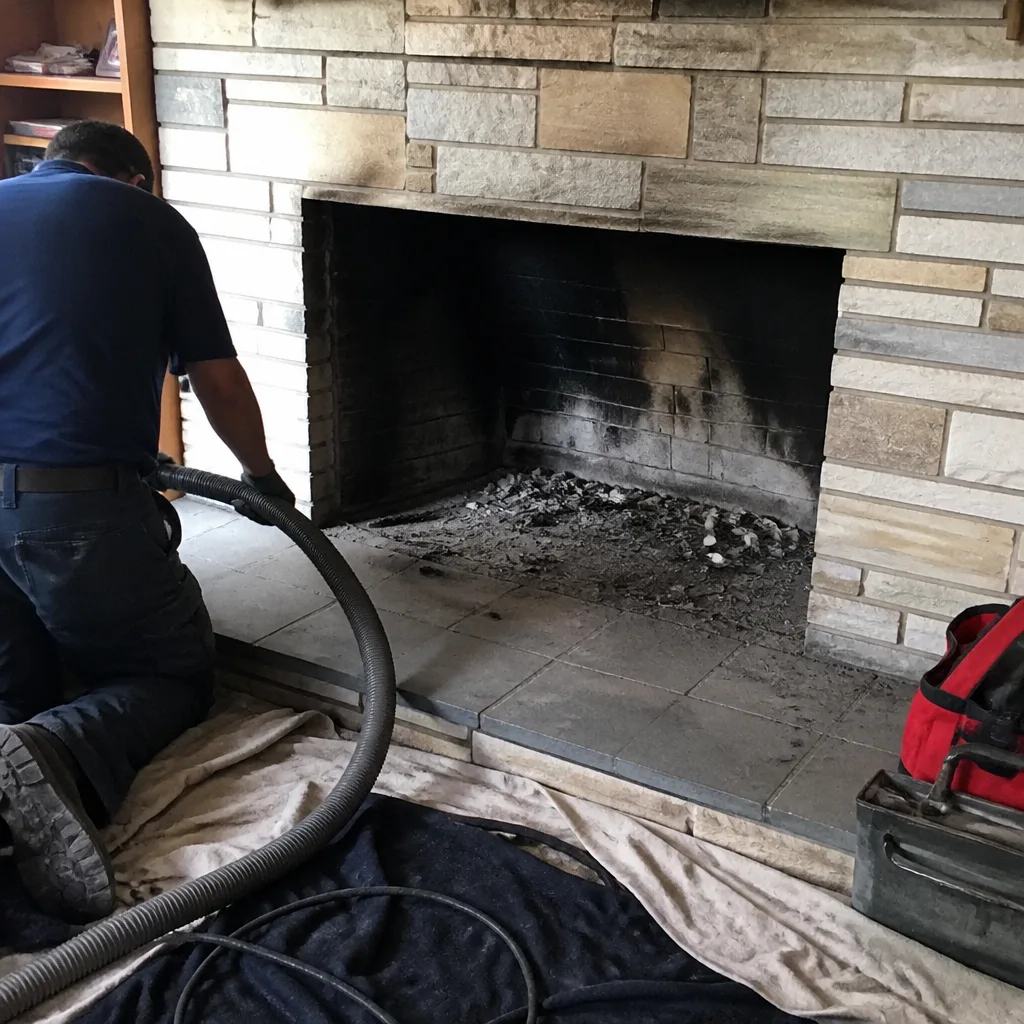 Before
 After
 Before
 After
When to Call a Professional
Some chimney work is routine and some needs a technician with tools and training. Call us if you see or smell any of the following: a strong creosote odor in the house on warm days, dark staining on the exterior of the chimney, visible cracks in the crown, rust around the damper, a cap that’s loose or missing, or a fire that smokes into the room when it shouldn’t. Each of those points at a specific failure, and each has a specific fix. Higher-tension parts of a chimney like a liner that’s deteriorated to the point of collapse risk, or a masonry stack with loose courses, need a trained technician; we don’t recommend opening up a flue yourself to see what’s going on. Chimney Sweep Stanton offers free estimates in Stanton and works on every part of the system from the firebox to the crown. Call (844) 625-7031 for a written, itemized estimate and a camera-based recommendation you can see for yourself.
Frequently Asked Questions
A standard chimney sweep in Stanton typically costs $150 to $300 for a single flue in 2026, and that usually includes a Level 1 visual inspection. Taller chimneys, multi-flue stacks, or heavier creosote stages push toward the upper end. Call (844) 625-7031 for an exact quote, estimates are free.
You need a new liner if a Level 2 video scan shows your existing liner is cracked, deteriorated, or no longer suited to the fuel you’re burning. You don’t need one based on a visual inspection alone. A deteriorated flue can often be resurfaced with HeatShield for a fraction of the cost of a full liner, so the first question is always whether repair-first applies. Ask for the video, ask what a ceramic resurfacing would cost, and call (844) 625-7031 for an itemized comparison.
Once a year for a wood-burning fireplace, whether or not it gets heavy use. Gas fireplaces still need an annual inspection, though the sweep side can be lighter. The annual visit is the cheapest line item on any chimney budget and the one that prevents the expensive ones. Call (844) 625-7031 to book the sweep before burning season starts.
Creosote builds up in the flue, and at Stage 3 it becomes glazed and can’t be brushed off, which means chemical treatment or mechanical removal at a much higher cost than a routine sweep would have been. In the worst case, a flue fire starts, and that can move a routine $200 sweep into a $2,000 to $4,500 liner repair. The annual sweep is preventive, not decorative. Call (844) 625-7031 for a written estimate and a camera inspection that shows you where things stand.
The $99 and $79 specials you see advertised around Orange County typically cover a brush-out and nothing more, and the inspection and follow-up work are billed separately. Sometimes they turn into a fair price for a routine sweep, sometimes not. The right comparison is the itemized estimate against the line items in this guide, not the headline price. Call (844) 625-7031 and we’ll quote the sweep and inspection as separate lines so you can see what each covers.
A professionally sourced cap from a wholesale supply chain like Copperfield or Olympia Chimney is a thicker-gauge, custom-fitted part, while a hardware-store cap is a thinner universal fit. The price gap is typically $60 to $150, and the lifespan difference shows up at the three-to-five-year mark. The material difference is what makes the professional cap the cheaper option over time. Call (844) 625-7031 to schedule a cap fit with an itemized estimate.
The Bottom Line
Chimney cleaning pricing in Stanton looks chaotic because the line items get bundled and unbundled inconsistently across companies. Once you know the six core services and their 2026 ranges – sweep, Level 1 inspection, Level 2 video scan, cap, crown, and liner repair or relining – the estimates stop being mysterious. The variables that legitimately move the price are chimney height, flue count, creosote stage, and roof access. Everything else is a pretext. Professional-grade caps and sealants cost more up front and last longer, and the annual sweep is the cheapest line on any budget and the one that prevents every other charge on this page.
Contact Chimney Sweep Stanton
Chimney Sweep Stanton works on the full system from the firebox to the crown: Chimney Sweep Stanton services include sweeping, inspection, fireplace repair, structural chimney repair, and cap and crown installation, using professional-grade materials from brands like DuraFlex, HeatShield, Gelco, Olympia Chimney, Famco, and Copperfield. We name the product because the product matters, and we recommend repair first, replace when necessary, since HeatShield ceramic resurfacing usually saves a homeowner the cost of a full liner. Call (844) 625-7031 for a free estimate and a written, itemized quote. We answer 24/7. Fast dispatch from 7am to 7pm, Sunday through Friday. If you’re ready to schedule an annual sweep before burning season, we can walk through every line item with you before anything gets booked, and nothing is recommended without camera evidence you can see yourself.
Written by the team at Chimney Sweep Stanton.