
Last updated November 25, 2026
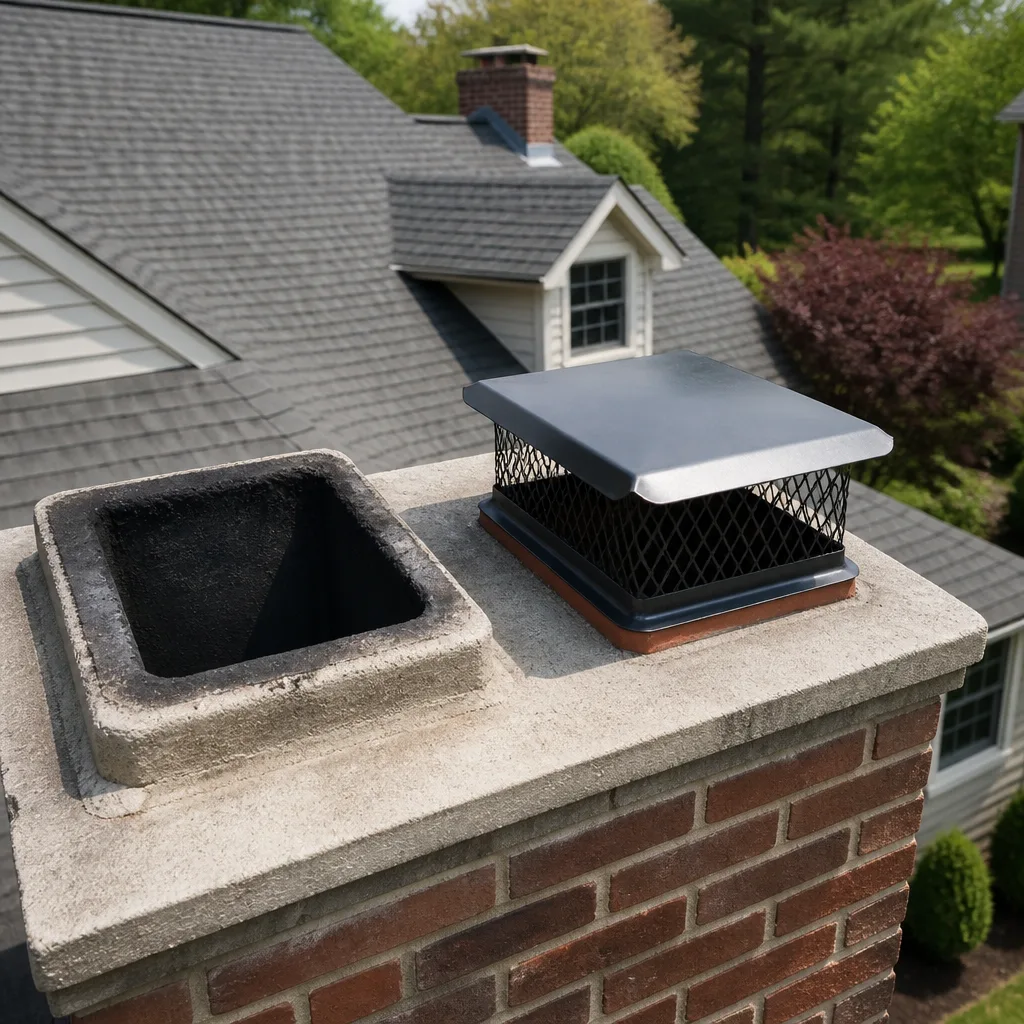 Sweep & inspection
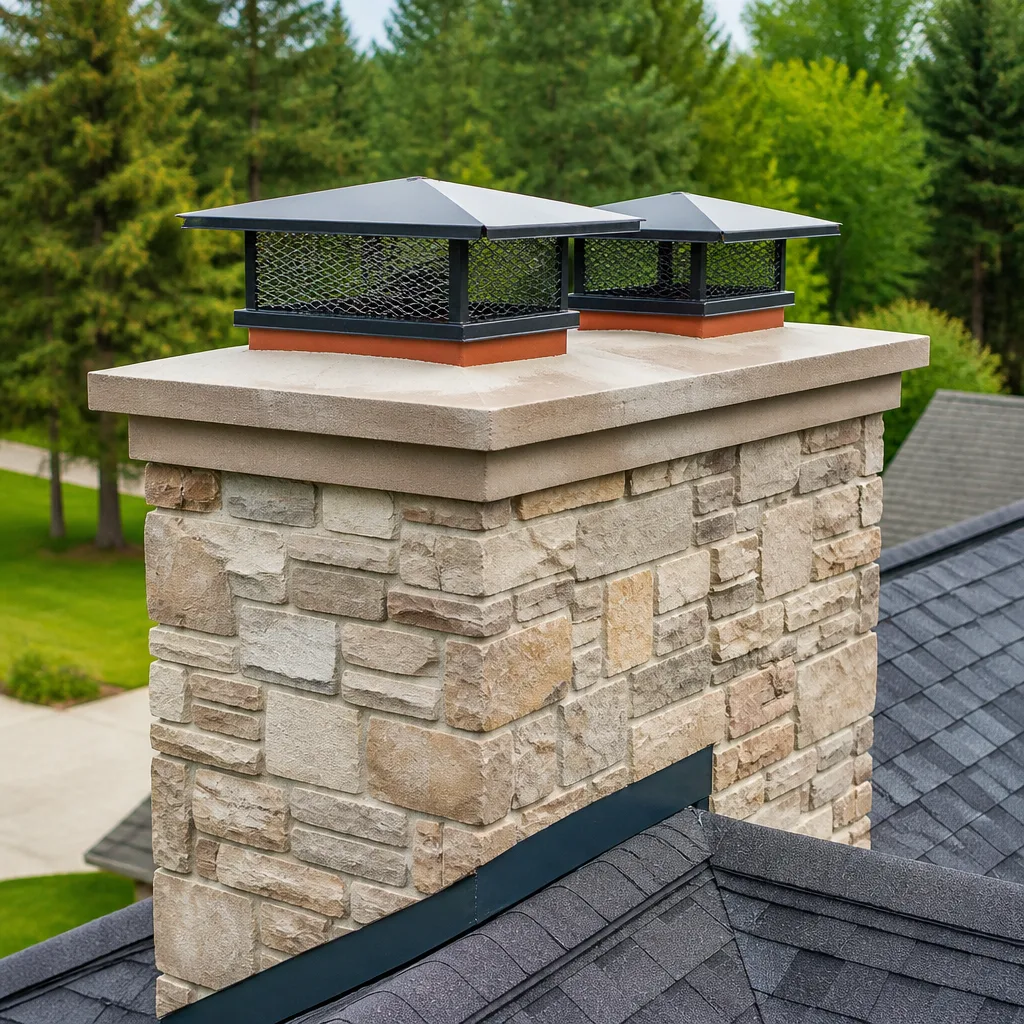 Caps & crowns
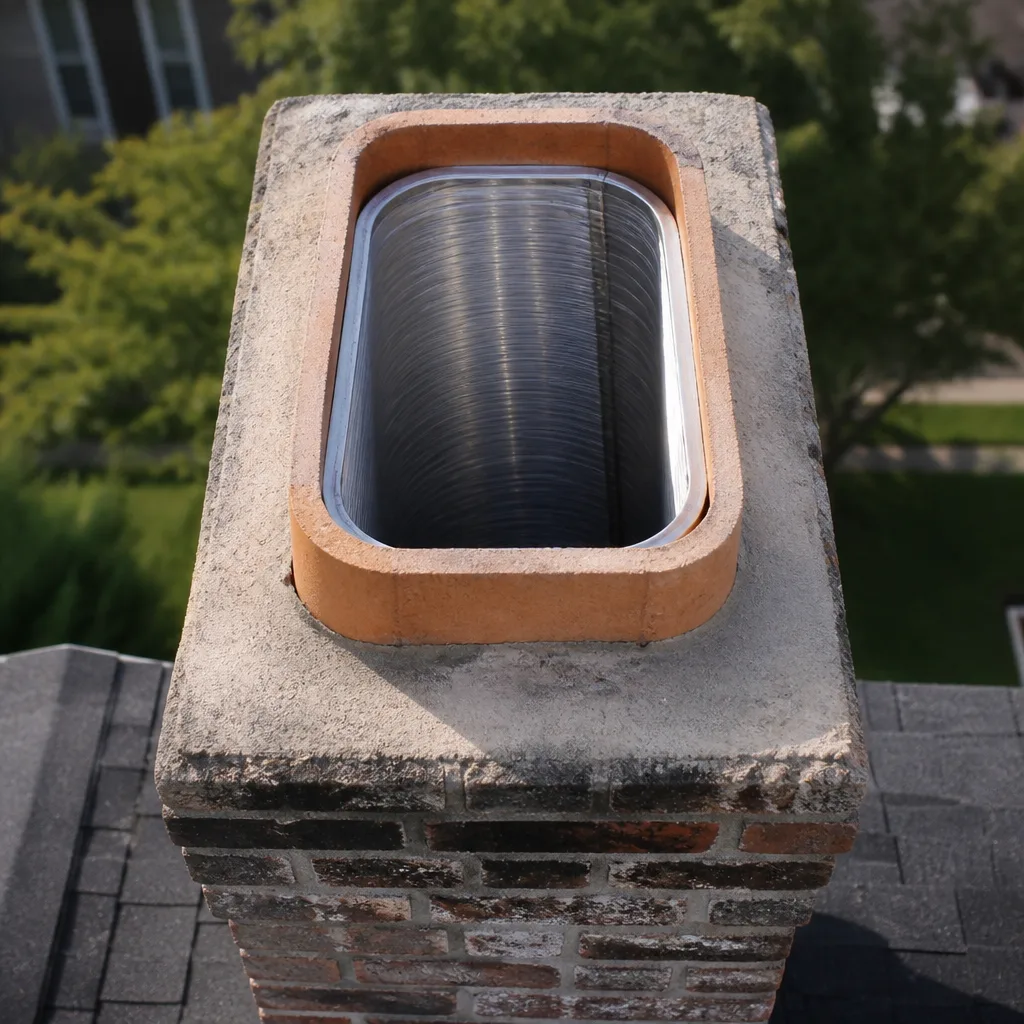 Flue relining
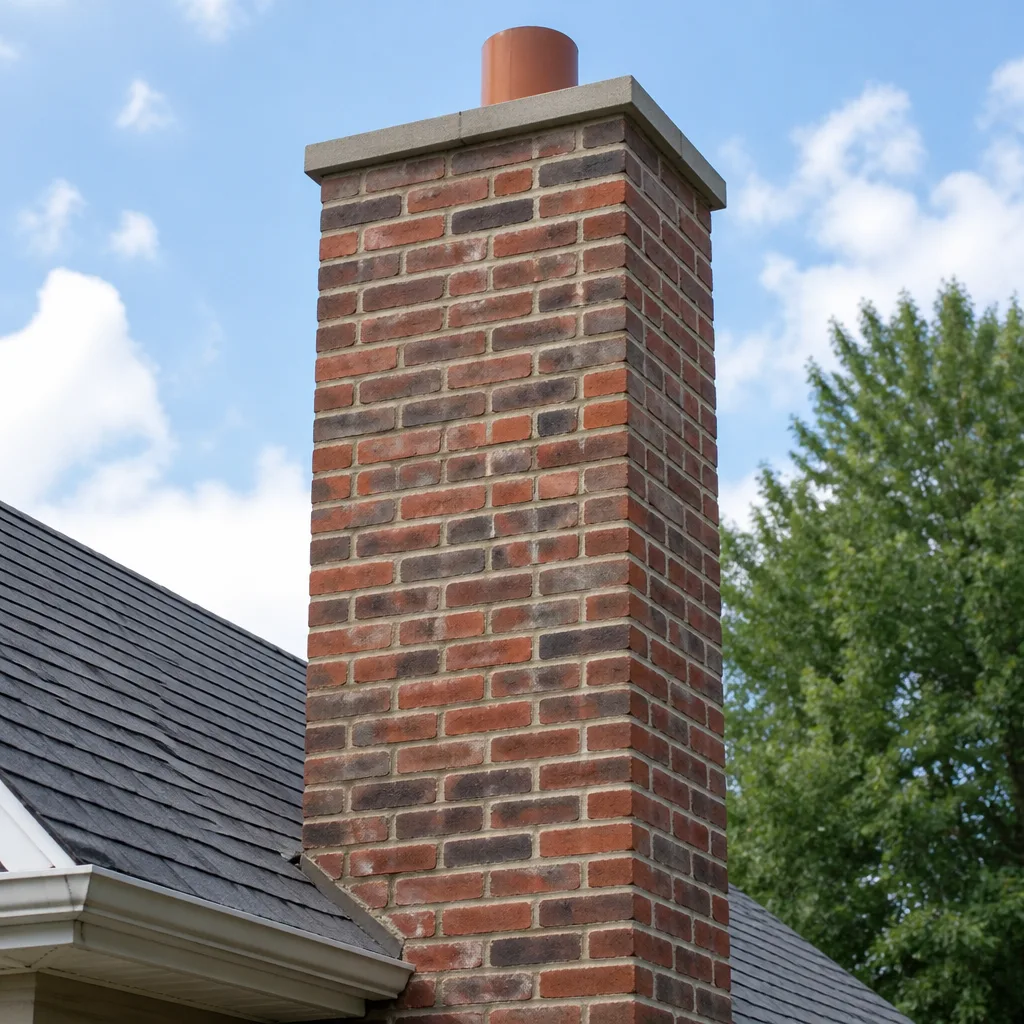 Masonry repair
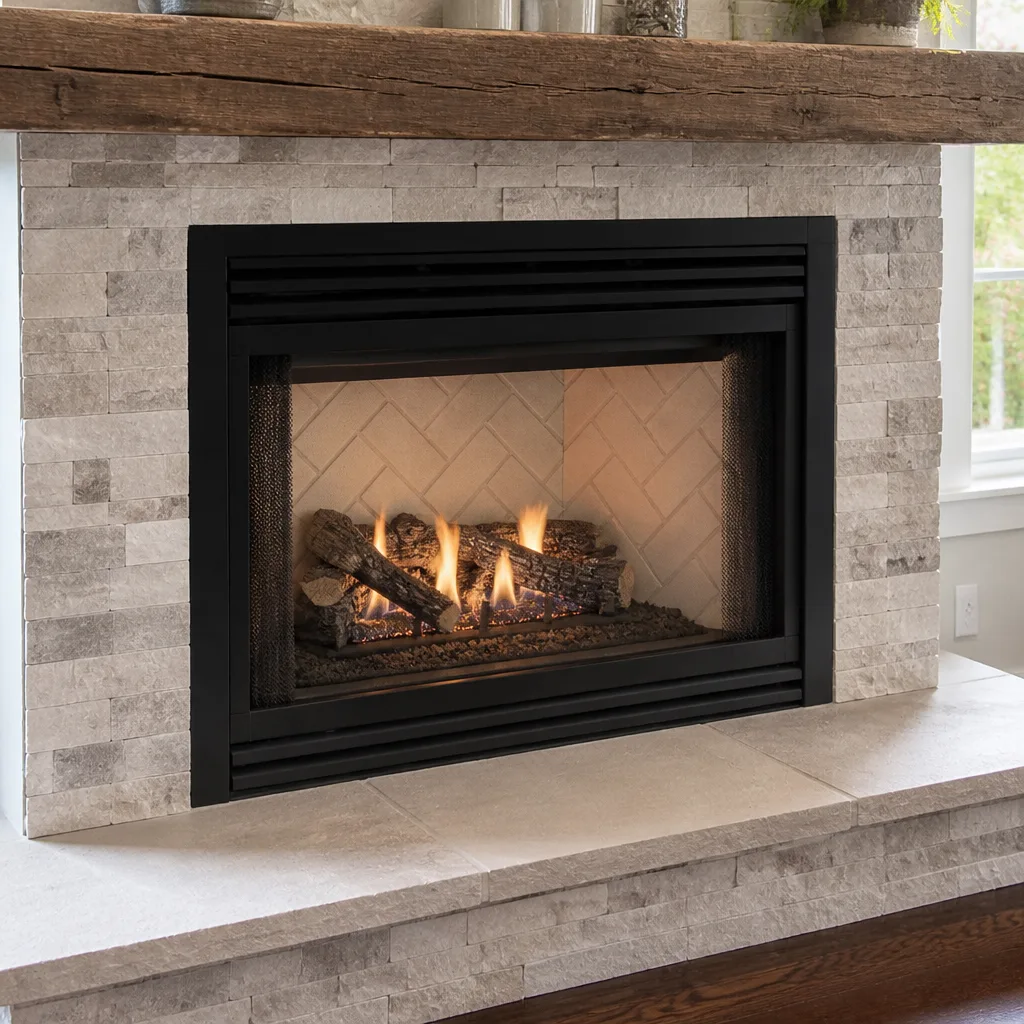 Gas fireplace service
Level 1 sweep and inspection to the NFPA 211 annual standard - flue, crown, cap, and flashing checked and photographed
Chimney sweep logs do not sweep chimneys. They loosen some creosote - which then falls where a brush and vacuum still have to collect it.
Seasonal Chimney Cleaning Care for Stanton: Year-Round Homeowner’s Guide
Most chimney advice you’ll find online was written for places with four distinct seasons, where the first cold snap announces that it’s time to book a sweep. Stanton doesn’t work that way. Our burn window is short, the weather stays mild through most of the year, and a chimney can sit untouched for eight to ten months at a stretch. That long dormancy is the part nobody warns you about. Birds find open flues, moisture works on mortar joints, and spider webs build up where a fire will eventually burn. The care calendar that protects a chimney in Stanton looks nothing like the standard fall-sweep template. This guide lays out what to do, and when, so you’re not learning it the hard way.
Quick Answer
In Stanton, chimney care should follow the local climate, not a national template: sweep and inspect before the burn season (typically late fall), schedule structural or flue repairs in the dry months from May through September when materials cure properly, and check the cap, crown, and damper at least once during the long off-season so birds, moisture, and debris don’t settle in before the next fire. A yearly inspection is the anchor of the whole routine. Everything else is scheduled around it.
Styles & brands we work with
- Sweep & inspection
- Caps & crowns
- Flue relining
- Masonry repair
- Gas fireplace service
Table of Contents
- Why Stanton Needs Its Own Chimney Care Calendar
- The Stanton Month-by-Month Chimney Care Calendar
- What 8+ Months of Flue Dormancy Does to Your Chimney
- Why May Through September Is the Best Window for Chimney Repairs in Stanton
- How Santa Ana Winds Affect Your Chimney Before the First Fire
- The Right Sequence for Reopening a Chimney After Summer
- Inspection vs. Sweep: What’s Actually the Difference?
- Common Mistakes to Avoid
Why Stanton Needs Its Own Chimney Care Calendar
Chimney care advice written for colder parts of the country assumes a long heating season that keeps the flue warm and the draft active for months. In Stanton, an active wood-burning fireplace might see steady use for a handful of weeks, then go quiet. That’s not a minor scheduling detail. It changes which problems are likely and when they develop.
The biggest shift is this: in a cold climate, the burn season keeps a chimney hot and moving air regularly. In Stanton, the chimney spends most of the year cold and still, which is exactly the condition that invites nesting birds, moisture, and debris. A flue that isn’t moving air is a flue that collects things.
That’s why a general U.S. seasonal template falls short here. It tells you to sweep once a year and calls it done. What it doesn’t account for is the eight or nine months of inactivity between fires, when the chimney is most vulnerable to damage that has nothing to do with creosote.
A Stanton-specific calendar looks at the year differently:
- Before the burn season: inspect and sweep so the first fire of the year starts clean and safe.
- During the burn season: burn dry wood, monitor draft, and watch for signs of trouble like smoke rollback or weak draw.
- After the last fire: clean out ash, close the damper properly, and check the cap and crown.
- During the dry months: schedule any repair work while weather is predictable and materials can cure correctly.
This isn’t overkill. It’s just matched to how a chimney actually lives in a warm climate. If you’d rather have one number to hang the whole routine on, start with a chimney sweep before the season begins, and let that visit set the tone for the rest of the year.
The Stanton Month-by-Month Chimney Care Calendar
Here’s a working calendar built for Stanton’s climate. Adjust the exact timing to your own burn habits, but the sequence holds.
January through March (burn season). This is when the fireplace is most active. Keep an eye on draft. If smoke rolls back into the room, if the fire struggles to catch, or if you notice a strong smell when the chimney is cold, those are reasons to call before the season ends.
April (last fire, then close-out). After your final fire of the season, clean out leftover ash and make sure the damper closes fully. Check the firebox for loose brick or cracked mortar.
May through September (repair and prevention window). This is the stretch to schedule any structural work, liner resurfacing, cap and crown replacement, or masonry repair. The weather is dry, mortar cures reliably, and there’s no rain pushing into an open flue. More on why this window matters below.
October (pre-season check). Before the first fire, get a chimney inspection and sweep. This is the most important appointment on the calendar. It catches anything that developed over the dormant months.
November and December (start of the next burn season). Burn dry, seasoned wood. Watch for anything unusual in draft or smell. Book a second look if something seems off.
If you want a simple rule of thumb: inspect before you sweep, sweep before you burn, and repair in the dry months. Everything else is a variation on those three steps.
Homeowners with gas fireplaces should still keep an annual inspection on the schedule. Gas systems don’t build creosote the way wood does, but the venting, termination, and damper seals still need a check, especially after months of sitting idle in Southern California heat. Gas components can degrade quietly, and a fireplace repair visit caught early is far cheaper than a system failure caught late.
What 8+ Months of Flue Dormancy Does to Your Chimney
Dormancy sounds harmless. It isn’t. A chimney that sits unused for most of the year in Stanton goes through a slow series of small changes that add up to real problems. Here’s what’s happening while the fire is out:
- Birds and wildlife. Open flues are shelter. Without a proper cap, birds, squirrels, and other animals find their way in and build nests. A blocked flue is a draft failure waiting to happen, and a nest near the firebox is a combustion hazard.
- Moisture intrusion. Rain finds weak points around the crown and cap. Over months of exposure, moisture degrades mortar joints and can work into the masonry itself. In Stanton, months of dry weather followed by occasional rain makes this a slow, quiet process.
- Damper seals and gaskets. The gaskets and seals around a damper or prefab chimney component aren’t designed for years of heat cycling followed by long cold gaps. They harden, shrink, and lose their seal over time. A damper that doesn’t close tightly lets heat and air escape year-round.
- Prefab component wear. Prefabricated chimney systems in Southern California heat can show wear in the joints and seals after years of thermal expansion and contraction. These systems are built to spec, and any part that fails needs matching replacement components, which is one reason it matters what’s actually installed.
- Creosote and residue. Even a chimney that gets minimal use builds up some creosote and soot. Left sitting for months, that residue hardens further and becomes harder to remove at the next sweep.
- Spider webs and debris. Cobwebs, dust, and loose debris accumulate in a flue that isn’t moving air. They can restrict draft and, in the worst case, become the first thing that ignites.
None of this is dramatic on any single day. But eight or nine months is a long time for small problems to grow. That’s why the pre-season inspection matters so much in Stanton: it’s the point where you find out what happened during the quiet stretch.
Why May Through September Is the Best Window for Chimney Repairs in Stanton
If your chimney needs structural work, a liner job, or cap and crown replacement, the smart money is on scheduling it between May and September. There are three practical reasons:
- Dry weather means predictable cure times. Mortar, crown material, and ceramic resurfacing products need time to cure without being washed out by rain. In the dry months, the repair cures the way it’s supposed to, and the result lasts.
- No rain risk during the job. An open chimney during a repair is a chimney exposed to the weather. Working in the dry months removes that variable entirely.
- You’re not racing the first fire. A repair done in July has time to fully cure and settle before you need to use the fireplace in late fall. A repair done in October is a compressed timeline with real consequences if something needs revisiting.
Summer is also when you can be more deliberate about which repair makes sense. Not every damaged flue needs a full liner replacement. Where the damage is surface-level, we use HeatShield, a ceramic resurfacing system that repairs the flue lining from the inside before you jump to full replacement. That’s the “repair first, replace when necessary” approach, and it only works if you’re not rushed by a burning season that starts in a few weeks.
When a full reline is the right answer, we install DuraFlex stainless-steel flexible liner systems, which are recognized by NFPA standards for relining deteriorated masonry flues. These are professional-grade materials sourced through supply chains like Olympia Chimney and Copperfield, not whatever happens to be sitting on a hardware store shelf.
One important safety note on this kind of work: liner work, flue resurfacing, and structural masonry repairs are not homeowner jobs. The materials involved cure at high temperatures, the work happens in confined spaces, and a failed liner is a serious risk to anyone in the house. This is a trained-professional job every time.
How Santa Ana Winds Affect Your Chimney Before the First Fire
Fall in Stanton brings Santa Ana wind events, and those winds do more to a chimney than most homeowners realize. When high winds blow across a chimney termination, they can push debris down into a flue that’s already been sitting dormant for months. Loose material, leaves, and even nesting material can be driven downward, and the flue that was clear in August may not be in November.
Winds also change pressure inside the system. A gust moving across a chimney can create negative pressure that pulls air (and smoke and combustion gases) back down the flue instead of up and out. If you light the first fire of the season during a windy stretch and the smoke rolls back into the room, that’s not a flue problem in the strict sense; it may be the wind overpowering a marginal draft.
What to do about it:
- Check the termination and cap before the first fire of the season. A proper cap, sourced through a supply partner like Famco, helps keep wind-driven debris out of the flue.
- Light the first fire on a calm day, not in the middle of a wind event. If draft seems weak on a calm day, that’s worth investigating.
- If you notice persistent smoke rollback during windy weather, get the system inspected. The fix may be as simple as a cap or termination adjustment; it may also point to something deeper.
Wind events are the most common pre-season surprise in Stanton. The homeowner who checks the flue after the winds and before the first fire catches the problem at the cheapest possible moment.
The Right Sequence for Reopening a Chimney After Summer
There’s a common and expensive mistake homeowners make after months of dormancy: they sweep first, then inspect. That’s backwards.
The correct sequence is:
- Inspection first. Before any sweeping starts, the technician needs to see the flue as it actually is: cracks, gaps, obstructions, nests, deteriorated mortar, or a damaged cap. An inspection done first documents the real condition, including damage a sweep could complicate or hide.
- Sweep second. Once the inspection establishes what’s there, the sweep cleans the flue safely and completely. Sweeping a damaged flue before you’ve inspected it can mean dislodging material into a system that wasn’t ready for it.
- Repairs as indicated. If the inspection shows damage, repairs are scoped from that evidence, not from guesswork. That’s the order that protects the homeowner’s money.
Why does this matter in Stanton specifically? Because eight or nine months of dormancy is exactly the window in which damage can develop unseen. A sweep that clears the flue looks like success, but it tells you nothing about the condition of the lining, the crown, or the cap. The inspection does.
Reversing the order wastes money in two ways: you may pay for a repair you don’t actually need because a sweep already sent debris through a marginal system, or you may skip a repair you do need because the sweep “looked fine.” Neither outcome serves the homeowner. The inspection-first sequence is the one that produces decisions made on evidence.
Inspection vs. Sweep: What’s Actually the Difference?
An inspection is a condition assessment; a sweep is a cleaning. They serve different purposes, and a complete annual routine includes both.
An inspection looks at the whole chimney system from the firebox up through the flue and out the termination. It checks for cracks in the lining, deterioration in the firebox, damaged mortar, blocked or compromised venting, cap and crown condition, and obstructions. A camera inspection with a photo report shows you what the technician sees, so you’re not relying on a verbal summary. That matters when a repair is being recommended, because you should be able to look at the evidence yourself.
A sweep physically removes soot, creosote, and debris from the flue. It’s a cleaning service, not a diagnostic one, though a good sweep will flag anything unusual noticed during the process.
In a mild climate like Stanton’s, both still belong on the calendar. The dormancy period is the reason. An unused chimney can look clean from the firebox while the top of the flue is blocked or damaged. The chimney repair work that follows a good inspection is often smaller and cheaper than the work that follows a failed first fire.
Our technicians have up to 14 years of experience reading chimney systems in this climate, and they know the difference between “needs repair now,” “needs repair in a planned window,” and “monitor it next year.” A reputable specialist will tell you when a repair can safely wait.
Common Mistakes to Avoid
- Treating the fall sweep as a one-time event. In Stanton, the chimney needs attention before and after the burn season, not just once. A sweep in November catches the burn season; a check in May or June catches the off-season damage.
- Skipping the cap because the flue “looks fine.” An open flue is an invitation to birds and wind-driven debris. The cap is one of the cheapest preventive parts of the whole system, and it’s the one most often missing.
- Waiting until October to schedule structural repairs. Repairs squeezed in right before the burn season don’t have time to cure properly, and you’re at the mercy of whoever has availability. The dry months are the window.
- Assuming a gas fireplace needs no annual attention. Gas systems don’t build creosote like wood, but venting and termination still wear. An annual inspection is still the right routine.
- Cleaning out the firebox in spring and calling it done. Ash cleanup is one small step. The flue, cap, crown, and lining all need a look beyond the firebox.
- Burning unseasoned wood because it’s what’s on hand. Wet wood creates more smoke, more creosote, and a weaker fire. Dry, seasoned wood is the routine choice, every season.
- Ignoring wind-event draft problems. Smoke rollback during Santa Ana winds in Stanton is a signal, not a quirk. Get it checked before it becomes a pattern.
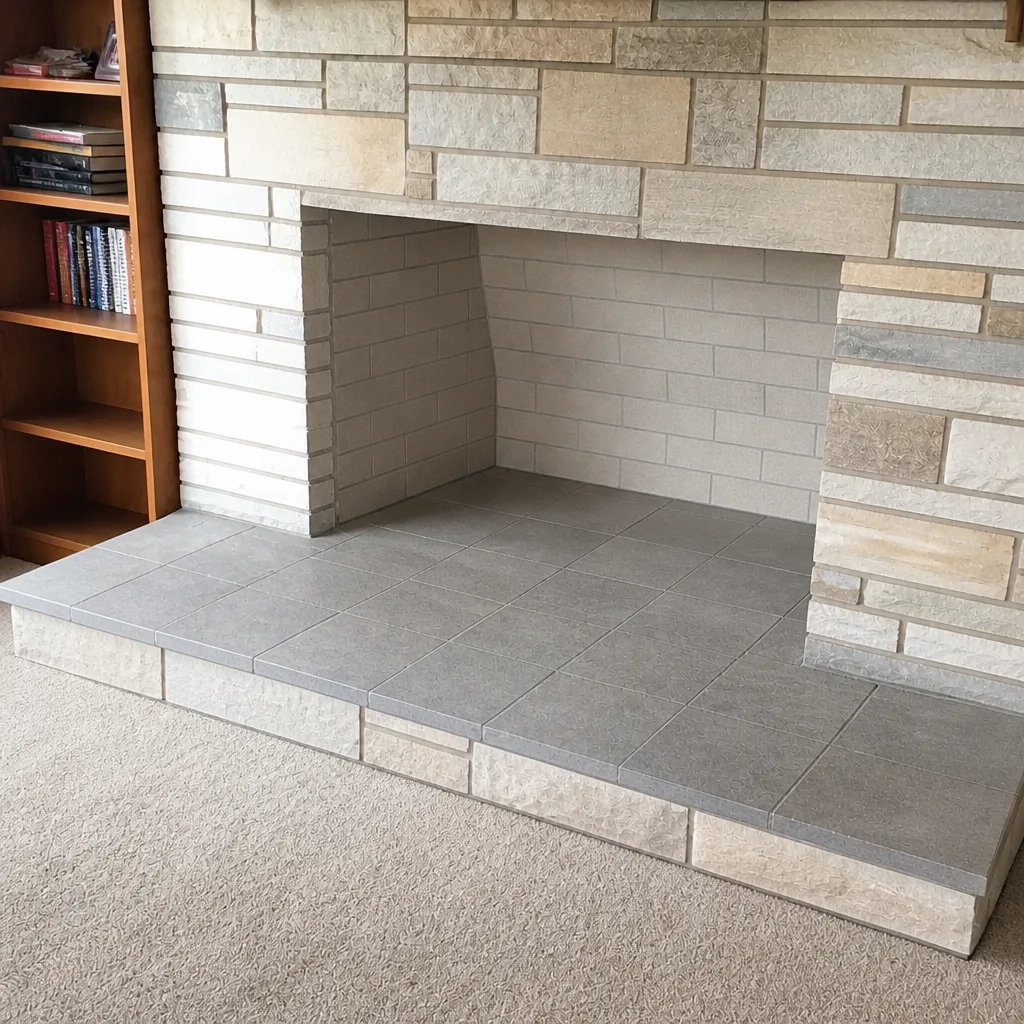
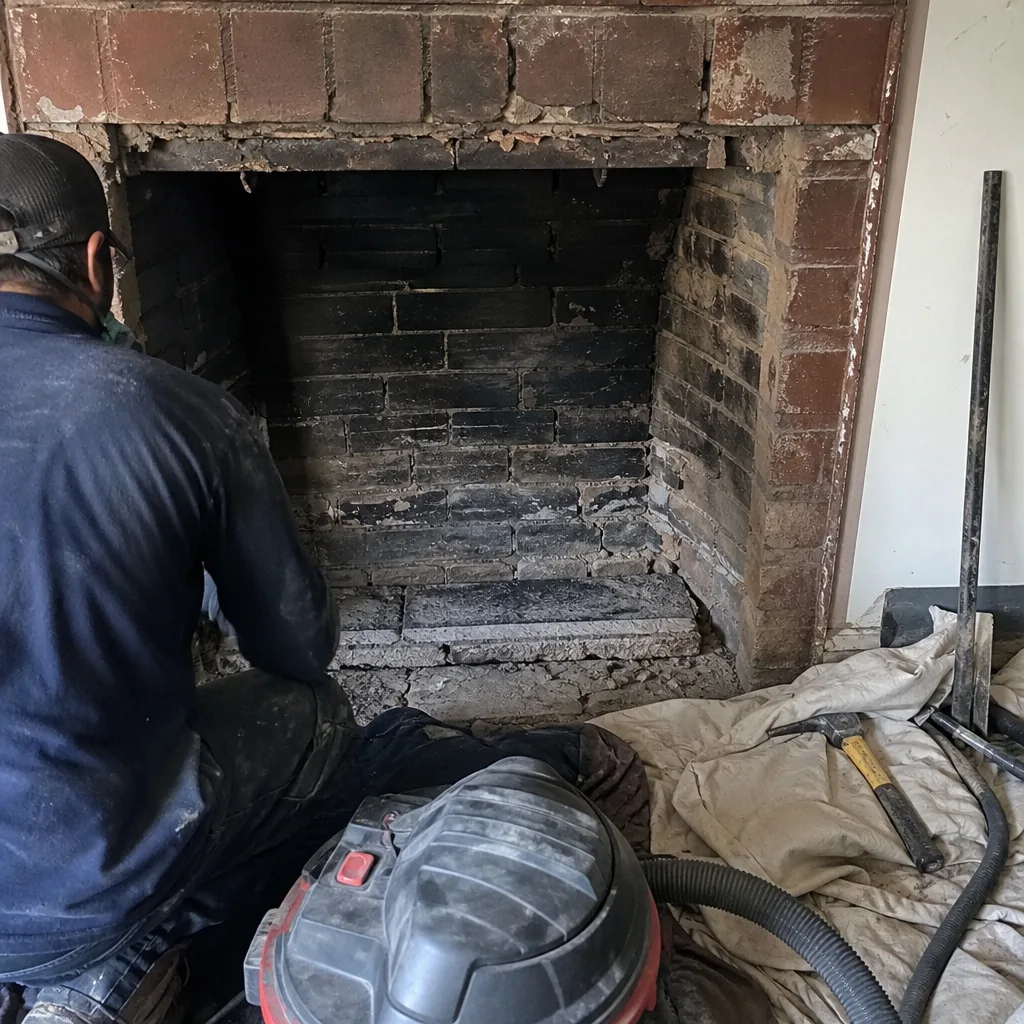
See the difference
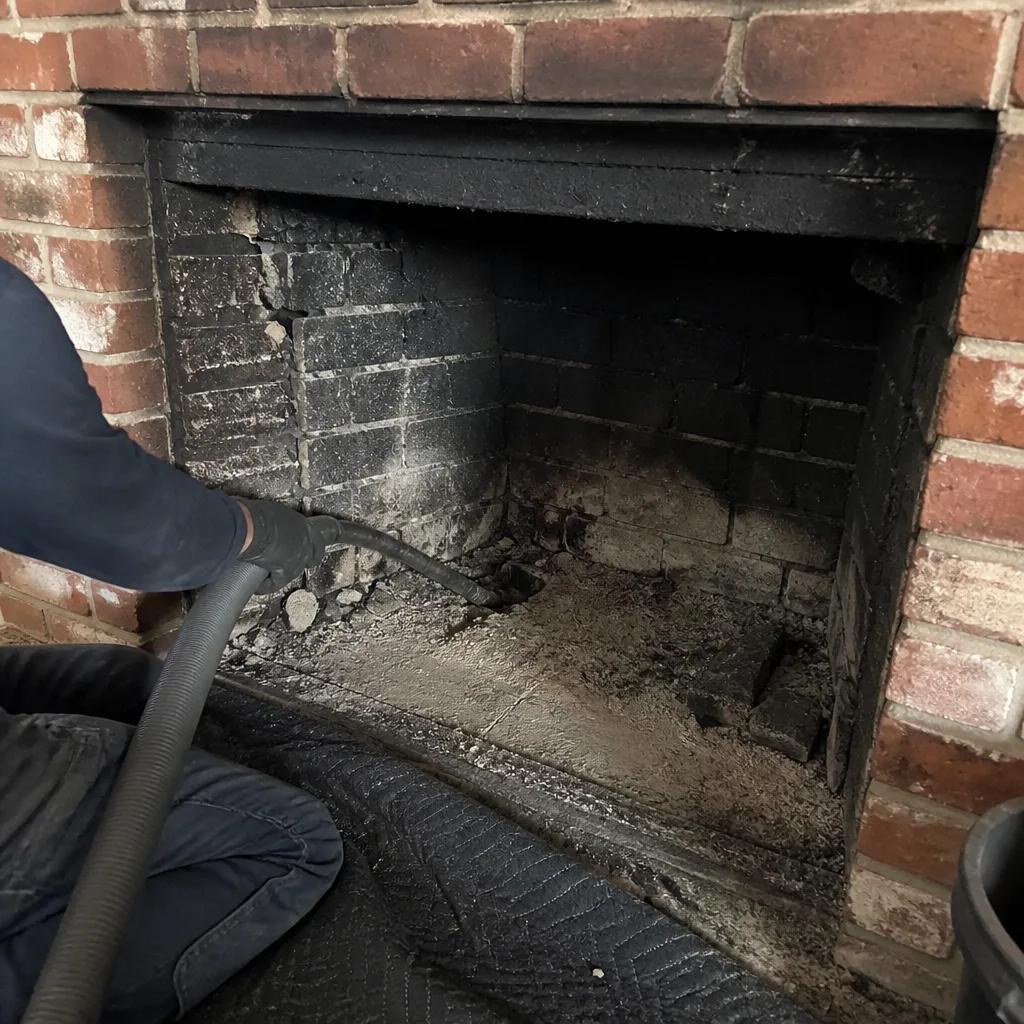 Before
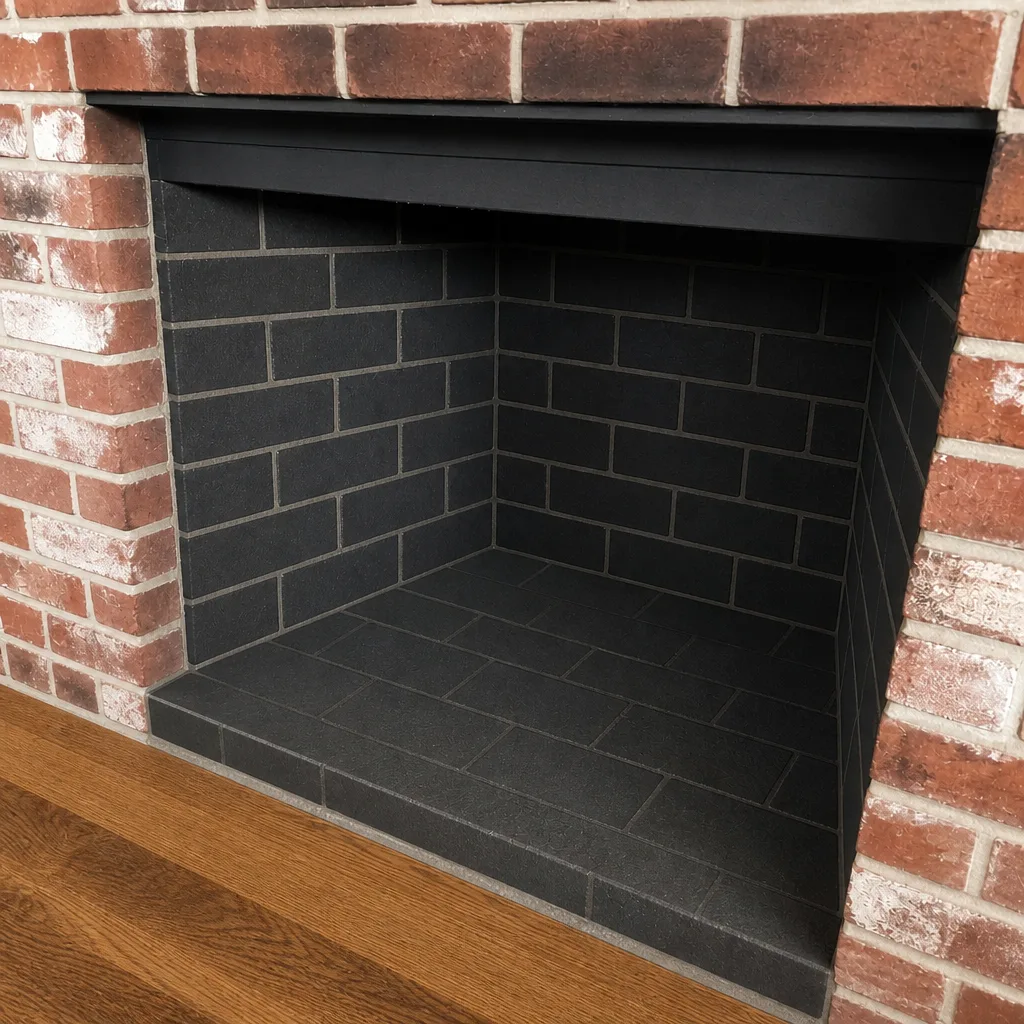 After
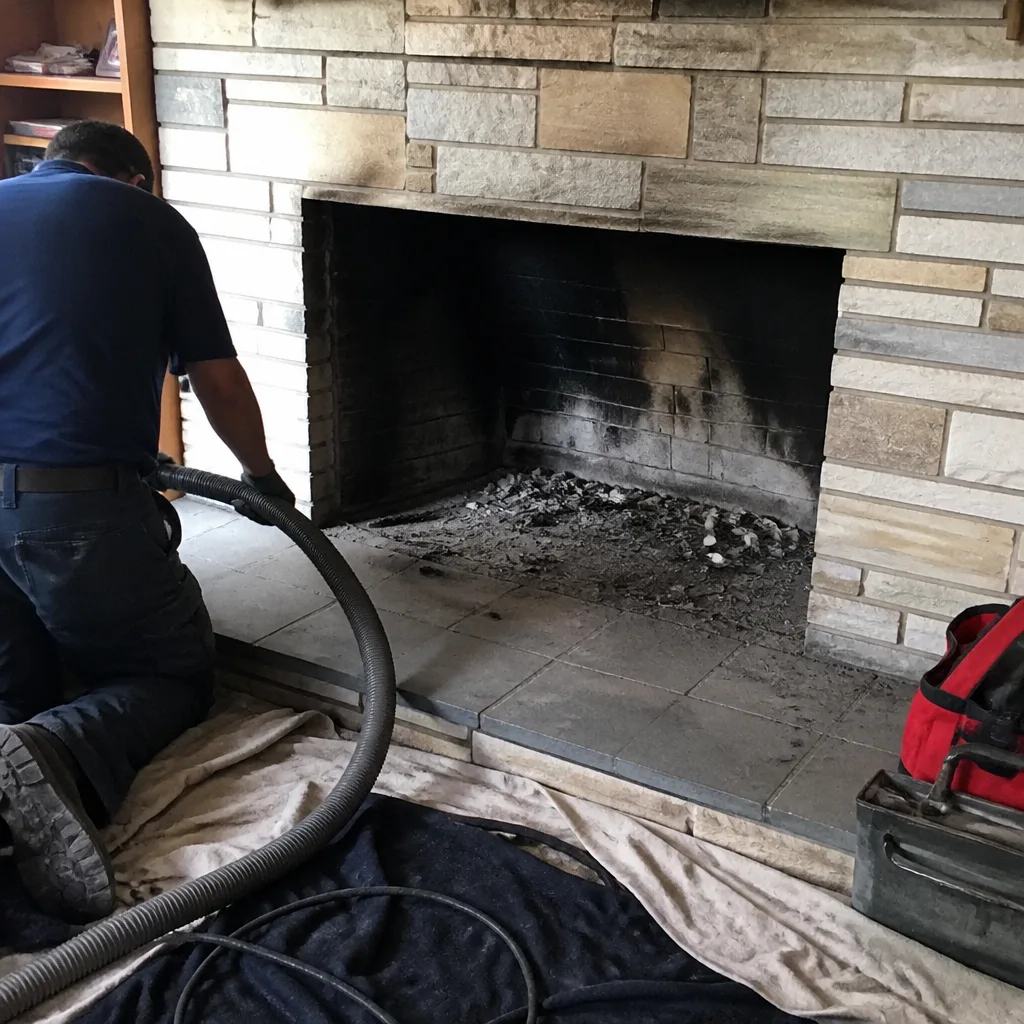 Before
 After
 Before
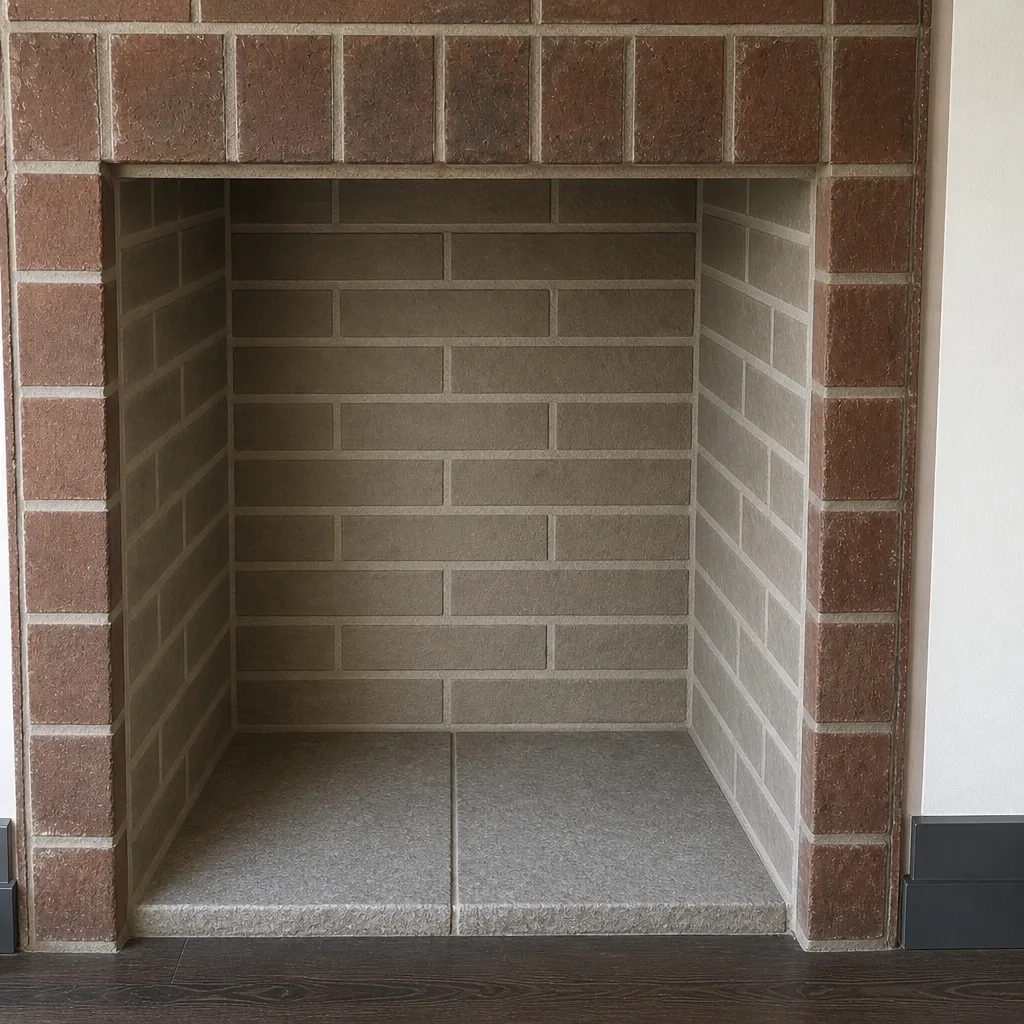 After
When to Call a Professional
Some checks are homeowner territory: looking up the flue, checking that the damper closes, keeping an eye on the cap from ground level. But several scenarios need a trained eye, and it’s better to call sooner than later.
Call a professional if you notice smoke rollback into the room, a strong smell when the chimney is cold, visible cracks or missing mortar in the firebox, water stains on the chimney or ceiling near it, an animal in the flue, or a damper that won’t close. Any of these can signal a problem that a sweep alone won’t fix. Liner work, flue resurfacing, masonry repair, and cap and crown installation are professional jobs, always. The risks to your home and the people in it are real, and the materials need to be installed to spec.
Chimney Sweep Stanton offers free estimates in Stanton. Call (844) 625-7031. We answer 24/7. Fast dispatch from 7am to 7pm, Sunday through Friday. When the estimate is done, the price is set by a written estimate per job before any work begins.
Frequently Asked Questions
Once a year is the standard, usually timed before the burn season, with an inspection each time. Because Stanton’s chimney dormancy is long, the annual pre-season visit does double duty: it sweeps and it catches anything that developed over the quiet months. If your fireplace gets very light use, the sweep may be lighter too, but the inspection still matters. Call (844) 625-7031 to book an inspection and free estimate.
Do I really need an inspection if I barely use my fireplace?
Yes, and light use is exactly why. A fireplace that sits unused for eight or ten months is the one most likely to have a blocked flue from birds or wind-driven debris, a dec